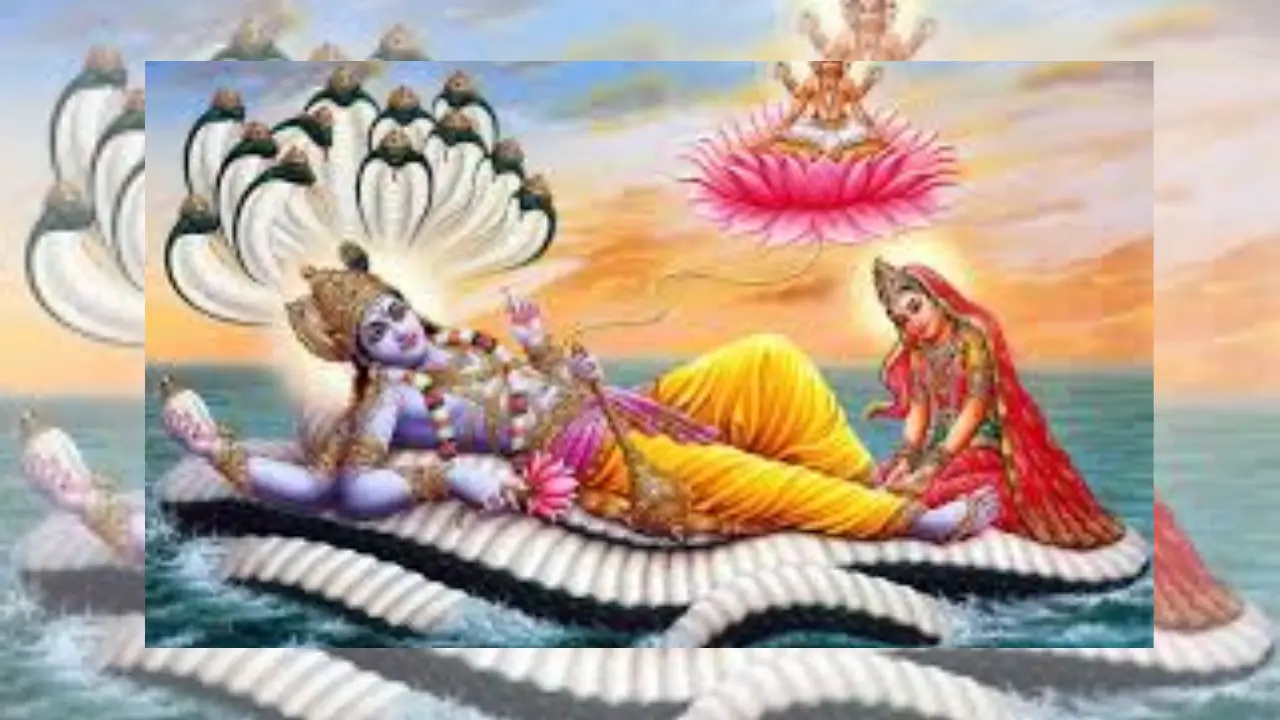
Amalaki Ekadashi, also known as Rangbhari Ekadashi, is an important Hindu fasting day dedicated to Lord Vishnu. It falls during the Shukla Paksha of the Phalguna month and is considered highly auspicious for spiritual growth, purification, and prosperity. Devotees observe a strict fast and worship Lord Vishnu, accompanied by the sacred Amla (Indian gooseberry)tree, which gives this Ekadashi its name.
In 2026, Amalaki Ekadashi will be observed on 27 February (Friday).
This Ekadashi is also known as Rangbhari Ekadashi because it comes just before Holi and marks the beginning of festive celebrations in many parts of India.
Amalaki Ekadashi 2026 Date and Timings
Date: 27 February 2026 (Friday)
Paksha: Shukla Paksha
Month: Phalguna
Important Timings (Approximate)
- Ekadashi Tithi Begins: Early morning on 27 February
- Ekadashi Tithi Ends: Next day morning
- Parana (Fast Breaking): 28 February 2026 after sunrise
Devotees should break the fast during the Dwadashi Parana time, which is considered spiritually beneficial.
Why It Is Called Amalaki Ekadashi
The word Amalaki refers to the Amla fruit (Indian gooseberry). According to Hindu tradition, the Amla tree is considered sacred and associated with Lord Vishnu.
On this day:
- Devotees worship the Amla tree
- Offer water and flowers
- Circumambulate the tree
- Pray for health and prosperity
Amla is believed to symbolize purity, longevity, and divine energy.
Why It Is Called Rangbhari Ekadashi
This Ekadashi is also called Rangbhari Ekadashi because it marks the beginning of Holi festivities in many regions, especially in North India.
After this Ekadashi:
- Holi celebrations begin
- Temples organize special programs
- Devotees sing devotional songs
- Colors and joy fill the atmosphere
It represents the arrival of spring and happiness.
Religious Significance of Amalaki Ekadashi
Amalaki Ekadashi is mentioned in ancient Hindu scriptures. Observing this fast is believed to remove sins and bring spiritual progress.
Spiritual Benefits
- Cleanses past karmas
- Brings peace and prosperity
- Improves health and longevity
- Strengthens devotion to Lord Vishnu
- Helps attain salvation (moksha)
It is believed that fasting on this day gives the same merit as performing many religious rituals.
Story of Amalaki Ekadashi (Vrat Katha)
According to traditional belief, there once lived a righteous king who ruled his kingdom with honesty and devotion. The king and his people regularly observed Ekadashi fasts and worshipped Lord Vishnu.
One year, on Amalaki Ekadashi, the king organized a grand worship ceremony near an Amla tree. Devotees gathered and prayed throughout the night.
A hunter who was passing by watched the worship and stayed there unknowingly. He did not eat anything that night and listened to devotional prayers.
Because of this accidental fasting and devotion:
- His sins were destroyed
- He attained a better life in his next birth
- Eventually, he gained spiritual liberation
The story teaches that even unintentional devotion to Amalaki Ekadashi brings blessings.
Amalaki Ekadashi Vrat Vidhi (Fasting Method)
Step 1: Morning Preparation
- Wake up early during Brahma Muhurta
- Take a bath and wear clean clothes
- Clean the house and the prayer area
- Take a vow (Sankalp) for fasting
Step 2: Vishnu Puja
- Place an idol or picture of Lord Vishnu
- Offer flowers and Tulsi leaves
- Light a diya
- Offer fruits and sweets
- Recite Vishnu mantras
Common Mantra:
“Om Namo Bhagavate Vasudevaya”
Step 3: Amla Tree Worship
If an Amla tree is available:
- Offer water to the tree
- Apply sandalwood paste
- Offer flowers
- Light incense
- Walk around the tree 7 times
If a tree is not available, devotees can worship Amla fruit at home.
Step 4: Fasting Rules
Devotees may observe:
Nirjala Fast
- No food and water
Phalahar Fast
- Fruits and milk are allowed
Simple Fast
- One satvik meal without grains
Foods Allowed:
- Fruits
- Milk
- Nuts
- Sabudana
- Potatoes
- Rock salt
Foods to Avoid:
- Rice
- Wheat
- Lentils
- Onion and garlic
- Non-vegetarian food
Night Vigil (Jagran)
Many devotees stay awake at night and:
- Sing bhajans
- Read Vishnu stories
- Chant mantras
- Perform kirtan
Night vigil is considered highly auspicious.
Parana – Breaking the Fast
The fast should be broken on Dwadashi (February 28, 2026), after sunrise.
Rules:
- Offer food to Lord Vishnu first
- Eat satvik food
- Avoid overeating
Breaking the fast at the right time is important for receiving full benefits.
Importance of Amla on Amalaki Ekadashi
Amla is considered a sacred fruit in Hindu tradition.
Health Benefits of Amla
- Boosts immunity
- Improves digestion
- Strengthens hair
- Purifies blood
- Rich in Vitamin C
Religious traditions combine spiritual and health benefits through Amla worship.
Who Should Observe Amalaki Ekadashi
This Ekadashi is suitable for:
- Devotees of Lord Vishnu
- People seeking peace
- People with financial difficulties
- Spiritual seekers
- Families wishing for prosperity
Even partial fasting is considered beneficial.
Do’s and Don’ts on Amalaki Ekadashi
Do’s
- Worship Lord Vishnu
- Chant Vishnu mantras
- Donate food and clothes
- Help poor people
- Maintain purity
Don’ts
- Do not eat grains
- Avoid anger
- Avoid lies
- Avoid negative thoughts
- Avoid violence
Amalaki Ekadashi (Rangbhari Ekadashi) is a sacred day dedicated to Lord Vishnu and the holy Amla tree. Observing this fast with devotion brings spiritual purification, good health, and prosperity. The festival also marks the joyful arrival of Holi and the spring season.
By observing Amalaki Ekadashi with sincerity, devotees believe they receive divine blessings and move closer to spiritual growth.