


The Supreme Court of India has sharply criticised the West Bengal administration after a serious breakdown in law and order.
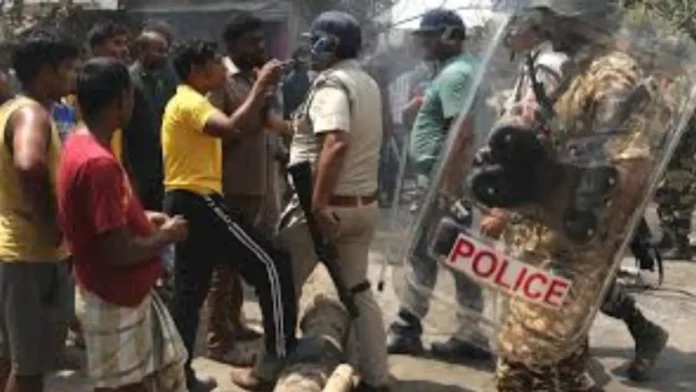
The issue revolves around a shocking incident. Judicial officers were gheraoed by a mob while on official duty in Maldah district. The situation escalated quickly. Yet, the response from the administration came late.
This delay has now raised serious concerns. It is not just about one incident. It is about the safety of the judiciary and the accountability of the state machinery.
What Happened in Maldah: A Timeline of Events
The incident took place in the Kaliachowk area. Around 3:30 PM, a group of judicial officers reached a BDO office for work related to electoral roll revision.
Soon after, anti-social elements surrounded them. The officers, including women, remained trapped for hours.
Despite urgent communication from the High Court, immediate action did not follow. Relief came only around 8:30 PM.
This delay became the central issue. The judiciary expected swift intervention. Instead, it witnessed what it later described as “inertia.”
Communication Breakdown: A Critical Failure
One of the most serious observations made by the Court relates to communication failure.
The Chief Justice of the Calcutta High Court reportedly could not reach the Chief Secretary during the crisis.
The reason is striking. The Chief Secretary had not shared a mobile number with WhatsApp access.
In today’s digital governance framework, this gap appears glaring. When time is critical, even small lapses can lead to major consequences.
The Court expressed deep disappointment. It clearly indicated that such a breakdown is unacceptable at the highest level of administration.
“Highly Deplorable”: Court Questions Top Officials
The Court did not hold back. It used strong language to describe the conduct of senior officials.
Those under scrutiny include:
- Chief Secretary
- Home Secretary
- Director General of Police
- District Collector
- Superintendent of Police
According to the Court, these officials failed to act despite being informed early.
The bench stressed that immediate steps should have been taken. This includes informing the Election Commission and deploying central forces if needed.
The message is clear. Administrative responsibility cannot be delayed in crisis situations.
Legal Context: Why This Case Matters
This case goes beyond a local law and order issue. It touches on constitutional principles.
Judicial officers represent the rule of law. Any threat to them becomes a threat to the justice system itself.
The Court took suo motu cognisance. This means it acted on its own, recognising the seriousness of the issue.
Such intervention reflects the judiciary’s role as a guardian of institutional integrity.
Election Commission Angle and Administrative Changes
The incident comes amid recent administrative reshuffles.
The Election Commission of India had earlier replaced key state officials, including the Chief Secretary and DGP.
This adds another layer to the situation. During the hearing, state representatives argued that these officials were appointed by the Election Commission.
However, the Court focused on accountability, not administrative technicalities.
Regardless of who appointed them, the responsibility to act remained intact.
Judicial Safety: A Growing Concern
This incident highlights a broader issue. The safety of judicial officers is becoming a matter of concern.
Judges often work in sensitive environments. They handle elections, disputes, and criminal matters.
Any failure to protect them can weaken public trust.
The Court’s strong reaction signals a warning. It aims to ensure that such incidents do not repeat.
What Happens Next?
The Court has directed the concerned officials to explain their actions. They must appear virtually in the next hearing.
This step indicates that accountability will be enforced.
Possible outcomes include:
- Administrative action against officials
- New protocols for judicial safety
- Stronger coordination between institutions
The case may also set a precedent for handling similar situations in the future.
Conclusion
The Maldah incident is not just a local crisis. It reflects deeper challenges in governance and coordination.
The Supreme Court’s intervention has brought urgency to the issue. It has also sent a clear message.
Administrative delays in critical moments are unacceptable. Judicial safety cannot be compromised.
As the case moves forward, it will shape how institutions respond to crises. More importantly, it will define the standards of accountability in India’s governance system.

