


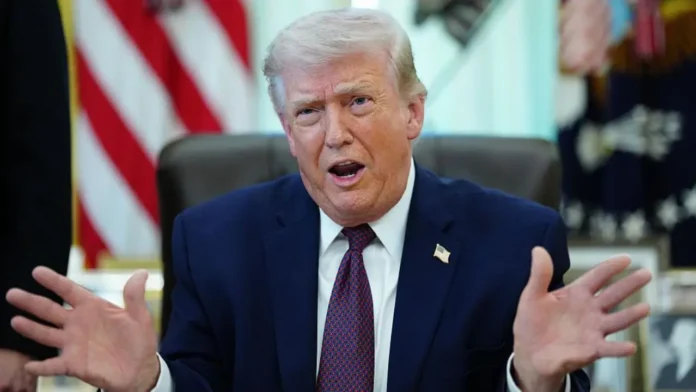
When Donald Trump warned that a “whole civilization could die,” the statement did more than create headlines. It triggered global concern. It raised moral questions. It also exposed how fragile the current geopolitical situation has become. The remark came during rising tensions between the United States and Iran. At the center of this crisis lies one strategic chokepoint—the Strait of Hormuz.
Why the Strait of Hormuz Matters So Much
The Strait of Hormuz is not just a narrow waterway. It is one of the most critical النفط (oil) routes in the world. A large portion of the global oil supply passes through it every day. If this route closes, the impact spreads instantly.
Key Implications
- Oil prices can spike within hours
- Global trade routes face disruption
- Energy-dependent economies feel immediate pressure
This explains why the United States reacted strongly when Iran signaled restrictions around the strait.
What Exactly Did Trump Threaten?
Trump’s message went beyond a standard military warning. He spoke about:
- Destroying infrastructure like bridges and power plants
- Forcing Iran to comply within a strict deadline
- Suggesting the possibility of regime change
However, the most controversial part was his reference to wiping out a civilization. This language changed the nature of the conversation. It shifted focus from military action to existential threat.
Why the “Civilization” Remark Triggered Global Alarm
The word “civilization” carries deep meaning. It includes:
- People and communities
- Cultural heritage
- Historical identity
Iran represents one of the oldest continuous civilizations in the world. Therefore, such a statement does not sound like a tactical threat. It sounds absolute. That is why many analysts reacted strongly.
Domestic Reaction in the United States
Interestingly, criticism did not come only from political opponents. It also emerged from within Trump’s broader support base.
Key Reactions
- Some analysts called the statement reckless
- Others warned about long-term damage to US credibility
- A few voices even raised constitutional concerns about leadership stability
This internal divide shows that the issue goes beyond party politics.
Fear of Escalation: Nuclear Speculation
The situation became more serious when discussions around “unused military tools” surfaced. Even without direct confirmation, such language creates fear.
Why? Because:
- Nuclear weapons remain the ultimate escalation point
- Even indirect hints increase global anxiety
- Markets and governments react to uncertainty, not just action
As a result, speculation alone can destabilize the global environment.
The Iran Perspective: Resistance, Not Retreat
On the other side, Iran showed little sign of backing down. Its leadership did not accept external pressure easily. This response reflects a long-standing pattern.
Iran’s position often includes:
- Resistance to foreign intervention
- Assertion of regional influence
- Strategic patience under pressure
This makes quick resolution unlikely.
The Bigger Picture: More Than Just Two Countries
This crisis is not limited to the US and Iran. It has wider implications.
Global Impact
- Oil-importing nations face economic risks
- Allies may get pulled into conflict
- International institutions struggle to respond effectively
In simple terms, a regional conflict can quickly become global.
A Shift in Political Language
Another important aspect is the tone of communication. Political language has become sharper. It has also become more public due to social media.
Earlier:
- Diplomacy happened behind closed doors
Now:
- Statements go directly to the public
- Reactions spread instantly
- Pressure builds faster
This shift increases both speed and risk in global politics.
What This Means for the Future
The current situation highlights a deeper issue. The world is entering a phase where:
- Strategic competition is intensifying
- Diplomatic restraint is weakening
- Public messaging influences real decisions
If such trends continue, crises may become harder to control.
Conclusion: A Moment That Demands Caution
Trump’s statement may have been intended as pressure. However, its impact goes far beyond strategy. Words matter in geopolitics. They shape perception. They influence reactions. They can even trigger unintended consequences.
At this moment, the world stands at a sensitive point. One decision, or even one sentence, can shift the balance. That is why careful diplomacy is no longer optional. It is essential.

