


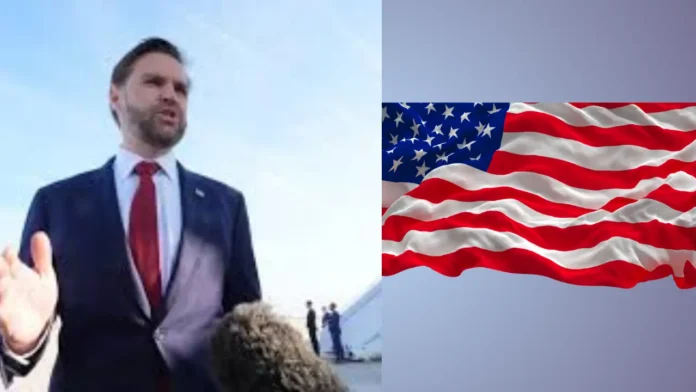
A high-stakes diplomatic effort between the United States and Iran has ended without a breakthrough.
After 21 hours of intense negotiations in Islamabad, both sides walked away without an agreement. Yet, the outcome is not a complete collapse. Instead, it signals a fragile pause in a long and complex conflict.
The bigger question now is simple but critical: what happens next?
Inside the 21-Hour Marathon Talks
The negotiations lasted nearly an entire day. Delegations worked through the night in a tightly secured environment.
The US team was led by JD Vance. Meanwhile, Iran’s side included senior political leadership. Pakistan acted as mediator, trying to bridge deep divides.
Even more striking, Donald Trump remained closely involved. Reports suggest that Vance spoke to him multiple times during the talks.
Despite this level of engagement, no final agreement emerged.
Why the Talks Failed
1. The Nuclear Dispute Remains Central
At the heart of the conflict lies Iran’s nuclear programme.
The US demanded a clear commitment that Iran would not develop nuclear weapons. It also pushed for restrictions on tools that could enable rapid weaponisation.
Iran, however, maintained its position. It insists on its right to enrich uranium. This fundamental disagreement created a deadlock.
2. Deep Distrust Between Both Sides
This conflict is not new. It spans more than four decades.
Both countries entered the talks with suspicion. Each side doubted the other’s intentions. As a result, even small compromises became difficult.
Trust, which is essential for diplomacy, remained missing.
3. Strait of Hormuz Tensions
Another major issue is the Strait of Hormuz.
Iran has not agreed to fully reopen this crucial route. This strait carries a large share of the world’s oil supply.
Any disruption here creates an immediate global economic shock. Rising oil prices and supply fears have already started affecting markets.
4. War-Time Positioning and Pressure
Both sides came into the talks believing they held the advantage.
This mindset reduced flexibility. Neither side wanted to appear weak.
At the same time, the ongoing conflict created urgency. Yet, urgency alone was not enough to close the gap.
What Each Side Said After the Talks
The US described the outcome as disappointing but not final.
JD Vance stated that the US had made its “final and best offer.” He stressed that the core goal remains preventing Iran from acquiring nuclear weapons.
On the other hand, Iran criticised what it called excessive and unreasonable demands. Its leadership made it clear that trust had not been established.
Interestingly, both sides left the door open for future talks.
The Role of Pakistan
Pakistan played a key mediating role.
Its leadership urged both sides to maintain the fragile ceasefire. It also signaled willingness to continue facilitating dialogue.
This mediation highlights Pakistan’s growing diplomatic relevance in regional and global conflicts.
What Happens to the Ceasefire?
The talks were linked to a temporary two-week ceasefire. This pause had reduced immediate fears of escalation.
Now, its future remains uncertain.
If negotiations resume, the ceasefire may hold. However, if tensions rise again, the region could slip back into conflict.
What Happens Next?
1. Continued Negotiations Are Likely
Despite the failure, backchannel discussions may continue. Both sides understand the cost of prolonged conflict.
2. Risk of Escalation Remains
If diplomacy stalls, military action could return. The presence of unresolved issues makes this risk real.
3. Global Economic Impact Will Grow
Oil markets remain sensitive. Any instability in the Strait of Hormuz can affect fuel prices worldwide, including countries like India.
4. A Long Road to Agreement
History shows that such deals take time. The 2015 nuclear agreement took months of negotiation.
This means a quick resolution is unlikely.
Conclusion
The failure of the Islamabad talks does not mark the end of diplomacy. Instead, it reflects the complexity of the US-Iran conflict.
Deep mistrust, strategic interests, and global stakes make any agreement difficult. Yet, the willingness to talk—even without results—offers a small sign of hope.
For now, the world watches closely. The next move from both Washington and Tehran will shape not just regional stability, but the global order itself.

