


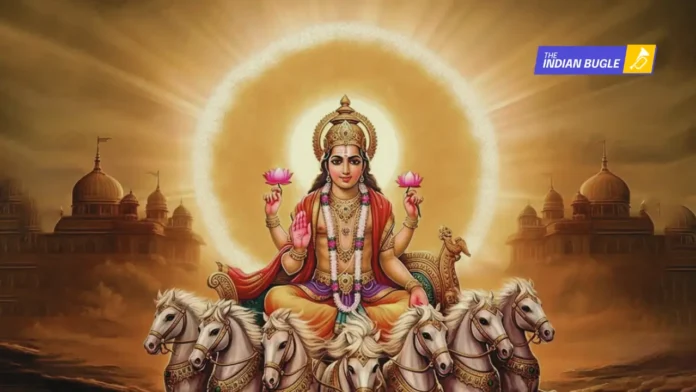
Kharmas is a significant period in the Hindu calendar that influences religious practices, social customs, and auspicious timings across many parts of India. Every year, during Kharmas, Hindus traditionally refrain from major life events such as weddings, housewarmings, and business beginnings. But what exactly is Kharmas, and why is it considered inauspicious by many?
Understanding Kharmas in Hindu Belief
Kharmas is the time when the Sun (Surya) transits into certain zodiac signs that are considered astrologically unfavorable for worldly activities. This period occurs twice every year based on the solar calendar.
When the Sun enters Sagittarius (Dhanu Rashi), the period is known as Dhanurmas, and when it enters Pisces (Meena Rashi), it is referred to as Meenamas. Each phase lasts for approximately one month.
In most years, Dhanurmas falls between mid-December and mid-January, while Meenamas occurs between mid-March and mid-April.
When Does Kharmas Start? Important Dates
Kharmas begins on the day of Sankranti, when the Sun changes its zodiac sign. Since this is based on the solar calendar, the dates remain almost the same every year.
The main Kharmas (Dhanur Kharmas) starts on 16 December (Dhanu Sankranti) and end on 14 January (Makara Sankranti). This is the most widely observed Kharmas period in India.
The second Kharmas (Meena Kharmas) begins on 14 March (Meena Sankranti) and concludes on 13 April (Mesha Sankranti).
Makara Sankranti marks the end of inauspiciousness and the return of favorable timings for marriages and new ventures.
Why Is Kharmas Considered Inauspicious?
In Hindu astrology, the Sun symbolizes energy, authority, growth, confidence, and auspicious momentum. During Kharmas, it is believed that the Sun’s strength diminishes due to its zodiac placement. This weakened position is thought to affect new beginnings and material success negatively.
Kharmas is also viewed as a natural pause in material life. Instead of celebrations and outward expansion, the period is associated with restraint, reflection, and inner growth. Traditional beliefs state that during this time, divine energies shift inward, making it unsuitable for ceremonial milestones but highly favorable for spiritual discipline.
Because of these beliefs, most Hindu communities avoid conducting major samskaras during Kharmas.
Activities Traditionally Avoided During Kharmas
Across North and Central India, Kharmas is generally avoided for important life events. Weddings, engagements, griha pravesh ceremonies, mundan, naming rituals, and the launch of new businesses are usually postponed until the period ends.
This practice is rooted more in astrological custom than fear, emphasizing timing rather than superstition.
What Is Encouraged During Kharmas?
While Kharmas may be inauspicious for material beginnings, it is considered highly auspicious for spiritual practices. Many devotees observe fasts, perform charity, chant mantras, and increase prayer during this time.
Vaishnav traditions, in particular, attach deep spiritual value to Dhanurmas, encouraging devotion to Lord Vishnu and Surya. Temples witness increased participation, and spiritual discipline is believed to yield greater merit during this phase.
Why Is Kharmas Viewed Differently Across India?
Interestingly, Kharmas is not considered inauspicious everywhere. In North India, social ceremonies largely come to a halt. However, in South India, especially in Tamil Nadu, the same period coincides with the sacred Margazhi month, which is considered extremely auspicious for devotion, temple worship, and religious observances.
This contrast highlights an important aspect of Hindu tradition: astrology governs material life, while bhakti governs spiritual life. What is avoided in one context may be celebrated in another.
Kharmas in Simple Words
Kharmas is not considered inauspicious because it brings misfortune, but because Hindu tradition treats it as a spiritual interlude—a time to slow down worldly pursuits and focus on inner growth, discipline, and devotion.
It serves as a reminder that every phase of life has its purpose, and sometimes, pausing is just as important as progressing.

