


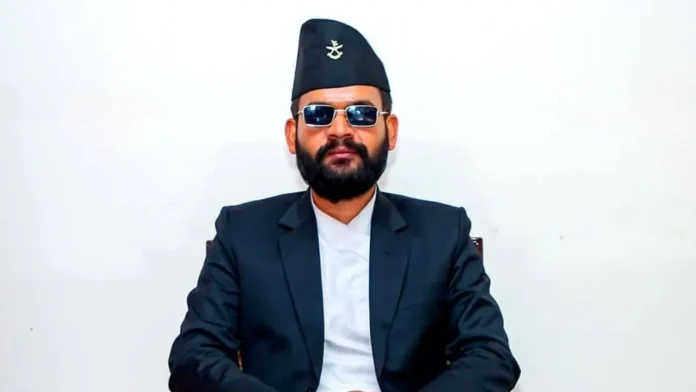
The rise of Balendra Shah as the Prime Minister of Nepal marks a defining moment in South Asian politics. His journey is unconventional. It reflects a deeper transformation in how leadership emerges in modern democracies.
Early Life and Unconventional Background
Balendra Shah did not begin his career in politics. He first gained recognition as a rapper. His music often addressed corruption, inequality, and everyday struggles. These themes later shaped his political identity.
At the same time, he pursued a professional career as a structural engineer. This technical background influenced his practical approach to governance. He focused on solutions rather than rhetoric.
This mix of art and engineering gave him a unique public image. People saw him as both expressive and analytical.
Entry into Politics and Rise to Popularity
His political journey began when he contested and won the election for Mayor of Kathmandu. This victory surprised many. It showed that voters were ready to move beyond traditional political figures.
As mayor, he focused on civic discipline, transparency, and urban reforms. His direct communication style helped him connect with citizens, especially the youth.
Gradually, his popularity expanded beyond the capital. He became a national figure representing change and accountability.
The Political Turning Point
Nepal experienced a period of political instability before his rise to power. Public frustration grew due to unemployment, governance issues, and lack of accountability.
At the same time, youth-led movements demanded reforms and transparency. These developments created space for new leadership.
Balendra Shah emerged as the face of this demand. His message aligned with public expectations. As a result, his political platform gained strong support, leading to a decisive electoral victory.
Becoming Prime Minister
Following the elections, he assumed office as Prime Minister in March 2026. At just 35, he became one of the youngest leaders in Nepal’s history.
His appointment carries symbolic importance. It reflects a shift away from legacy-driven politics toward leadership based on public trust and performance.
Leadership Style and Governance Approach
Balendra Shah’s leadership style stands out for its clarity and focus. He avoids unnecessary complexity. Instead, he emphasises results and accountability.
His governance approach includes:
- Promoting transparency in administration
- Reducing corruption
- Streamlining government processes
- Encouraging youth participation
He also supports efficient decision-making through lean administrative structures. This approach aims to make governance faster and more responsive.
Economic Vision and Reform Priorities
Nepal faces structural economic challenges. These include unemployment, dependence on remittances, and limited industrial growth.
Balendra Shah has prioritised:
- Job creation within the country
- Support for entrepreneurship
- Efficient public spending
- Infrastructure development
These reforms require sustained effort. Economic transformation takes time, and results may not appear immediately.
Challenges Ahead
Despite strong public support, his leadership faces several challenges.
Political resistance remains significant. Established parties continue to hold influence.
Economic constraints also limit policy execution. High youth migration reflects limited domestic opportunities.
At the same time, public expectations are high. People expect quick and visible results. Meeting these expectations will test his leadership.
Regional and Global Significance
Nepal holds strategic importance in South Asia. It shares close ties with India and maintains growing engagement with China.
Balendra Shah’s leadership will influence regional relations, trade dynamics, and diplomatic balance. Maintaining a stable and balanced foreign policy will be essential.
A Generational Shift in Politics
The rise of Balendra Shah represents a generational shift. Young voters are now actively shaping political outcomes.
They demand transparency, accountability, and measurable results. This shift challenges traditional political systems and opens space for reform-oriented leadership.
Conclusion
Balendra Shah’s journey from a non-traditional background to the Prime Minister’s office reflects a powerful change in Nepal’s political landscape. His leadership represents the aspirations of a new generation.
However, the real test lies in governance. Delivering reforms, managing expectations, and maintaining stability will define his success.
Nepal now stands at an important moment. The decisions taken today will shape its future for years to come.

