


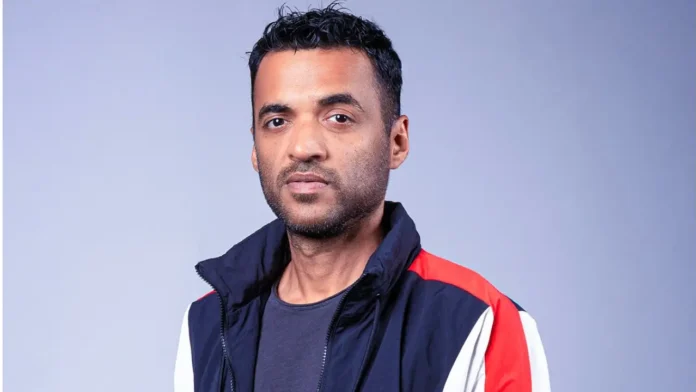
When Deepinder Goyal announced he would step down as CEO of Eternal, it surprised many. Eternal sits at the heart of India’s consumer internet story. It owns Zomato, Blinkit, and several emerging bets. Naturally, questions followed. Why now? Why step aside when the company shows stability? The answer lies less in crisis and more in clarity.
Understanding Eternal’s evolution
Eternal has changed shape over the years. It moved from a single food-tech platform to a multi-business group. As a listed company, it now answers to shareholders, regulators, and markets. That shift demands discipline, predictability, and relentless operational focus. Over time, the CEO role became less about invention and more about execution.
The core reason: choosing freedom over structure
Goyal made a personal and strategic choice. He wants to spend more time on bold, experimental ideas. These ideas involve higher risk and longer timelines. However, public companies do not reward uncertainty. They require steady outcomes. As a result, Goyal felt the CEO role no longer matched how he wanted to spend his creative energy.
Goyal did not walk away from the company he built. He chose to remain involved as vice-chairman. This role allows him to shape long-term vision without managing daily operations. It also ensures continuity. The move reflects transition, not disengagement.
The logic behind the new CEO’s choice
Eternal appointed Albinder Dhindsa as the new CEO. Dhindsa brings deep operational strength. He built Blinkit through intense competition and tight margins. His leadership style suits a phase where execution matters more than experimentation. In short, Eternal chose a builder for scale.
What this means for Zomato
Zomato’s food delivery business has reached maturity. Growth now depends on efficiency, margins, and customer retention. The leadership change does not disrupt this path. Instead, it reinforces it. Existing teams continue to run operations, while group-level decisions focus on sharper capital use.
Blinkit now plays a critical role in Eternal’s future. Quick commerce demands speed, discipline, and cost control. With Dhindsa at the helm of the group, Blinkit’s operating model gains more influence over overall strategy. This signals where Eternal sees its next growth engine.
Markets usually fear founder exits. In this case, the reaction stayed measured. The reason is simple. The founder remains on the board. The successor understands the business deeply. Governance appears planned, not rushed. That combination reduces uncertainty.
Risks that still need watching
Every leadership shift carries risk. Culture may evolve. Decision-making may centralise differently. Also, Goyal’s external projects could raise questions if they overlap with Eternal’s interests. Strong board oversight will matter. Transparency will matter even more.
Founders grow with their companies. At some point, their interests diverge from daily management. Goyal’s move reflects that moment. He chose curiosity over routine. He chose long-term creativity over quarterly discipline. Many founders reach this stage. Few make the transition cleanly.
What stakeholders should do next
Employees should align with execution goals and clearer metrics. Investors should track Blinkit’s path to sustained profitability. Partners should expect continuity, not disruption. Observers should watch how Eternal balances innovation with control.
The bottom line
Deepinder Goyal stepping down as Eternal CEO marks a strategic reset, not a retreat. It separates vision from execution. It places operators in charge while keeping the founder close. If managed well, this shift can strengthen Eternal’s next phase. The outcome now depends less on intent and more on delivery.

