


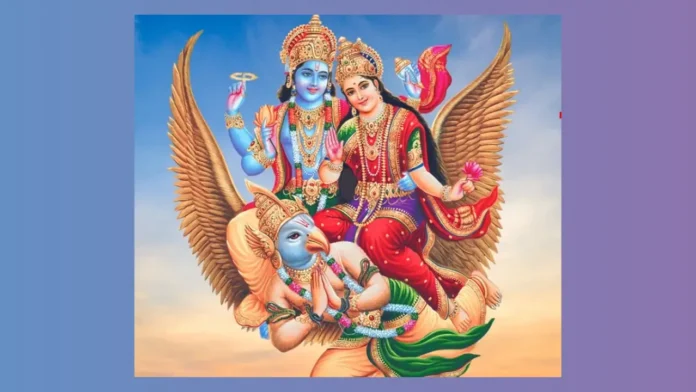
Ekadashi, the eleventh day of the lunar cycle, holds deep importance in Hindu tradition. It is a day dedicated to discipline, fasting, and devotion to Lord Vishnu. People follow specific food rules, and one of the most common is to avoid rice.
At first, this may seem like a simple ritual. However, when you look closely, you find a thoughtful blend of mythology, spirituality, and practical health logic. This article explains why this tradition exists and why it remains relevant today.
What Is Ekadashi and Why Fasting Matters
Ekadashi comes twice every month according to the lunar calendar. It is not just about skipping meals. Instead, it focuses on:
- Self-discipline
- Mental clarity
- Spiritual growth
Fasting helps reduce distractions. As a result, people can focus more on prayer, reflection, and inner balance.
Mythological Reason: Why Rice Is Forbidden
The Belief That “Sins Reside in Rice”
Ancient beliefs suggest that negative energies take shelter in rice on Ekadashi. For this reason, eating rice is avoided on this day.
This idea is symbolic. It reminds people to stay away from impurities—both physical and mental. By avoiding rice, devotees express a commitment to purity and self-control.
A Deeper Symbolic Story
Another traditional belief holds that negative forces are allowed to reside in rice, specifically on Ekadashi. This story is not meant to be taken literally. Instead, it teaches an important lesson:
Even ordinary habits can affect spiritual progress. Therefore, conscious choices matter.
Avoiding rice becomes a way to practice awareness and discipline.
Rice as a Sacred Element
In many traditions, rice represents life and nourishment. It is considered sacred. However, on Ekadashi, the goal shifts from nourishment to purification.
So, people temporarily step away from it. This shift reflects a deeper spiritual intention—choosing simplicity over indulgence.
Spiritual Logic: Why Rice Doesn’t Fit Ekadashi
Rice Feels Heavy on the Body
In traditional food philosophy, rice is considered slightly heavy, especially during fasting.
It can:
- Make the body feel sluggish
- Reduce alertness
On a day meant for prayer and meditation, people prefer light foods that support clarity.
Fasting Is About Mental Control
Ekadashi encourages control over the senses. Heavy foods can make this difficult.
When the body feels light, the mind becomes more focused. Therefore, avoiding rice supports the larger goal of spiritual discipline.
Scientific Explanation Behind Avoiding Rice
Now, let’s understand the logic from a modern perspective.
Rice Affects Energy Levels
Rice contains a high amount of carbohydrates. It digests quickly and can cause:
- A sudden spike in energy
- Followed by a drop
This often leads to tiredness or lack of focus. Avoiding rice helps maintain steady energy throughout the day.
Digestive System Gets a Break
Fasting allows the body to rest from constant digestion.
When people avoid grains like rice:
- The digestive system relaxes
- The body can focus on repair and cleansing
This improves overall well-being.
Connection with Lunar Cycles
Ekadashi falls on a specific lunar phase. The human body contains a large amount of water, and lunar cycles can influence it.
Heavy, water-rich foods like rice may disturb this balance. On the other hand, lighter foods help maintain stability in both body and mind.
Traditional Digestive Wisdom
In earlier times, people observed that certain foods caused discomfort when eaten during fasting days. Rice, in particular, could feel heavy or lead to bloating.
Over time, this observation became part of tradition.
Where Mythology and Science Meet
Interestingly, both perspectives point in the same direction.
- Mythology speaks of avoiding impurity
- Science explains reduced digestive load
- Spirituality focuses on mental clarity
All three emphasize one idea—lightness leads to better awareness.
What Should You Eat Instead
Instead of rice, people choose simple and light foods such as:
- Fruits
- Milk and yogurt
- Nuts and seeds
- Sabudana (tapioca)
- Flours like kuttu or singhara
These foods provide energy without making the body feel heavy.
Conclusion
Avoiding rice on Ekadashi is not just a ritual. It is a thoughtful practice shaped by tradition, observation, and experience.
It helps:
- Cleanse the body
- Calm the mind
- Build discipline
In essence, Ekadashi teaches us to pause, simplify, and reconnect with ourselves. The rule of avoiding rice is simply one step in that larger journey.

