


Cars don’t talk — their seats do.
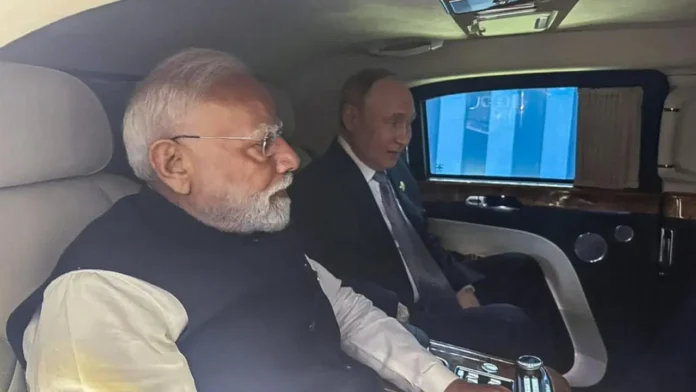
When world leaders travel together, where they sit is never accidental. Cameras click faster than cars move, and even the smallest gesture becomes a global signal. Recently, when Vladimir Putin sat beside PM Modi on the right side during their shared car ride, it wasn’t just a seating choice — it was a message. Strong, silent, and strategic.
Let’s break down why the right rear seat is special, why it made headlines, and what history, etiquette, and security reveal about it.
The Right Rear Seat: Not Just a Seat — It’s a Stage
In the world of diplomatic travel, the back-seat placement reflects power, respect and protocol. Traditionally, the rear right seat (behind the front passenger) is recognized as the “Seat of Honour.”
Why this seat is special:
- Visible to cameras while exiting
- Positioned for easy movement during ceremonies
- Symbolically a notch higher than the left side
- Often reserved for the principal VIP
So when Putin voluntarily sat beside Modi instead of taking the prime seat, it turned into a subtle yet powerful moment in international diplomacy.
A gesture worth watching. And worth decoding.
Modi-Putin Car Moment: A Silent Diplomatic Message
World leaders don’t always speak through speeches — sometimes they speak through order of steps, placements, and yes, even where they sit.
In that car:
- Modi occupied the “honour side.”
- Putin took the adjacent seat
- The meaning was clear — mutual respect, equality, and warmth
It wasn’t about protocol-breaking. It was about message making.
The optics told the world:
Two leaders. One frame. No hierarchy overshadowing friendship.
Security Perspective: Safety Matters As Much As Symbolism
Apart from protocol, security experts also have seat preferences. For high-profile personalities, the safest seat is often considered to be:
Behind the front passenger
Why?
- Bodyguards in the front can better shield the VIP
- Easier emergency extraction from the curb side
- Safer angle during on-road threats
- Doors open away from traffic
Armoured convoys follow strict movement drills. The seating arrangement is designed to ensure protection, quick evacuation, and controlled exit. In such setups, symbolism and safety often align perfectly.
The Diplomatic Language of Car Etiquette
In global politics, gestures are currency.
A handshake, who walks first, who sits where — everything communicates.
Car seating has its own diplomatic grammar:
| Position | Meaning |
|---|---|
| Rear Right | Seat of honour / Senior-most guest |
| Rear Left | Secondary but still VIP |
| Centre Seat | Close associate/share equal space |
| Front Passenger | Bodyguard/Advisor/Protocol Officer |
Putin choosing the seat beside Modi instead of the prestige seat conveyed:
Partnership > Protocol
Camaraderie > Formal Distance
In international relations, the smallest moves often speak the loudest.
What do We Learn From This?
Whether in politics or personal life — seating tells stories.
- Giving a seat shows respect
- Choosing a seat shows confidence
- Sharing a seat shows equality
- And refusing a seat can make headlines
Even in your car, when you offer the comfortable side to someone, you communicate honor, value, and welcome. Leaders just do it on a globally televised scale.
Conclusion
Putin, sitting on the right side in Modi’s car, wasn’t just a moment — it was diplomacy on wheels. A small change in seat position turned into a huge narrative of trust, partnership, and mutual regard. The right side wasn’t just a seat — it became a symbol.
Sometimes power isn’t spoken.
Sometimes it simply sits.

