


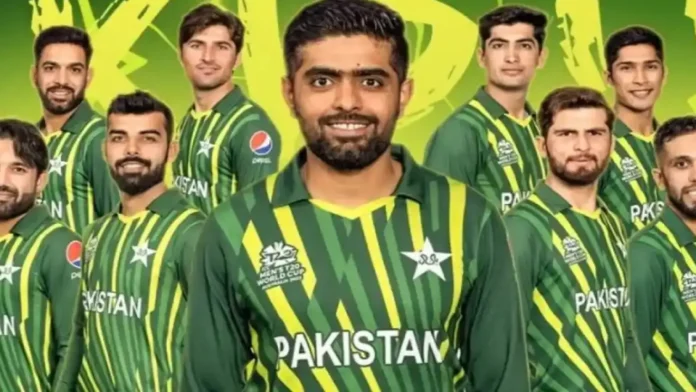
The uncertainty surrounding Pakistan’s participation in the India vs Pakistan fixture at the ICC Men’s T20 World Cup 2026 has pushed the tournament into uncharted territory, with administrators preparing for outcomes that range from a walkover to severe financial and reputational consequences.
According to developments tracked across the cricketing establishment, Pakistan has clearance to play the World Cup but not the marquee match against India—an unprecedented situation that threatens the competitive balance and commercial engine of the event.
India to Follow Protocol; Walkover on the Table
Officials familiar with the process say India will adhere strictly to ICC protocol. The team is expected to travel to the venue, train, attend media duties, and present itself for the toss. If Pakistan fails to appear at the toss, match officials would be compelled to award a walkover to India, handing them two points while leaving Pakistan empty-handed and denting its Net Run Rate—a critical factor in group qualification.
A second, far less likely outcome exists only if both captains fail to attend the toss, in which case points could be shared. However, with India confirming its readiness to play, this scenario is considered improbable.
ICC Pushes for Resolution
The International Cricket Council is understood to be engaged in intensive consultations to salvage the fixture. Administrators view a reversal as the best-case outcome for all stakeholders—fans, broadcasters, sponsors, and member boards—given the match’s outsized importance to the tournament.
The ₹4,500-Crore Match
Financially, the stakes could not be higher. An India–Pakistan T20 World Cup game is widely valued at around USD 500 million (₹4,500 crore) when broadcast premiums, advertising, sponsorships, ticketing, and ancillary activity are combined. Advertising alone is estimated to generate ₹250–300 crore. Any cancellation would immediately depress tournament valuations and invite rebate claims from rights holders, shrinking the central revenue pool.
That contraction would not stop at the top. Reduced ICC distributions ripple across the membership, hitting smaller boards that depend heavily on shared income.
PCB Faces the Heaviest Risk
For the Pakistan Cricket Board, the risks are acute. A voluntary refusal to play—distinct from force-majeure events—can trigger penalties, withheld payments, and potential commercial claims. Over time, the reputational damage may prove even costlier, with Pakistan fixtures perceived as higher risk by broadcasters and sponsors, depressing future valuations.
India, by contrast, would absorb losses more comfortably given diversified revenue streams, though the sport as a whole would suffer.
Fans and Fairness
Beyond balance sheets, fans stand to lose the tournament’s most anticipated contest. Thousands plan travel and purchases specifically for this rivalry; a no-show would translate into sunk costs and eroded trust. On the field, any administrative outcome—walkover or abandonment—raises questions about fairness in a tightly contested group.
What Happens Next
Administrators are working the phones, but timelines are tight. If Pakistan does not reverse course, officials will execute the rulebook. The immediate consequence could be a walkover; the longer-term impact could reshape how the game prices risk, schedules marquee fixtures, and enforces participation obligations.
Bottom line: this is no longer just a bilateral dispute. It is a stress test for the global cricket economy—one where the bill, competitive distortions, and credibility costs could linger long after the World Cup ends.

