


Indian festivals often follow the rhythm of nature. They reflect changes in seasons, lifestyle, and food habits. Satuani is one such festival that quietly marks an important transition.
Celebrated every year on 14 April, it signals the arrival of intense summer in regions like Bihar, Jharkhand, and eastern Uttar Pradesh. Instead of grand celebrations, people focus on food, health, and balance with nature. That is what makes Satuani both simple and deeply meaningful.
What is Satuani?
Satuani, also known as Satuaan, is a traditional seasonal festival linked to agriculture and climate. It marks the beginning of summer and the solar transition into Aries, a moment that holds importance in the traditional calendar.
This day also coincides with other regional New Year celebrations across India, which further highlights its significance.
At its core, Satuani is about:
- Accepting seasonal change
- Adjusting daily habits
- Living in harmony with nature
Why Satuani is Celebrated
Satuani is rooted in practical wisdom. As temperatures rise, the body needs cooling and easily digestible food. Traditional communities understood this well and built a festival around it.
The celebration reflects:
- The shift from mild to extreme heat
- The need to stay hydrated
- The importance of seasonal nutrition
It also marks a subtle transition in agricultural life, where routines begin to adjust according to weather conditions.
The Role of Sattu: More Than Just Food
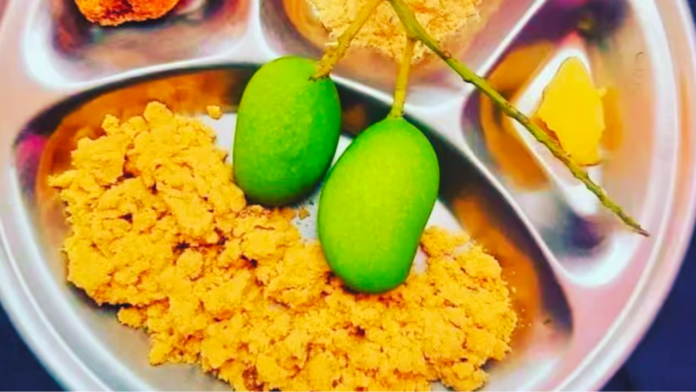
The word “Satuani” comes from sattu, a flour made from roasted gram or grains. On this day, sattu becomes the centre of the meal.
People prefer it because:
- It cools the body naturally
- It provides quick energy
- It is light and easy to digest
Common foods prepared include:
- Sattu drink mixed with water, salt, and lemon
- Litti stuffed with sattu
- Raw mango chutney, onion, and jaggery
These foods are not random choices. They match the body’s needs during hot weather.
Rituals and Traditions
Satuani follows simple rituals that focus on purity and gratitude.
People usually:
- Take an early morning bath, often in rivers or ponds
- Offer sattu and water to the deities
- Donate food items like sattu and jaggery
- Eat light and cooling meals
In many homes, heavy cooking is avoided. The idea is to keep things simple and aligned with the season.
Connection with Nature and Science
Satuani reflects traditional knowledge that connects food with climate.
The foods consumed during the festival:
- Help reduce body heat
- Support digestion
- Maintain hydration levels
Even small practices, like offering water, reflect respect for nature. This shows that such festivals were designed with both cultural and practical thinking.
Cultural Importance in Bihar
In Bihar, Satuani is more than a seasonal marker. It is part of everyday cultural identity.
It represents:
- A connection to rural traditions
- Respect for natural cycles
- Preservation of local food habits
Families come together, share simple meals, and follow age-old customs. The celebration may be quiet, but its meaning runs deep.
A Festival of Simplicity
Satuani stands apart from modern, high-energy celebrations. It does not rely on decoration or display.
Instead, it focuses on:
- What you eat
- How you live
- How you respond to nature
This simplicity makes it powerful. It reminds people that small, mindful practices can have lasting impact.
Satuani is more than just a regional festival. It is a guide to seasonal living.
It teaches how to adapt to changing weather. It highlights the importance of traditional food like sattu. And it encourages a balanced lifestyle rooted in nature.
In a fast-moving world, Satuani quietly reminds us to slow down, eat wisely, and stay connected to our roots.

