


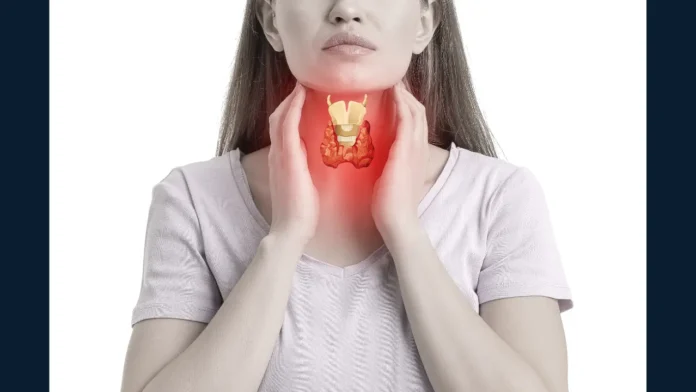
Every year, millions of women struggle with constant fatigue, sudden weight gain, anxiety, hair fall, irregular periods, and mood swings without knowing the real reason behind it. Many blame stress, lifestyle, work pressure, or lack of sleep. However, in countless cases, the real problem sits quietly in the neck — the thyroid gland.
On World Thyroid Day 2026, health experts once again draw attention to a troubling reality: women face thyroid disorders far more often than men. In fact, nearly 68% of thyroid patients worldwide are women.
This is not a coincidence. A woman’s body experiences repeated hormonal changes throughout life. These changes directly affect thyroid function. At the same time, women are also more vulnerable to autoimmune diseases, which remain one of the biggest causes of thyroid disorders globally.
Although thyroid diseases are highly treatable, delayed diagnosis continues to harm millions of women every year.
Understanding the Thyroid Gland
The thyroid is a small butterfly-shaped gland located at the front of the neck, just below the Adam’s apple. Despite its tiny size, it controls several critical functions in the body.
The gland produces two major hormones — thyroxine (T4) and triiodothyronine (T3). These hormones regulate metabolism, energy levels, body temperature, heart rate, fertility, mood, digestion, and brain function.
When the thyroid produces too little hormone, the condition becomes hypothyroidism. When it produces too much hormone, it leads to hyperthyroidism.
Even a slight imbalance can affect the entire body.
Why Women Are More Vulnerable
Women face thyroid disorders because of a complex interaction between hormones, immunity, pregnancy, nutrition, and genetics.
Hormonal Changes Disrupt Thyroid Balance
Unlike men, women go through multiple hormonal transitions during different stages of life. Puberty, menstruation, pregnancy, childbirth, and menopause constantly shift hormone levels inside the body.
These hormonal fluctuations affect the thyroid gland directly.
For example, estrogen influences thyroid hormone metabolism. During pregnancy, the thyroid works harder because the growing baby also depends on the mother’s thyroid hormones during early development.
As a result, women often experience thyroid imbalance during or after pregnancy.
Autoimmune Disorders Affect Women More
One of the biggest reasons behind the high number of thyroid cases in women is autoimmunity.
In autoimmune thyroid diseases, the immune system mistakenly attacks the thyroid gland.
The two most common autoimmune thyroid disorders are:
- Hashimoto’s thyroiditis
- Graves’ disease
Hashimoto’s disease usually causes hypothyroidism, while Graves’ disease triggers hyperthyroidism.
Women naturally have stronger immune responses than men. While this helps fight infections, it also increases the risk of autoimmune attacks.
That is why women develop autoimmune thyroid disorders far more frequently.
Pregnancy Creates Additional Thyroid Stress
Pregnancy places enormous pressure on the thyroid gland.
The body needs more thyroid hormones to support the baby’s brain and nervous system development. If hormone levels become abnormal, complications may appear for both mother and child.
Untreated thyroid disorders during pregnancy may increase the risk of:
- Miscarriage
- Premature birth
- High blood pressure
- Low birth weight
- Developmental delays in babies
Many women discover thyroid disorders for the first time during prenatal check-ups.
Even after childbirth, some women develop postpartum thyroiditis. This condition may initially cause hyperthyroidism, followed by hypothyroidism.
Unfortunately, many mothers ignore the symptoms because they assume exhaustion and mood swings are part of normal motherhood.
Symptoms Often Go Unnoticed
One of the biggest challenges with thyroid disorders is that symptoms appear slowly.
Women often dismiss the warning signs as stress or lifestyle problems.
For instance, fatigue may seem normal after long working hours. Weight gain may feel connected to a poor diet. Mood swings may appear linked to hormonal cycles.
As a result, thyroid disorders remain undiagnosed for years.
Common Symptoms Women Should Never Ignore
Symptoms of Hypothyroidism
- Constant tiredness
- Weight gain
- Hair thinning
- Dry skin
- Feeling cold all the time
- Depression or low mood
- Brain fog
- Slow heartbeat
- Irregular or heavy periods
- Fertility problems
Symptoms of Hyperthyroidism
- Sudden weight loss
- Anxiety and irritability
- Rapid heartbeat
- Excessive sweating
- Hand tremors
- Difficulty sleeping
- Increased hunger
- Frequent bowel movements
- Irregular periods
Women who experience multiple symptoms together should not ignore them.
A simple thyroid test can provide answers.
The India Story: A Growing Health Crisis
India carries one of the world’s largest thyroid disease burdens.
Experts estimate that nearly 4.2 crore Indians live with thyroid disorders. Yet many remain undiagnosed.
Hypothyroidism appears especially common among Indian women between the ages of 18 and 35.
Several factors contribute to this rise:
- Iodine deficiency
- Stressful lifestyles
- Poor nutrition
- Sedentary habits
- Delayed health check-ups
- Family history
In many regions, people still fail to consume enough iodised salt. This increases the risk of goitre and other thyroid problems.
At the same time, vitamin D deficiency and iron deficiency — both common among Indian women — also affect thyroid health.
The Dangerous Link Between Thyroid Disorders and Mental Health
Thyroid disorders do not affect only the body. They also influence mental health deeply.
Women with hypothyroidism often struggle with:
- Depression
- Low motivation
- Memory issues
- Slow thinking
- Emotional numbness
Meanwhile, hyperthyroidism may trigger:
- Panic attacks
- Anxiety
- Restlessness
- Mood instability
Sadly, many women receive treatment for stress or depression without thyroid testing.
This delays proper treatment.
Why Early Diagnosis Matters
Early diagnosis can prevent years of suffering.
Untreated thyroid disorders may increase the risk of:
- Heart disease
- Infertility
- Pregnancy complications
- Obesity
- Osteoporosis
- High cholesterol
- Severe depression
Fortunately, diagnosis remains simple and affordable.
Tests That Detect Thyroid Disorders
TSH Test
The Thyroid Stimulating Hormone (TSH) test acts as the first screening tool.
High TSH often indicates hypothyroidism. Low TSH may point toward hyperthyroidism.
Free T3 and Free T4 Tests
These tests measure actual thyroid hormone levels in the blood.
Doctors use them alongside TSH for accurate diagnosis.
Anti-TPO Antibody Test
This test helps detect autoimmune thyroid diseases like Hashimoto’s thyroiditis.
Thyroid Ultrasound
Doctors use ultrasound scans to detect thyroid nodules, enlargement, or structural abnormalities.
The Role of Nutrition in Thyroid Health
The 2026 World Thyroid Day theme — “Thyroid and Nutrition” — highlights how food directly affects thyroid function.
The thyroid needs several nutrients to function properly.
Important Nutrients for Thyroid Health
- Iodine
- Selenium
- Zinc
- Iron
- Vitamin D
Iodine remains especially important because the thyroid uses it to produce T3 and T4 hormones.
Without enough iodine, the gland cannot function properly.
However, balance matters. Excessive consumption of processed foods, crash diets, or nutritional deficiencies can disturb thyroid health.
5 Things Women Can Do Today
Get Regular Thyroid Screening
Women above 25 should include thyroid tests in annual health check-ups, especially if they have a family history or pregnancy-related complications.
Use Iodised Salt
This simple habit helps prevent iodine deficiency.
Pay Attention to Symptoms
Persistent fatigue, mood changes, and unexplained weight fluctuations deserve medical attention.
Avoid Self-Medication
Never start or stop thyroid medicine without consulting a doctor.
Prioritise Nutrition and Sleep
Balanced meals, proper sleep, and stress management support thyroid health naturally.
The Good News: Thyroid Disorders Are Treatable
A thyroid diagnosis can feel overwhelming initially. However, thyroid disorders remain among the most manageable chronic conditions today.
With the right treatment, medication, nutrition, and regular monitoring, most women live completely healthy and normal lives.
The real danger lies not in the disease itself, but in ignoring the symptoms for too long.
That is why World Thyroid Day matters.
It reminds women to stop dismissing their exhaustion, mood swings, and health struggles as “normal.” Sometimes, the body is quietly asking for help.

