


The ‘Grape of the Desert’ That Helps People Survive Jaisalmer’s Scorching Heat
In the burning sands of Rajasthan’s Thar Desert, where temperatures often cross 45 degrees Celsius, survival depends on more than just water. For generations, people living in the desert districts of Jaisalmer and Barmer have relied on a small fruit called Peelu, often described as the “grape of the desert.”
Tiny, sweet, and packed with moisture, Peelu is deeply connected to desert life. Locals believe it protects the body from extreme heat, dehydration, and heat-related illnesses during Rajasthan’s brutal summers.
While modern energy drinks and packaged juices have entered cities, many villagers in the desert still trust this traditional fruit that grows naturally in one of India’s harshest climates.
What Is Peelu?
Peelu is the fruit of the Salvadora persica tree, a hardy desert plant that survives in dry and saline soil where many other species struggle to grow. The tree is commonly found across the Thar Desert and is known by different names in local communities.
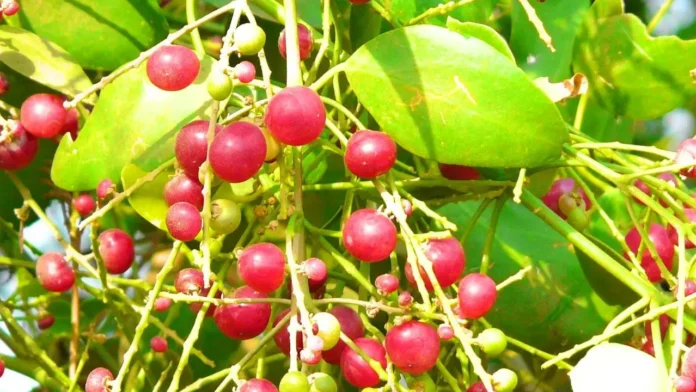
The fruit appears in small clusters and changes color from green to reddish-purple as it ripens. Its appearance often reminds people of grapes, which is why many call it the “grape of the desert.”
The taste is mildly sweet with a slight peppery aftertaste. However, for desert communities, Peelu is valued far beyond its flavor.
A Natural Shield Against Desert Heat
People familiar with the fruit say it works as a natural cooling agent. During peak summer months, villagers consume Peelu to stay hydrated and maintain energy while working under the scorching desert sun.
In regions where water scarcity is a daily challenge, foods with high moisture and natural minerals become extremely important. Locals believe Peelu helps the body retain strength and reduces the impact of heat exhaustion.
Many residents say the fruit is especially useful for:
- Preventing dehydration
- Reducing body heat
- Fighting fatigue during heatwaves
- Helping digestion in extreme temperatures
- Maintaining stamina during long hours outdoors
Although many of these beliefs come from traditional knowledge passed down through generations, the fruit continues to hold cultural and practical importance in desert life.
Why Peelu Matters in Jaisalmer
Jaisalmer is one of the hottest and driest regions in India. Water sources are limited, and summers can become dangerous for people working outdoors.
In such conditions, survival strategies developed over centuries become critical. Desert communities have long depended on local plants, fruits, and herbs that naturally adapt to the climate.
Peelu is one such example.
The fruit grows without intensive irrigation and thrives in conditions that would destroy most crops. For many villagers, it represents resilience and self-reliance in an unforgiving environment.
Elders in rural communities say families have been eating Peelu for generations. Children often collect the fruit during summer, while herders and farmers carry it during long hours in the desert.
Traditional Wisdom Meets Modern Interest
As climate change increases the intensity of heatwaves across India, interest in traditional desert foods is slowly growing. Researchers and environmentalists are now paying closer attention to indigenous plants that help communities survive extreme climates.
Peelu stands out because it is naturally suited to arid ecosystems. It requires very little water, survives in saline conditions, and continues producing fruit even in harsh weather.
Experts believe such traditional foods may become more important in the future as rising temperatures force regions to rethink agriculture and nutrition.
More Than Just a Fruit
For people living in the Thar Desert, Peelu is not simply seasonal produce. It is part of local identity, survival, and cultural memory.
In many villages, stories about the fruit are tied to childhood summers, camel journeys, and traditional desert lifestyles. Even today, older residents encourage younger generations to consume local fruits instead of relying entirely on processed drinks during heatwaves.
The growing conversation around sustainable living and climate resilience has also renewed appreciation for desert plants like Peelu.
The Desert’s Quiet Survivor
The story of Peelu highlights how traditional knowledge often develops through centuries of direct interaction with nature. Long before modern health drinks and cooling products existed, desert communities found their own ways to adapt to extreme weather.
In the scorching landscape of Jaisalmer, this tiny fruit continues to serve as a natural companion against heat and dehydration.
For many locals, the “grape of the desert” is more than a fruit. It is a reminder that survival in the harshest environments often depends on understanding the wisdom hidden in nature itself.

