


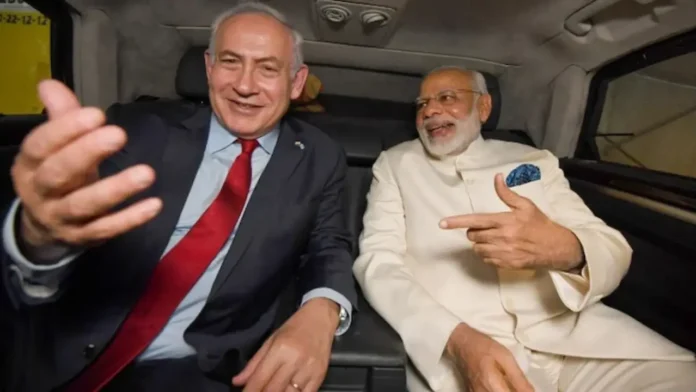
Prime Minister Narendra Modi’s visit to Israel included a special private dinner hosted by Israeli Prime Minister Benjamin Netanyahu. The dinner reflected both diplomatic warmth and cultural respect.
The meal was prepared at the historic King David Hotel in Jerusalem. A team of chefs designed a menu that combined simplicity with authentic Indian flavours. The focus remained on vegetarian dishes that matched the Prime Minister’s dietary preferences.
The dinner menu highlighted India’s traditional cuisine while following strict kosher rules required in Israel.
A Simple but Thoughtful Indian Menu
The dinner menu featured a selection of traditional Indian vegetarian dishes. The emphasis was on comfort food that represents different regions of India.
The menu included:
- Vegetarian Nargisi Kofta
- Idli with Sambhar
- Tadka Dal
- Dal Khichdi
- Kurkuri Bhindi
- Khandvi
- Dhokla
- Thepla
- Paneer-based vegetarian dishes
The menu combined North Indian, South Indian and Gujarati dishes. This variety showcased India’s diverse food traditions.
Despite being a high-level diplomatic dinner, the menu remained simple and homely rather than luxurious.
Why a Vegetarian Menu Was Chosen
The entire dinner menu was vegetarian. This choice matched the Prime Minister’s well-known dietary habits.
Vegetarian Indian cuisine is also easier to prepare under kosher guidelines. It avoids complications related to mixing meat and dairy products.
Vegetarian meals also allow a wider variety of spices, lentils and vegetables.
The dishes selected were light, nutritious and easy to digest.
Signature Dishes Served at the Dinner
Tadka Dal and Dal Khichdi
Tadka dal formed the heart of the dinner menu. It is a classic Indian lentil dish cooked with spices and tempered with oil and herbs.
Dal khichdi added a comforting element. This rice and lentil dish is widely considered simple and wholesome.
Both dishes reflect everyday Indian cooking rather than restaurant-style food.
South Indian Flavours
Idli with sambhar brought South Indian flavours to the table.
Idli is a steamed rice cake that is soft and light. Sambhar is a lentil-based vegetable stew with spices.
This combination is healthy and easy to digest, making it suitable for formal dinners.
Gujarati Specialities
Gujarati snacks formed an important part of the menu.
Dhokla
Dhokla is a steamed fermented cake made from gram flour. It is light and slightly tangy.
Khandvi
Khandvi consists of thin gram-flour rolls with mild spices.
Thepla
Thepla is a spiced flatbread made with whole wheat flour and herbs.
These dishes represent western India’s culinary traditions.
Vegetable and Paneer Dishes
Vegetable dishes added variety to the meal.
Kurkuri Bhindi
Crispy fried okra provided texture and flavour.
Vegetarian Nargisi Kofta
Nargisi kofta is a rich vegetable dumpling dish cooked in gravy.
Paneer Preparations
Paneer dishes added protein and richness to the menu.
Paneer is widely used in Indian vegetarian cooking and is popular internationally.
Cooking Under Kosher Rules
The dinner followed strict kosher food regulations.
Kosher rules govern how food is prepared in Jewish tradition.
The kitchen used for dinner followed special requirements.
Separate Kitchens
The hotel maintains separate kitchens:
- Meat kitchen
- Vegetarian kitchen
The Prime Minister’s food was prepared in the vegetarian kitchen.
Everything in this kitchen remained separate, including:
- Utensils
- Pots and pans
- Plates
- Cutlery
This separation ensures compliance with kosher law.
Kosher Inspection Process
Kosher preparation involves careful inspection of ingredients.
All food items must be certified kosher.
A rabbi supervises the kitchen and checks ingredients.
Vegetables must be cleaned and inspected carefully.
Certain vegetables such as cauliflower and broccoli are often supplied frozen to prevent contamination.
This strict inspection process ensures religious compliance.
Role of Chef Reena Pushkarna
The dinner was prepared under the supervision of an experienced Israeli chef familiar with Indian cuisine.
The chef emphasised that Indian food is highly appreciated in Israel. Indian spices and flavours have become popular among Israeli diners.
Preparing authentic Indian food in Israel requires careful selection of ingredients and spices.
The kitchen prepared large quantities of dishes such as tadka dal and special sauces made with cashew nuts and gram flour.
Netanyahu’s Interest in Indian Cuisine
Israeli Prime Minister Benjamin Netanyahu is known to appreciate Indian food.
Some of his favourite dishes include:
- Chicken tikka
- Fish tikka
- Bhindi dishes
This shared interest in food adds a personal dimension to diplomatic meetings.
Food often helps create a relaxed and friendly atmosphere during official visits.
Food as a Tool of Diplomacy
The dinner represented more than a meal. It symbolised the growing friendship between India and Israel.
Diplomatic dinners often reflect cultural respect and mutual understanding.
Serving Indian cuisine in Israel showed recognition of India’s traditions.
The menu also highlighted the strong personal rapport between the leaders.
Cultural Significance of the Menu
The menu represented India’s culinary diversity.
It included dishes from:
- North India
- South India
- Western India
This combination created a cultural showcase on a single table.
The meal demonstrated how food can connect cultures even during formal diplomatic events.
Conclusion
Prime Minister Modi’s private dinner in Israel reflected simplicity, tradition and diplomacy. The vegetarian Indian menu showcased authentic flavours while respecting kosher rules.
From tadka dal and khichdi to dhokla and thepla, the dishes represented India’s culinary diversity.
The dinner highlighted the growing cultural and strategic ties between India and Israel. It also showed how food can strengthen diplomatic relationships in a meaningful way.

