


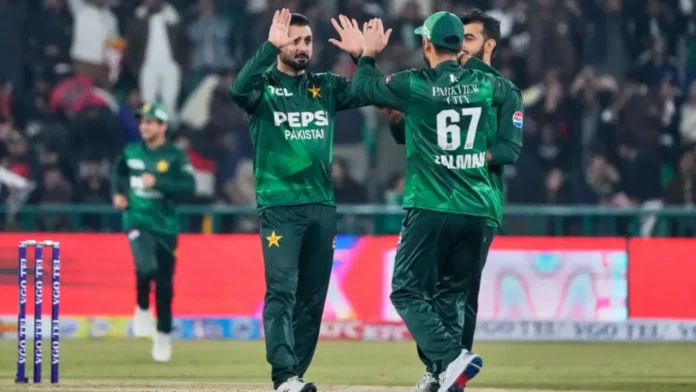
Pakistan’s announcement that it will boycott its T20 World Cup group match against India on February 15 has jolted world cricket. The team will participate in the tournament, yet it will not take the field for the marquee clash in Colombo. As a result, a fixture watched by millions now faces a likely forfeit, raising questions about fairness, finances, and governance.
What Pakistan Has Decided
Pakistan’s government cleared the national team to take part in the ICC T20 World Cup 2026. At the same time, it confirmed that the side will not play the scheduled match against India on February 15. The statement offered no detailed reason, but it made the position unambiguous. Pakistan will play its other group matches as planned.
If Pakistan does not take the field, India will be awarded the match points. Pakistan will forfeit two points, which could hurt its chances of advancing from Group A. The result will also affect net run-rate calculations and the overall group dynamic, even before the first ball is bowled.
Why This Decision Came Now
The move follows a wider dispute involving tournament logistics and security concerns. Pakistan backed Bangladesh after it was removed from the tournament following a deadlock over venues and travel. Pakistani officials accused the International Cricket Council of applying different standards to different teams. In that context, the boycott emerged as a political and sporting protest rather than a standalone cricketing call.
Neutral Venues and Old Agreements
All of Pakistan’s matches have been scheduled in Sri Lanka because of strained relations between New Delhi and Islamabad. Under an existing arrangement, India and Pakistan avoid travelling to each other’s countries during ICC events and instead play at neutral venues. Even so, Pakistan’s refusal to play India, despite the neutral setting, marks a rare escalation.
The ICC’s Dilemma
The decision puts the ICC in a difficult position. On one hand, tournament rules allow for forfeits. On the other hand, the boycott strikes at the event’s biggest attraction. The ICC must now balance regulations, commercial commitments, and diplomatic realities while preserving competitive integrity.
The India–Pakistan match is the tournament’s biggest draw. A boycott removes a prime-time spectacle from live play. Broadcasters lose guaranteed viewership. Sponsors lose visibility. Hosts lose ticket revenue. For a global event built around marquee clashes, the financial implications are severe.
Voices From Pakistan
Within Pakistan, reactions remain mixed. Some view the stand as necessary to highlight perceived injustice. Others warn of sanctions and long-term costs. Pakistan Cricket Board officials, including chairman Mohsin Naqvi, have stressed concerns about double standards while stopping short of detailing the final roadmap if talks resume.
What Fans Will Miss
A forfeit would deny fans the chance to see elite players clash on the world stage. The group-stage battle between Pakistan’s pace attack and India’s young batting core was expected to be one of the tournament’s highlights. Instead, supporters now face a space where cricket drama should have been.
What Happens Next
Diplomatic and cricketing discussions are expected to continue. The ICC may attempt mediation. Pakistan could reconsider. Or the tournament could proceed with a forfeit on the scorecard. Until an official update arrives, uncertainty hangs over one of cricket’s most anticipated fixtures.
Conclusion
Pakistan’s decision to boycott the February 15 match against India turns a sporting contest into a geopolitical statement. It reshapes Group A, tests the ICC’s authority, and underlines how deeply politics and cricket remain intertwined in South Asia. For now, the world waits to see whether dialogue restores the contest or whether the scoreboard settles it without a ball being bowled

