


Holi brings color to the streets and warmth to the kitchen. While people remember the playful splashes of gulal, families often cherish the sweets even more. Traditional Holi desserts carry history, emotion, and ritual value. They connect generations. They turn a single day of celebration into a shared memory.
This guide explores the most important sweets prepared during Holi, their cultural meaning, and how families can prepare them together.
Why Sweets Matter During Holi
Holi marks the arrival of spring and celebrates renewal. Families offer sweets as prasad before sharing them with guests and neighbors. This act builds harmony. It encourages forgiveness and fresh beginnings.
Cooking itself becomes part of the ritual. Elders guide younger members. Children help with simple tasks. Conversations flow naturally. In this way, sweets strengthen both tradition and relationships.
Gujiya — The Symbol of Holi
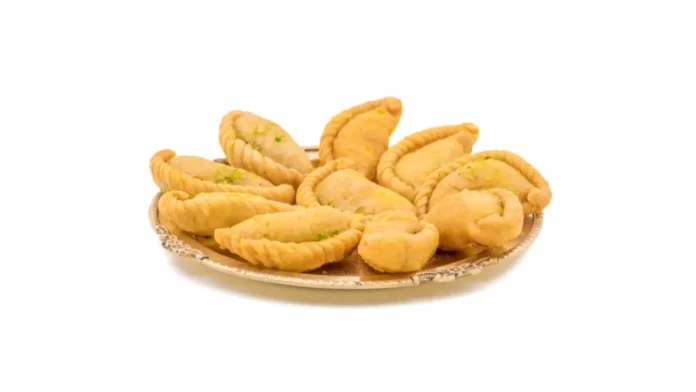
Gujiya stands at the center of Holi celebrations in North India. It is a deep-fried pastry filled with khoya, dry fruits, coconut, and cardamom. The crescent shape resembles prosperity and fullness.
Families usually prepare large batches before the festival. The outer layer must remain crisp. The filling must stay rich and fragrant. When guests arrive, offering gujiya feels almost ceremonial. It represents abundance and hospitality.
Malpua — A Sweet Taste of Tradition
Malpua adds softness and indulgence to the festive spread. It is a syrup-soaked pancake made from flour and milk, sometimes enriched with mashed banana. Many families serve it with thick rabri.
This dessert has deep historical roots in Indian cuisine. Its sweetness complements the energetic spirit of Holi. When prepared fresh, its aroma fills the home and draws everyone to the kitchen.
Thandai — The Cooling Companion
Thandai balances the richness of fried sweets. It blends milk, almonds, fennel seeds, black pepper, cardamom, saffron, and rose petals. The drink cools the body as the weather shifts toward summer.
Many households prepare the spice paste in advance. On Holi morning, they mix it with chilled milk and serve it to guests. Some families include a festive variation for adults. However, the traditional non-intoxicating version remains the most common.
Puran Poli — Sweet Comfort from the West
In Maharashtra and nearby regions, Puran Poli plays a key role during Holi. This soft flatbread contains a sweet filling of jaggery and chana dal. A drizzle of ghee enhances its flavor.
Preparing Puran Poli requires patience. The filling must be smooth. The dough must stay soft. When served warm, it offers comfort and richness in every bite.
Kheer — Simplicity with Devotion
Kheer may appear simple, yet it carries sacred value. Rice simmers slowly in milk with sugar and dry fruits. Families often offer it to the deity before serving it to guests.
Its creamy texture provides balance after heavier sweets. Moreover, it suits all age groups. Children and elders enjoy it equally.
Regional Variations Across India
Different regions celebrate Holi with unique additions. Some include sesame laddoos. Others prepare sweet mathri or coconut barfi. Local ingredients influence the final menu.
Despite these variations, one theme remains constant: sharing. Each sweet reflects local identity, yet all express the same festive joy.
Practical Family Preparation Tips
Plan the menu based on the number of guests. Prepare time-intensive sweets like gujiya in advance. Store them in airtight containers after cooling.
Assign tasks within the family. One person can prepare the filling. Another can shape the pastries. Children can help with garnishing. This teamwork reduces stress and increases enjoyment.
Always maintain hygiene. Use fresh oil for frying. Label beverages clearly. Small precautions ensure a safe and pleasant celebration.
The Emotional Value of Holi Sweets
Beyond ingredients and recipes lies emotion. Holi sweets remind us of childhood memories, laughter-filled kitchens, and the comforting presence of family. They carry stories from one generation to the next.
When families gather around a plate of homemade sweets, they celebrate more than a festival. They celebrate togetherness.
Conclusion
Holi sweets do not simply satisfy hunger. They express gratitude, love, and cultural pride. Whether you prepare Gujiya, Malpua, Thandai, Puran Poli, or Kheer, the real sweetness lies in sharing.
This Holi, cook with intention. Share with generosity. Celebrate with heart.

