


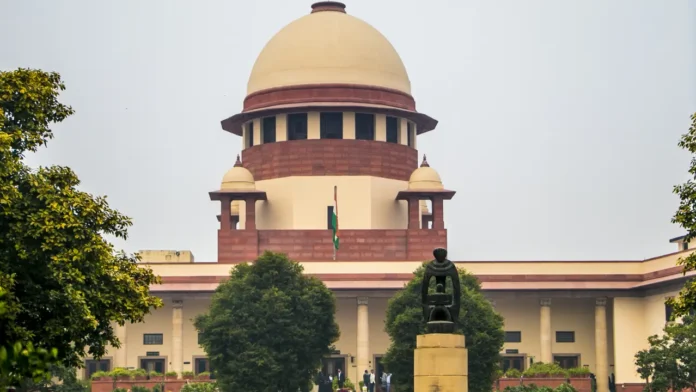
India’s Supreme Court recently declined to entertain a petition that sought mandatory menstrual leave for women employees and female students across the country. The plea asked the court to direct governments and institutions to introduce a national policy allowing women to take leave during menstruation. However, the court refused to intervene. The bench explained that such a directive could create unintended consequences in workplaces and that policy decisions of this scale should come from the legislature and government. The ruling has revived a nationwide debate about gender equality, workplace rights, and how societies should address menstrual health.
What the Petition Asked For
The Public Interest Litigation requested the court to introduce a uniform system of menstrual leave across India. According to the petition, many women experience severe pain, fatigue, and medical complications during their menstrual cycles. These health issues sometimes affect their ability to attend work or classes. Therefore, the petitioner argued that the law should guarantee paid leave during menstruation. The proposal suggested two to three days of leave each month for women employees and students. It also asked the government to frame guidelines that workplaces and educational institutions must follow. Supporters of the idea believe such policies would acknowledge menstrual health as a legitimate workplace concern.
Why the Supreme Court Refused the Plea
The Supreme Court rejected the request after examining its broader social and economic implications. The judges expressed concern that mandatory menstrual leave could discourage employers from hiring women. According to the bench, some companies might view such policies as an additional cost or operational challenge. As a result, women could face discrimination during recruitment. The court pointed out that well-intentioned policies sometimes create unintended disadvantages. Instead of improving equality, they may deepen existing biases. The judges therefore, felt that the judiciary should not impose a rule that could alter hiring patterns across the country.
Concern About Reinforcing Gender Stereotypes
The court also warned that mandatory menstrual leave might strengthen stereotypes about women’s physical capability. In competitive work environments, employers may assume that women will take frequent leave or remain less productive during certain days each month. Such perceptions could harm women’s professional growth. The judges stressed that equality means ensuring women receive the same opportunities as men. Policies must empower women without labeling them as weaker or less reliable workers. For this reason, the bench remained cautious about imposing a nationwide rule.
Policy Matters Should Be Decided by the Legislature
Another key reason behind the court’s decision involved the separation of powers. The judges said that designing labour policies falls under the responsibility of the legislature and the executive branch. Courts interpret laws, but they usually avoid framing social policies that affect the entire workforce. Therefore, the bench suggested that activists and stakeholders should approach the government if they want menstrual leave policies. Lawmakers can study the issue, conduct consultations, and then decide whether a national framework is necessary.
The Ongoing Debate on Menstrual Leave
Although the court rejected the petition, the discussion around menstrual leave continues. Many experts argue that menstrual pain can severely affect daily life for some women. Conditions such as endometriosis, dysmenorrhea, and hormonal disorders can make routine activities extremely difficult. Advocates, therefore believe that supportive workplace policies can improve productivity and well-being. When women receive flexibility during difficult days, they often return to work with better focus and health. On the other hand, critics worry that formalizing menstrual leave may create barriers to equal employment. They argue that gender-neutral sick leave policies already allow employees to take time off when needed.
Existing Menstrual Leave Policies in India
India does not have a nationwide law on menstrual leave, yet some organizations have introduced their own policies. Several private companies provide optional “period leave” days each year. These policies allow women to take time off without using regular sick leave. Some institutions also allow remote work or flexible schedules during menstruation. In addition, certain state-level discussions have taken place regarding menstrual leave for students. These initiatives show that the debate continues even without a national mandate. Many companies now explore ways to support menstrual health while maintaining equal workplace opportunities.
Global Perspective on Menstrual Leave
Around the world, a few countries have experimented with menstrual leave policies. In some Asian nations, labour laws allow women to take leave during menstruation if they experience discomfort. However, implementation varies widely. In several cases, women hesitate to use the leave because they fear workplace stigma. This experience shows that legal provisions alone cannot solve the problem. Social attitudes, workplace culture, and gender equality also play a major role. Therefore, policymakers must carefully balance health support with professional equality.
The Way Forward
The Supreme Court’s decision does not close the debate on menstrual leave in India. Instead, it shifts the discussion toward policymakers and legislators. Governments may examine medical research, workplace practices, and international experiences before introducing any new rules. Companies can also adopt voluntary policies that respect employees’ health needs. At the same time, awareness about menstrual health must increase across workplaces and educational institutions. Open discussions can reduce stigma and encourage supportive environments. Ultimately, the goal remains clear: women should work and study with dignity, equality, and proper health support.
Conclusion
The Supreme Court’s refusal to mandate menstrual leave highlights the complexity of balancing gender equality with workplace realities. While the petition sought to recognize menstrual health as a legitimate issue, the court feared that compulsory leave might unintentionally harm women’s employment prospects. Therefore, the bench left the matter to lawmakers and policymakers. The debate now moves beyond the courtroom and into the broader social and political arena. As India continues to discuss gender-sensitive workplace reforms, the challenge will be to design policies that protect women’s health while preserving equal opportunities for all.

