


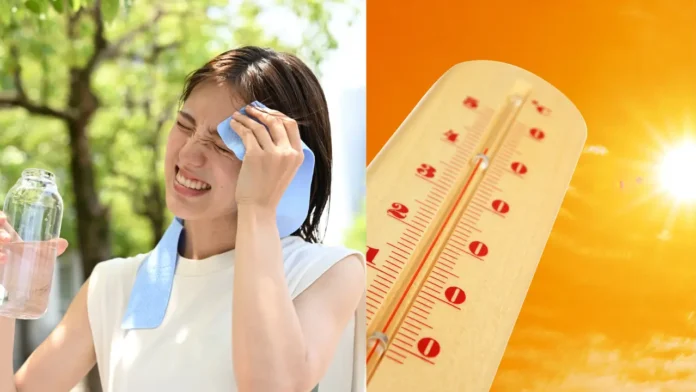
India is burning — and this is not a metaphor.
As of April 25, 2026, the India Meteorological Department (IMD) has issued heatwave alerts across over a dozen states, with temperatures crossing 44.5°C in parts of Maharashtra, Rajasthan, Madhya Pradesh, and Telangana. Delhi is under a Yellow Alert. Rajasthan and parts of Vidarbha are on Red. The IMD’s seasonal forecast for April to June 2026 warns of above-normal heatwave days across east, central, and northwest India — and this summer shows no signs of mercy.
But extreme heat is not just discomfort. It is a medical threat.
This guide is your complete resource — grounded in current data, medical science, and India’s own traditional wisdom — to survive and protect your family this summer.
10 Essential Ways to Protect Yourself This Summer
1. Master Your Timings — Avoid the Danger Window
The sun is most lethal between 12 PM and 4 PM. This is when UV radiation, ambient temperature, and ground heat combine to maximum effect. If you have a choice, stay indoors during these hours. Plan outdoor activities — exercise, errands, travel — before 10 AM or after 6 PM.
If you must go out: never go alone, carry water, tell someone your route, and return if you feel dizzy.
2. Hydrate — Before You’re Thirsty
By the time you feel thirsty in peak summer, your body is already mildly dehydrated. Drink water consistently throughout the day — at least 2.5 to 3 litres for most adults, more if you’re outdoors or physically active.
Avoid tea, coffee, and alcohol — they are diuretics and accelerate fluid loss. Avoid icy cold water in large quantities if you’re very hot — it can cause cramping.
What to drink: ORS (Oral Rehydration Salts) for anyone who has been sweating heavily. Coconut water — rich in potassium, sodium, and magnesium — is one of nature’s best electrolyte drinks. Buttermilk (chaas) replenishes fluids and aids digestion. Aam panna, the traditional raw mango drink with cumin and black salt, replaces lost electrolytes and has been trusted by generations of Indians as a natural shield against heatstroke.
3. Dress for the Heat, Not for Fashion
Wear loose, light-coloured, full-sleeved cotton clothing when going outdoors. Light colours reflect sunlight; dark colours absorb it. Loose fabrics allow sweat to evaporate, which is how your body cools itself. Synthetic fabrics trap heat and should be avoided entirely.
Always cover your head — a cotton dupatta, a wide-brimmed hat, or a wet cloth cap. Carry an umbrella. Wear UV-protective sunglasses.
4. Cool Your Home Without an AC
Not everyone has an air conditioner — and that’s okay. Here’s what works:
- Cross-ventilation: Open windows on opposite sides of the room in the early morning and late evening to let cool air circulate. Close them during the day.
- Wet curtains or khus (vetiver) screens: Hang wet cloth or khus grass screens on windows. As air passes through them, it cools naturally — a technique our grandparents knew well.
- Damp floors: Sprinkle water on the floor, especially in the afternoon. Evaporation draws heat out of the room.
- Close the curtains: Keep curtains or blinds drawn on south- and west-facing windows between 11 AM and 5 PM to block direct sunlight.
- Use fans strategically: Place a bowl of ice or cold water in front of a fan to create a cooling effect.
- Sleep on the lower floor: Hot air rises. The ground floor or basement is significantly cooler at night.
5. Eat Right for the Season
Heavy, oily, or spicy meals increase your body’s metabolic heat load. Summer calls for lighter eating.
Cooling foods to eat more of:
- Curd and curd rice — cooling, probiotic, easy to digest
- Cucumbers, watermelon, muskmelon — high water content, naturally hydrating
- Raw mango preparations — aam panna, raw mango dal
- Sattu (roasted gram flour) drinks — traditionally consumed in Bihar and UP, cooling and filling
- Mint (pudina) — add to water, chutneys, or drinks; it lowers body temperature
- Bael sharbat — made from wood apple, known for its deep cooling properties in Ayurveda
Avoid: Fried snacks, heavy non-vegetarian meals, excessive spice, and packaged beverages high in sugar or caffeine.
Eat smaller, more frequent meals instead of large ones. Your digestive system works harder after big meals, generating heat as a byproduct.
6. Never Leave Anyone in a Parked Vehicle
Vehicle interiors can heat up to 60–70°C within minutes on a hot day. Never leave children, elderly persons, or pets unattended in a parked car — even with windows slightly open. Even a 10-minute stop can be fatal.
7. Protect the Most Vulnerable
Heat hits hardest at the extremes of age and health. These groups need extra attention:
- Elderly people lose the ability to sense heat and thirst. Check on them every few hours. Ensure their room is cool and they’re drinking water regularly.
- Children have a higher body-surface-to-weight ratio and overheat faster. Never send them out during peak hours without proper head cover and water.
- Pregnant women are at increased risk of dehydration and should avoid outdoor heat exposure entirely during peak hours.
- People with diabetes, hypertension, or heart disease — heat stress can trigger arrhythmia, chest pain, or hypoglycaemia. Monitor medications carefully; some drugs like diuretics and antihistamines, increase heat sensitivity.
- Outdoor workers and daily wage labourers — if you or someone you know works outdoors, take 15–20 minute breaks in the shade every hour. Employers have a responsibility to provide shade, water, and rest.
8. Monitor IMD Alerts and Act on Them
The IMD issues colour-coded alerts to guide public action:
- 🟡 Yellow Alert: Be aware. Heat stress possible. Reduce outdoor exposure for vulnerable groups.
- 🟠 Orange Alert: Be prepared. Significantly elevated risk. Avoid outdoor activity in peak hours.
- 🔴 Red Alert: Take action. Dangerous heat. Stay indoors. Emergency preparedness required.
You can receive alerts via the NDMA’s Common Alert Protocol — it uses location-based targeting to send warnings directly to your phone. Download the Sachet app (by NDMA) for real-time, district-level weather alerts.
9. Keep Your Mental Health in Mind
Heat waves don’t just strain the body — they strain the mind. Research shows that prolonged heat exposure increases irritability, aggression, and anxiety. Heat can trigger relapse of bipolar disorder, intensify depression, and even increase suicide risk. Dr. Vikram Gupta, a public health expert, notes: “Just as heat waves stress our bodies, they also strain our minds — intensifying existing mental health conditions and creating new psychological burdens.”
If you or someone around you seems unusually agitated, confused, or withdrawn during a heat wave, it could have a physiological cause. Stay in touch with friends and neighbours — check in, especially on those living alone.
10. Help a Stranger
If you see someone collapsed or visibly distressed in the heat on the street, act. Move them to shade. Call 112. Give them water if they are conscious. You don’t need medical training to save a life — you just need to not walk past.
Traditional Indian Wisdom That Still Works
India has survived brutal summers for thousands of years without air conditioning. Here are time-tested practices worth reviving:
Aam Panna: Boil or roast raw mangoes, blend the pulp with water, roasted cumin (jeera), black salt, mint, and a little jaggery. Drink one glass a day before noon. It replenishes iron and electrolytes and has been used for generations to prevent heatstroke.
Chaas (Buttermilk): Blend curd with water, add a pinch of roasted jeera, black salt, and fresh mint. Light, probiotic, and naturally cooling. Drink after lunch to aid digestion and lower body temperature.
Khus (Vetiver) Water: Soak khus roots in water overnight and drink it in the morning. Khus has natural cooling properties and is widely used across India and Ayurveda for its ability to reduce internal heat.
Nimbu Pani with Kala Namak: The humble lemonade — but made right. Fresh lemon juice, water, a pinch of black salt (which contains trace minerals), and a small amount of sugar or jaggery. Simple, effective, and a complete electrolyte drink.
Curd Rice: A staple of South Indian summers and with good reason. Easy to digest, cooling in nature, and rich in probiotics that support gut health when digestion is sluggish from the heat.
A Word About Air Conditioners
ACs save lives in extreme heat — but they come with caveats. Moving directly from a very hot environment into a very cold room (below 18°C) can cause respiratory stress, muscle cramps, and even cardiac shock in vulnerable people. Set your AC between 24°C and 26°C, not lower. When stepping outside from an AC room, spend a few minutes in a transitional space to acclimatise.
Also: the heat ACs expel into the outdoor environment worsens the urban heat island effect, making cities hotter for those without access to cooling. This is the bitter irony of the heat crisis — the solution for the few makes conditions harder for the many.
The Bigger Picture
India’s heat crisis is not just a weather event. It is a climate emergency in slow motion. Temperatures exceeding 45°C are no longer rare — they are expected. The nights are warming too, reducing the body’s recovery time between hot days. Urban heat islands trap and concentrate heat in cities. And the Loo, once a feared but seasonal visitor, is starting earlier and lasting longer each year.
The poorest and most vulnerable — daily wage workers, construction labourers, street vendors, farmers — have no choice but to be outside. For millions of Indians, this summer is not an inconvenience. It is a daily risk to life.
Staying safe yourself is necessary. But demanding better — cooler cities, heat action plans for every district, shade and water for outdoor workers, and recognition of heatwaves as the natural disasters they are — is equally important.
The sun doesn’t negotiate. But we can prepare, protect each other, and insist that our systems do better.

india-heatwave-2026-imd-alerts-safety-tips-heatstroke-guide)