


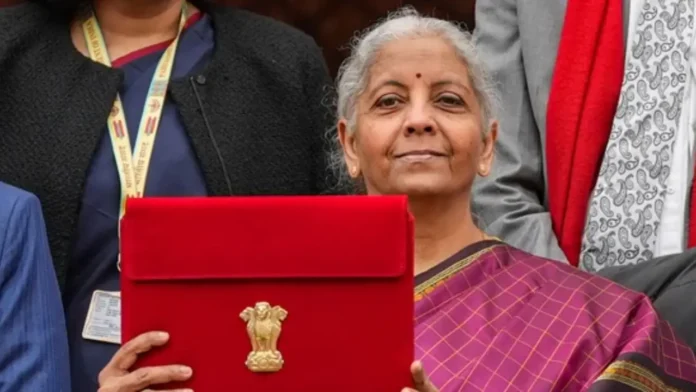
With the presentation of the Union Budget 2026–27, the government has redrawn the price map for Indian consumers. Some essential and future-focused items are set to become cheaper. At the same time, select goods and services will cost more. Finance Minister Nirmala Sitharaman outlined these changes while presenting the Budget in Parliament, highlighting customs duty rationalisation and tariff adjustments.
The intent is clear. The government wants to reduce costs in healthcare, clean energy, education and manufacturing, while increasing revenue from luxury goods, harmful consumption and speculative trading.
Items That Are Expected to Get Cheaper
Healthcare and Life-Saving Medicines
The biggest relief comes in healthcare. The government has reduced duties on critical drugs and medical inputs.
Seventeen cancer medicines are expected to become more affordable. Drugs, specialised food, and medical products used for seven rare diseases will also see price relief. This move directly lowers treatment costs for patients and families.
Personal Imports and Consumer Goods
Goods imported for personal use will attract lower customs duty. As a result, several everyday and lifestyle products are expected to become cheaper.
Leather footwear, textile garments and microwave ovens fall in this category. Consumers purchasing imported personal goods should see lower final prices.
Food and Agri-Linked Products
Seafood products are likely to become cheaper due to duty changes on inputs and processing-related imports. This could benefit exporters and domestic consumers over time.
Energy, Environment and Clean Mobility
The Budget pushes clean energy strongly.
Lithium-ion cells used in batteries, solar glass, critical minerals and biogas-blended CNG will cost less. These measures aim to support electric vehicles, renewable energy projects and green infrastructure.
Education, Travel and Manufacturing
Foreign education-related expenses are expected to ease due to tariff relief. Overseas tour packages may also become cheaper.
In manufacturing, aircraft components have received duty cuts to support domestic aircraft production.
Items That Are Likely to Become Costlier
Alcohol and Cigarettes
Alcohol and cigarettes will cost more due to higher duties and stricter tax measures. This will directly affect retail prices and restaurant bills. The government continues to discourage consumption through taxation.
Energy and Natural Resources
Components used in nuclear power projects are expected to become costlier.
Minerals, iron ore and coal will also see price pressure due to revised levies, impacting power, steel and infrastructure sectors.
Financial Market Activities
The Budget tightens taxation around market speculation.
Stock options and futures trading will become more expensive following a hike in Securities Transaction Tax.
Penalties related to the misreporting of income tax have also increased, raising compliance costs.
Will Imported Wine Become Cheaper?
Despite alcohol becoming costlier overall, imported European wine and beer could see some price relief.
Under the recently finalised India–European Union trade agreement, tariffs on a large share of EU exports will be reduced or eliminated. This may lower prices of wine, beer, certain spirits, fruit juices, kiwis, pears and processed foods imported from Europe.
This relief, however, will apply selectively and may not offset domestic tax increases on alcohol.
Other Key Budget Highlights
In her 81-minute Budget speech, the Finance Minister also addressed broader reforms.
She spoke about timelines for income tax return filing.
She announced a higher Securities Transaction Tax on Futures and Options.
She highlighted the expansion of India’s semiconductor mission and the creation of rare earth corridors to secure critical supply chains.
Political Reactions
Prime Minister Narendra Modi and several ministers welcomed the Budget, calling it forward-looking.
Opposition parties criticised it, describing it as lacking strong reforms for the poor and middle class.
Final Takeaway
Budget 2026 offers targeted relief where the government wants growth—healthcare, clean energy, manufacturing and education. At the same time, it raises costs on alcohol, tobacco, fossil-linked resources and financial speculation.
For consumers, the message is mixed but deliberate. Essentials and future technologies get cheaper. Discretionary and harmful consumption gets taxed more heavily.

