


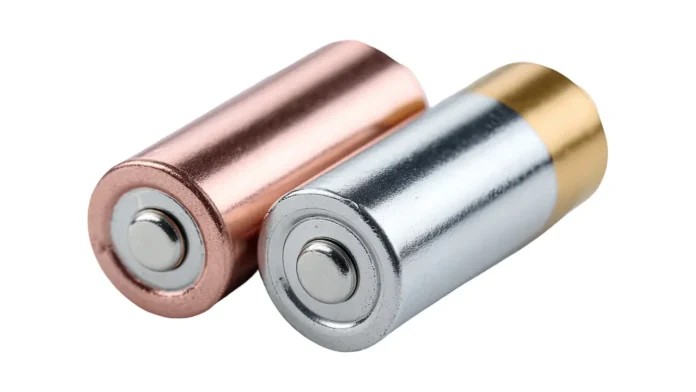
Lithium-ion batteries power everything today—from smartphones to electric vehicles. However, they come with serious challenges. They are expensive, rely on limited resources like lithium and cobalt, and carry safety risks such as overheating and fire hazards.
As demand for energy storage rises, scientists and companies are actively searching for safer, cheaper, and more sustainable alternatives. Several promising technologies are now emerging, some already in use and others still in development.
Why the World Is Moving Beyond Lithium-Ion
Lithium-ion technology has served well, but its limitations are becoming more visible.
First, the cost of raw materials continues to fluctuate. Lithium and cobalt are not only expensive but also geographically concentrated, which creates supply risks.
Second, safety concerns remain significant. Thermal runaway incidents, although rare, can lead to fires and explosions.
Third, environmental concerns around mining and disposal are increasing pressure on industries to find cleaner alternatives.
These challenges are driving innovation toward next-generation battery technologies.
Sodium-Ion Batteries: The Most Promising Low-Cost Alternative
Sodium-ion batteries are widely considered the closest practical alternative to lithium-ion.
They use sodium instead of lithium, which is abundant and inexpensive. This makes them significantly cheaper to produce. In addition, sodium-ion batteries are more stable and less prone to overheating.
While they have lower energy density, making them less ideal for long-range electric vehicles, they are highly suitable for grid storage and affordable mobility solutions.
As manufacturing scales up, sodium-ion batteries could become a mainstream solution in the near future.
Aluminium Batteries: A Breakthrough from Indian Research
Aluminium batteries are gaining attention as a game-changing alternative, especially after recent research developments in India.
Aluminium is one of the most abundant and cheapest metals available. It can store more charge per atom than lithium, making it highly efficient in theory. It is also much safer, as it does not pose the same fire risks.
However, aluminium batteries have struggled with durability. The internal materials tend to degrade quickly during repeated charging cycles.
Recent scientific progress has addressed this issue. Researchers developed a new composite material by combining vanadium oxide with an advanced conductive material known as MXene. This structure acts like a stabilizing framework inside the battery.
As a result, the battery shows significantly improved performance. It retains a large portion of its capacity even after hundreds of charge cycles, marking a major step toward practical use.
Although still in the research stage, aluminium batteries could become a low-cost and safe solution for future energy storage, from small devices to large-scale systems.
Lithium Iron Phosphate (LFP): A Safer Upgrade
Lithium Iron Phosphate batteries are a modified form of lithium technology but with improved safety and cost efficiency.
They eliminate the need for cobalt and nickel, making them cheaper and more environmentally friendly. They also have a much lower risk of overheating.
While their energy density is lower, they offer longer life cycles and are already widely used in electric vehicles and energy storage systems.
Solid-State Batteries: The Future of Safety
Solid-state batteries represent the next frontier in battery technology.
They replace liquid electrolytes with solid materials, eliminating leakage risks and significantly improving safety. They also promise higher energy density and faster charging.
However, high costs and manufacturing challenges mean they are not yet widely available. Still, they are expected to play a major role in the future of electric mobility.
Zinc-Based Batteries: Safe and Eco-Friendly
Zinc-based batteries are another promising alternative.
Zinc is abundant, non-toxic, and inexpensive. These batteries are extremely safe and environmentally friendly.
Although current versions face limitations in recharge cycles, ongoing improvements are making them more viable for broader applications.
Flow Batteries: Ideal for Large-Scale Storage
Flow batteries store energy in liquid electrolytes and are primarily used for large-scale applications.
They are incredibly safe and have a long lifespan. However, their size and cost make them unsuitable for portable devices or vehicles.
They are best suited for renewable energy storage, helping stabilize power from solar and wind sources.
Which Alternative Is the Best?
Each technology serves a different purpose.
- Sodium-ion is best for cost and scalability
- Aluminium batteries show promise for future affordability and safety
- LFP is currently the safest practical option
- Solid-state offers long-term technological advancement
- Zinc and flow batteries are ideal for specific use cases
There is no single replacement yet. Instead, the future will likely see a combination of these technologies depending on the application.
Conclusion: A Multi-Battery Future Ahead
The dominance of lithium-ion batteries is slowly being challenged. As research accelerates, safer and cheaper alternatives are moving closer to real-world adoption.
The recent progress in aluminium battery technology highlights how innovation can solve long-standing problems. At the same time, sodium-ion batteries are already stepping into the market as a practical alternative.
The future of energy storage will not depend on one technology alone. Instead, it will be shaped by a diverse mix of solutions, each optimized for cost, safety, and performance.
This transition marks a crucial step toward a more sustainable and secure energy future.

