


Quick Overview
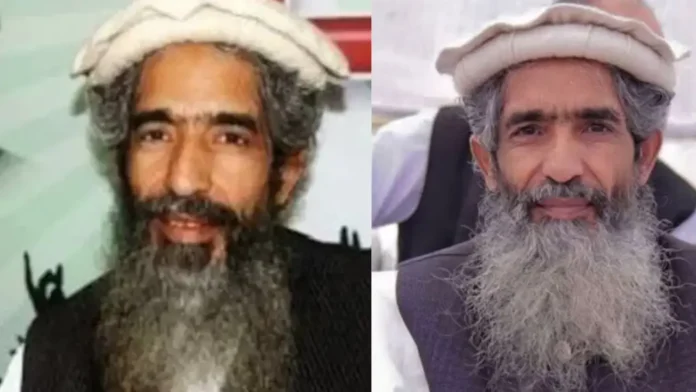
Amir Hamza is a senior figure associated with the Pakistan-based militant group Lashkar-e-Taiba. He has long been known as one of its co-founders, ideologues, and propagandists, and has been linked to activities connected to terrorism in India.
Background and Role in Lashkar-e-Taiba
Amir Hamza emerged as an early member of Lashkar-e-Taiba during its formative years. He worked closely with the group’s top leadership and played a key role in shaping its ideological direction.
Unlike field operatives, Hamza’s strength lay in:
- Ideological influence
- Propaganda and recruitment messaging
- Strategic guidance within the organisation
Because of this, he became one of the intellectual pillars of the group, helping sustain its long-term agenda.
Links to Terror Activities in India
Lashkar-e-Taiba has been associated with several major attacks in India over the years. As a senior member, Amir Hamza has been linked by security agencies to multiple terror networks and operations.
These links include:
- Association with planning and support structures
- Influence over recruitment and radicalisation
- Connections to operatives involved in attacks
His name has surfaced in investigations related to attacks on Indian institutions and civilians, making him a person of high interest for counter-terror agencies.
Why He Is Considered Important
Amir Hamza is not just another member. His importance comes from three key factors:
1. Founding Member Status
Being a co-founder gives him deep institutional knowledge of Lashkar-e-Taiba’s structure and operations.
2. Ideological Influence
He helped shape the group’s narrative. This role is crucial because ideology drives recruitment and long-term survival.
3. Long-Term Association
He remained connected to the group for decades, which is rare in such networks. This continuity made him a key figure in maintaining stability within the organisation.
The Lahore Shooting Incident
In April 2026, Amir Hamza was shot by unidentified gunmen in Lahore. The attackers reportedly used a targeted approach and escaped immediately.
Key points:
- The attack happened in a public area
- No group has claimed responsibility
- He had survived a previous attack earlier
This incident fits into a growing pattern of targeted attacks on militant figures inside Pakistan.
Possible Reasons Behind the Attack
While there is no official confirmation, analysts generally consider:
- Internal conflicts within militant groups
- Power struggles or factional rivalries
- Covert targeting by intelligence agencies
Each of these possibilities reflects the unstable nature of such networks today.
Why This Matters
The attack on Amir Hamza has wider implications:
- It signals vulnerability within militant leadership
- It may impact Lashkar-e-Taiba’s internal structure
- It affects regional security dynamics, especially involving India
Such developments often lead to uncertainty rather than immediate stability.
Conclusion
Amir Hamza remains a significant figure in the history of Lashkar-e-Taiba. His role as a co-founder and ideologue placed him at the core of the organisation’s evolution.
The recent shooting in Lahore highlights a shifting reality. Even long-standing figures within militant networks are no longer secure. As a result, the incident is not just about one individual. It reflects broader changes in how such groups operate and survive today.

