


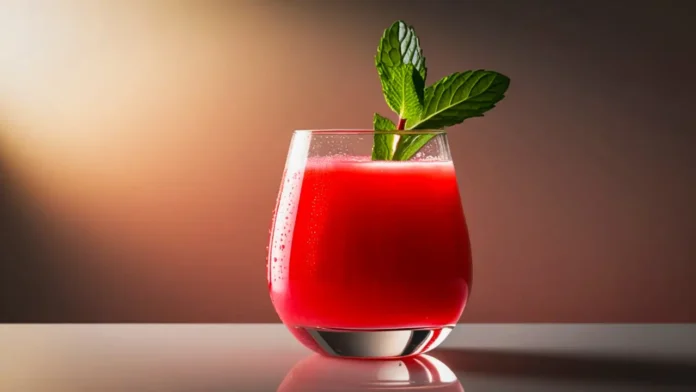
These aren’t folk myths. Nutritionists, Ayurveda experts, and modern food science agree: these 10 readily available Indian foods actively lower your core body temperature, replenish electrolytes, and protect you from heatwave damage.
Every summer, as temperatures across India breach 40°C and Loo winds sweep across the plains, millions of Indians reach for cold water or the nearest AC — and miss nature’s own cooling pharmacy sitting right in their kitchen. Science confirms that certain foods lower the body’s internal heat load through three mechanisms: high water content for hydration, electrolyte replenishment to reduce sweat-related mineral loss, and specific compounds that trigger thermogenic or cooling responses in the gut and bloodstream.
From the kokum of coastal Maharashtra to the humble curd found in every Indian home, here are 10 foods that genuinely cool you from the inside — with the science to back every claim.
In this article
1. Coconut water
2. Raw mango (Aam panna)
3. Curd / Lassi
4. Kokum
5. Sattu
6. Cucumber
7. Mint (Pudina)
8. Watermelon
9. Fennel seeds (Saunf)
10. Buttermilk (Chaas)
The 10 cooling foods
01 Coconut water Nariyal pani — नारियल पानी
Top pick
Nature’s original electrolyte drink, coconut water, contains potassium, sodium, magnesium, and calcium in near-perfect proportions for rapid rehydration. When you sweat in Indian summer heat, you lose not just water but critical electrolytes — and plain water alone cannot replace them fast enough. Coconut water does. A 2012 study in the Journal of the International Society of Sports Nutrition found it equally effective as sports drinks for post-exercise rehydration. Its natural sugars also provide quick energy without spiking blood sugar aggressively.
Water content 94%
Potassium 600 mg/cup
Calories ~46 per cup
Best time: Morning or post-activity
How to use
Drink fresh coconut water in the morning or after going out in the sun. Avoid bottled versions with added sugar — they defeat the purpose.
02 Raw mango — Aam panna
Kachcha aam — कच्चा आम
Traditional hero
Raw mango is India’s oldest heatwave medicine — and science explains why. Rich in vitamins C and B6, raw mango replenishes iron lost through sweating and prevents anaemia-related fatigue in summer. The traditional drink Aam panna — made by roasting raw mango and mixing it with jaggery, cumin, and black salt — is one of the most scientifically sound cooling drinks in existence. The combination of malic acid (which aids digestion in heat), natural sodium from black salt, and vitamin C makes it an ideal anti-Loo drink. Generations of Indian grandmothers were right all along.
Key nutrients: Vitamin C, B6, and Iron
Cooling agent Malic acid
Ayurvedic quality Reduces Pitta (heat)
Best form of Aam panna drink
Quick recipe
Roast one raw mango directly on a flame until soft. Scoop the pulp, blend with water, black salt, roasted cumin, jaggery, and mint. Drink chilled before noon.
03 Curd and Lassi
Dahi / Lassi — दही / लस्सी
Daily essential
Curd is India’s most accessible cooling food — and its science is solid. The probiotics in fermented curd reduce gut inflammation triggered by heat stress, while the high water and protein content slow digestion and help prevent overheating during the digestive process. A 2019 study found that regular probiotic consumption improves the body’s tolerance to heat stress by stabilising gut microbiome disruptions caused by high temperatures. In Ayurveda, curd with a pinch of rock salt and cumin is specifically prescribed for summer Pitta imbalance, which translates, in modern terms, to heat-related inflammation and digestive distress.
Water content 88%
Probiotics Lactobacillus strains
Calcium 183 mg / cup
Best time Lunch, not dinner
How to use
Eat a bowl of plain curd with lunch every day. Or drink a glass of salted lassi (with cumin and mint) in the afternoon. Avoid sweet lassi — the excess sugar increases heat load.
04 Kokum
Garcinia indica — कोकम Underrated gem
Kokum is perhaps the most underrated summer superfood in India, beloved on the Konkan coast but largely unknown in the north. The dried rind of Garcinia indica contains hydroxycitric acid (HCA) and significant amounts of anthocyanins — powerful antioxidants that reduce oxidative stress caused by heat exposure. Kokum sharbat has been scientifically shown to have anti-inflammatory properties, and the drink naturally lowers body temperature through its diuretic effect — helping the body expel excess heat through urine. It also prevents dehydration-related acidity, a common summer complaint.
Key compound
Hydroxycitric acid
Antioxidants
Anthocyanins
Traditional use
Goa, Konkan, Karnataka
Best form
Kokum sharbat/sol kadhi
How to use
Soak dried kokum in water overnight. Strain, add black salt, sugar, and roasted cumin. Drink chilled. Available at most grocery stores across India now.
05 Sattu
Roasted gram flour — सत्तू
Bihar’s secret weapon
Sattu is roasted chickpea flour — a powerhouse that Bihar, Jharkhand, and UP have been using against summer heat for centuries. Its cooling effect is rooted in its low glycaemic index: sattu is digested slowly, which means the body produces less heat during digestion compared to high-GI foods like white rice or maida. It is also extraordinarily rich in protein and fibre, which keeps the body energised without spiking internal temperature. A glass of sattu sharbat (with lemon, kala namak, and jeera) acts simultaneously as a meal replacement, electrolyte drink, and coolant — making it perhaps the most complete summer food on this list.
Protein 20g per 100g
Glycaemic index Low (28–32)
Fibre High — aids digestion
Cost Under ₹80 / kg
How to use
Mix 2 tablespoons of sattu in cold water with lemon juice, kala namak, roasted jeera powder, and a pinch of ajwain. Drink on an empty stomach or as a mid-morning coolant.
06 Cucumber
Kheera — खीरा
Everyday cooler
At 96% water content, cucumber is one of the most hydrating foods available — more water-dense than even watermelon. But it does more than hydrate: cucumber contains cucurbitacins, compounds with anti-inflammatory properties that reduce internal heat-related swelling and discomfort. It also contains silica, which helps regulate body fluids, and a mild diuretic effect that flushes heat from the system. In Ayurveda, cucumber is classified as one of the highest “Pitta-pacifying” foods — meaning it actively works against heat and inflammation in the body’s system.
Water content 96%
Calories 16 per 100g
Key compound
Cucurbitacins, Silica
Best time
Afternoon snack
How to use
Eat raw cucumber with a pinch of black salt and chaat masala as an afternoon snack. Or blend into raita with curd and mint. Keeps the body cool for 2–3 hours.
07 Mint — Pudina
Mentha — पुदीना
Instant relief
Mint works differently from the others on this list — it creates a perception of coolness rather than directly lowering temperature, but this effect is real and powerful. The menthol in mint activates cold-sensitive receptors (TRPM8 receptors) in the skin and mucous membranes, sending cooling signals to the brain. This is the same receptor that responds to actual cold. In extreme heat, triggering this response reduces the sensation of heat stress and can lower perceived temperature by several degrees. Additionally, mint aids digestion and reduces heat-related nausea — a common summer complaint.
Active compound
Menthol
Mechanism
TRPM8 receptor activation
Also helps Digestion, nausea
Best form Fresh leaves, pudina chutney
How to use
Add a handful of fresh pudina leaves to lemonade, curd, or water. Make pudina chutney and eat it with every summer meal. Or simply chew 4–5 fresh mint leaves after going out in the sun.
08 Watermelon
Tarbooz — तरबूज
Summer favourite
Watermelon is 92% water and contains lycopene — a powerful antioxidant that protects cells from heat-induced oxidative damage. A 2014 study found that lycopene significantly reduces inflammatory markers elevated during heat stress. Watermelon also contains L-citrulline, an amino acid that improves blood circulation, helping the body distribute and dissipate heat more efficiently. The natural sugars provide quick energy without the gut heat that processed sugar causes. However — and this matters — watermelon that has been pre-cut and left unrefrigerated in summer heat can harbour bacteria rapidly. Always eat fresh-cut watermelon immediately.
Water content 92%
Key compound
Lycopene, L-citrulline
Calories 30 per 100g
Warning
Eat fresh — not left out
Safety note
Cut watermelon only when you are ready to eat it. Never leave cut watermelon at room temperature in summer — bacteria multiply rapidly on the flesh surface within 2 hours.
09 Fennel seeds — Saunf
Foeniculum vulgare — सौंफ
Pocket-sized cooler
The tiny fennel seed punches far above its weight in summer. Saunf contains anethole, a phytoestrogen that has been shown to have significant anti-inflammatory and cooling properties in the digestive tract. Fennel water — made by soaking fennel seeds overnight — is one of Ayurveda’s oldest remedies for summer heat and has modern scientific backing: a 2016 study found that fennel extracts significantly reduced core body temperature in subjects under heat stress conditions. Fennel also reduces intestinal gas and bloating that summer heat typically aggravates, and is gentle enough for children.
Active compound
Anethole
Effect
Anti-inflammatory, cooling
Safe for All ages incl. children
Cost Under ₹30 for a month
How to use
Soak one teaspoon of saunf in a glass of water overnight. Strain and drink first thing in the morning. Or simply chew a small pinch of raw saunf after every meal throughout summer.
10 Buttermilk — Chaas
Takra / Chaas — छाछ
Ancient wisdom, modern proof
Chaas — spiced buttermilk — is arguably the most complete summer health drink India has produced. Unlike lassi, chaas is low-fat but retains all the probiotics, electrolytes, and riboflavin (Vitamin B2) of curd. Riboflavin is critical in summer because it helps cells produce energy more efficiently under heat stress, reducing the fatigue that high temperatures cause. The addition of ginger, curry leaves, and asafoetida (hing) in traditional chaas further aids digestion — critical because heat slows gut motility and leads to fermentation and discomfort. Ancient Ayurvedic texts describe takra (buttermilk) as “the drink that removes disease caused by heat” — a characterisation that modern nutritional science fully supports.
Water content 90%
Key nutrient
Riboflavin, Probiotics
Calories ~40 per glass
Ayurvedic name Takra — “removes heat disease”
Quick recipe
Blend curd with 3x water, a pinch of black salt, roasted jeera powder, and fresh ginger. Add curry leaves and a pinch of hing. Drink a glass every afternoon during May and June.
How these foods cool you — the science in brief
High water content foods (cucumber, watermelon, coconut water) cool through direct hydration and sweat replenishment — helping the body’s natural thermoregulation mechanism work efficiently.
Electrolyte-rich foods (coconut water, chaas, sattu sharbat) replace sodium, potassium, and magnesium lost through sweat — preventing heat cramps and cardiovascular stress.
Anti-inflammatory compounds (lycopene in watermelon, anthocyanins in kokum, HCA in kokum, anethole in saunf) reduce the cellular inflammation that extreme heat triggers in the body.
Receptor-based cooling (menthol in mint, acting on TRPM8 receptors) sends direct cooling signals to the brain — reducing the neurological experience of heat stress even if core temperature is unchanged.
Gut microbiome support (probiotics in curd and chaas) stabilises the gut flora disrupted by heat stress — reducing heat-induced digestive complaints common in Indian summer.
Important food safety reminder — especially in summer
Always eat cut fruits and cooked food immediately in the summer heat. Food poisoning cases spike in India between April and June. Never leave cut watermelon, biryani, or any cooked food unrefrigerated for more than 2 hours. When in doubt, throw it out.
The bottom line
India has one of the richest traditions of summer food wisdom in the world — from aam panna in the north to kokum sharbat on the coast to sattu in the east. What our ancestors figured out through observation, modern science has now confirmed through research. These 10 foods genuinely cool the body through hydration, electrolyte replacement, anti-inflammation, and gut support. Add at least three of them to your daily summer routine — your body will notice the difference within a week.

