


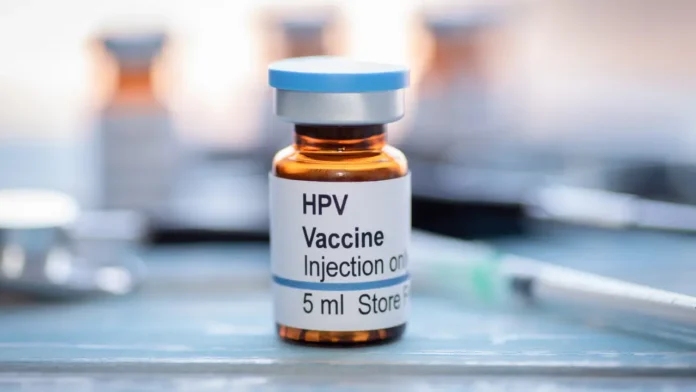
Vaccination has transformed modern healthcare by preventing many dangerous diseases. Among recent medical advances, HPV vaccination stands out because it helps prevent several types of cancer.
The vaccine protects people from infection caused by the human papillomavirus (HPV). This virus spreads easily and often shows no symptoms in the early stages. However, certain types of HPV can cause serious health problems, especially cervical cancer.
For this reason, doctors consider HPV vaccination an important preventive measure. By developing immunity before exposure to the virus, the vaccine reduces the risk of HPV-related diseases later in life.
What Is HPV?
Human papillomavirus, commonly known as HPV, is a group of viruses that infect the skin and mucous membranes. More than 100 types of HPV exist, and many of them affect the genital area.
In most cases, the body clears the infection naturally without causing serious problems. However, some high-risk HPV strains can remain in the body for many years. Over time, these strains may trigger abnormal cell changes that can develop into cancer.
HPV infection is linked to several cancers, including cervical cancer, anal cancer, throat cancer, and cancers of the vagina, vulva, and penis. Because the virus spreads easily and often remains unnoticed, prevention becomes essential.
What Is HPV Vaccination?
HPV vaccination is a preventive medical intervention that protects the body against specific types of the human papillomavirus. The vaccine stimulates the immune system to recognize the virus and respond quickly if exposure occurs in the future.
Unlike medicines that treat diseases after infection, the HPV vaccine works by preventing the infection itself. Once vaccinated, the body develops antibodies that help block the virus from causing harm.
This preventive approach makes HPV vaccination one of the most effective strategies for reducing the risk of cervical cancer and other HPV-related diseases.
Diseases Prevented by HPV Vaccination
HPV vaccination plays a crucial role in preventing several serious health conditions. Its most important benefit is the prevention of cervical cancer, which develops due to long-term infection with high-risk HPV types.
The vaccine also helps reduce the risk of other cancers linked to HPV infection. These include cancers of the anus, throat, vagina, vulva, and penis. In addition, some vaccine types protect against genital warts caused by certain low-risk HPV strains.
By preventing infection from the most dangerous HPV types, the vaccine significantly lowers the chances of developing these diseases later in life.
Importance of HPV Vaccination in India
Cervical cancer remains one of the most common cancers affecting women in India. Thousands of new cases are reported every year, and many women lose their lives due to late diagnosis.
Persistent HPV infection plays a major role in the development of this cancer. Therefore, preventive vaccination can greatly reduce the risk.
Health authorities and medical experts are increasingly encouraging HPV vaccination among adolescent girls. Public health programs and awareness campaigns now focus on expanding access to this life-saving vaccine.
Types of HPV Vaccines
Scientists have developed several vaccines to protect against the HPV strains responsible for most infections and cancers. These vaccines target the high-risk virus types that cause the majority of cervical cancer cases.
Different vaccines provide protection against different combinations of HPV types. Some focus mainly on the high-risk strains linked to cancer, while others also protect against types that cause genital warts.
Advances in vaccine technology have made it possible to provide broader protection against multiple HPV strains through a single vaccination program.
Who Should Receive the HPV Vaccine
Health experts recommend HPV vaccination primarily for children and adolescents. Vaccinating individuals at a younger age ensures protection before exposure to the virus.
The vaccine is usually recommended for girls and boys between 9 and 14 years of age. Teenagers and young adults who missed vaccination earlier can also receive the vaccine.
In certain cases, adults may still benefit from vaccination after consulting a healthcare professional. However, earlier vaccination offers the strongest and most reliable protection.
HPV Vaccination Schedule
The number of doses required depends on the age at which vaccination begins.
Children between 9 and 14 years usually need two doses of the vaccine. The second dose is given several months after the first to strengthen immunity.
Individuals who start vaccination at 15 years or older generally require three doses over a six-month period. This schedule allows the immune system to develop strong and lasting protection against HPV infection.
Safety and Effectiveness of HPV Vaccines
Extensive medical research shows that HPV vaccines are both safe and highly effective. Vaccination significantly reduces the risk of infection from the HPV types responsible for most cervical cancers.
Many studies show that the vaccine can prevent a large majority of infections caused by high-risk HPV strains. As a result, it plays an important role in reducing cancer risk.
Most side effects remain mild and temporary. People may experience slight pain at the injection site, mild fever, headache, or fatigue. These reactions usually disappear within a short time.
The Future of Cervical Cancer Prevention
HPV vaccination offers a powerful opportunity to reduce the global burden of cervical cancer. When vaccination programs combine with regular health screening and early detection, the impact becomes even greater.
Several countries that introduced widespread HPV vaccination have already reported a decline in HPV infections and related diseases. These results show how preventive healthcare can protect future generations.
Conclusion
HPV vaccination represents a major step forward in protecting people from certain cancers and viral infections. By preventing high-risk HPV infections, the vaccine helps reduce the chances of developing cervical cancer and other serious diseases.
Increasing awareness and expanding vaccination programs will play a crucial role in improving public health. With wider access to vaccination, societies can move closer to a future where cervical cancer becomes far less common and far more preventable.

