


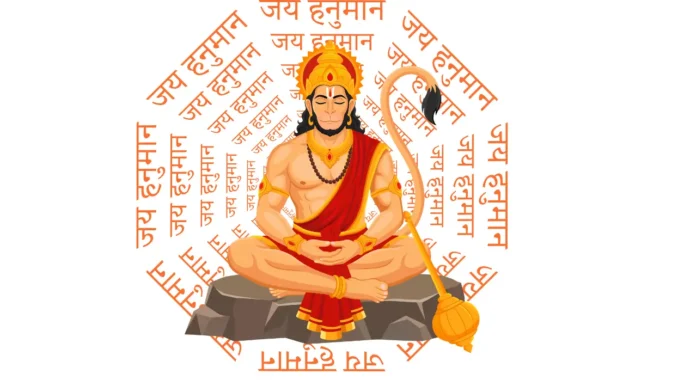
Bada Mangal, also known as Budhwa Mangal, refers to the Tuesdays that fall in the Hindu month of Jyeshtha. These days are dedicated to the worship of Lord Hanuman, symbolizing strength, devotion, and courage.
Compared to regular Tuesdays, Bada Mangal is considered more spiritually powerful. Devotees believe that prayers offered on these days bring quicker blessings and protection from difficulties. The observance is especially popular in North India, where people organize large-scale charity events and community feasts.
Mythological and Spiritual Significance
1. Connection with Lord Rama
According to belief, Lord Hanuman first met Lord Rama during the month of Jyeshtha on a Tuesday. This moment marked the beginning of one of the most powerful bonds of devotion, making the day sacred.
2. Symbol of Strength and Devotion
Hanuman represents:
- Unmatched strength
- Absolute devotion
- Fearlessness
Worshipping him helps devotees overcome fear, enemies, and inner weaknesses.
3. Relief from Planetary Influences
Bada Mangal is often associated with reducing the effects of:
- Mars-related issues (Mangal Dosha)
- Saturn-related challenges
Devotees turn to Hanuman for stability, courage, and relief from life’s obstacles.
4. Importance of Charity and Service
One of the core aspects of Bada Mangal is seva (service). Since the month of Jyeshtha falls in peak summer, offering:
- Drinking water
- Food
- Cooling items
is considered highly virtuous. Many people organize bhandaras (community meals) as an act of devotion.
Bada Mangal Puja Vidhi
Morning Preparation
- Wake up early and take a bath.
- Wear clean clothes, preferably red or saffron.
- Take a vow (sankalp) to observe the fast or perform puja sincerely.
Setting Up the Puja
- Place an idol or image of Lord Hanuman facing east or north.
- Light a ghee lamp.
- Offer:
- Sindoor
- Jasmine oil
- Red flowers
Bhog (Offerings)
- Boondi laddoo
- Jaggery and roasted gram
- Banana or coconut
Recitations
- Chant sacred texts such as:
- Hanuman Chalisa
- Bajrang Baan
- Sundarkand
These recitations are believed to enhance spiritual strength and remove negativity.
Evening Ritual
- Perform aarti and distribute prasad.
- Break the fast with simple, satvik food.
Special Practices to Enhance Benefits
- Reciting Bajrang Baan late at night is considered powerful for removing obstacles.
- Worshipping a peepal tree is believed to balance planetary effects.
- Donating water, food, or essential items during the summer increases spiritual merit.
Dos of Bada Mangal
Observe fast with sincerity
Visit a Hanuman temple
Engage in charity and service
Chant prayers regularly
Feed the needy or organize community meals
Maintain a calm and positive mindset
These practices are believed to bring peace, protection, and prosperity.
Don’ts of Bada Mangal
Avoid non-vegetarian food and alcohol
Stay away from anger and arguments
Do not engage in negative thoughts or actions
Avoid disrespecting elders or the needy
Do not skip prayers out of negligence
Discipline and purity are considered essential on this day.
Spiritual Benefits of Observing Bada Mangal
Observing Bada Mangal with devotion can:
- Remove fear and obstacles
- Strengthen mental and emotional resilience
- Protect from negative influences
- Fulfill wishes and desires
- Bring stability and success
It is seen as a powerful period to connect deeply with divine energy and inner strength.
Conclusion
Bada Mangal is more than a ritual—it reflects a way of life rooted in devotion, discipline, and service. While rituals are important, the true essence lies in selflessness and helping others.
By observing these sacred Tuesdays with sincerity, one can experience not just religious fulfillment but also personal growth and inner peace.

