


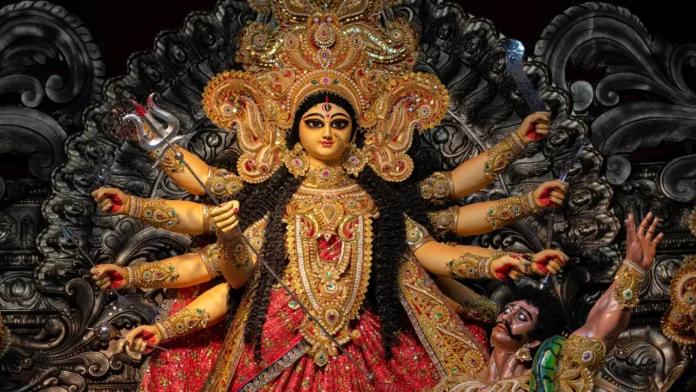
Chaitra Navratri marks a powerful spiritual beginning. It also signals the start of the Hindu New Year in many parts of India. In 2026, the festival begins on 19 March and continues for nine sacred days. During this time, devotees worship Maa Durga in her nine divine forms. They fast, pray, and follow rituals with discipline. Among all these practices, lighting the Akhand Jyoti holds deep importance. It is not just a ritual. It reflects continuous devotion and spiritual awareness.
What is Akhand Jyoti and Why It Matters
Akhand Jyoti is a lamp that burns continuously throughout Navratri. Devotees light it on the first day and ensure it does not extinguish until the end of the festival. This uninterrupted flame symbolizes faith that does not break. It also represents divine presence in the home.
People believe that this Jyoti removes negativity and fills the space with positive energy. It creates a calm environment. It also strengthens spiritual focus. When the flame stays steady, it reflects stability in life.
Spiritual Meaning of Navratri Worship
Navratri is not only about rituals. It is about inner transformation. Each day represents a different form of Shakti. As devotees move through these nine days, they also move toward purification of mind and soul.
Fasting during Navratri helps improve discipline. Prayer enhances focus. Devotion builds emotional strength. Even if someone cannot fast for all nine days, focused worship on key days still brings spiritual benefits. What matters most is sincerity.
Right Direction to Place Akhand Jyoti
Direction plays a crucial role in Vastu. It influences how energy flows in your home. Therefore, choosing the right direction for Akhand Jyoti is essential.
East Direction
Place the Jyoti in the east if you want peace and spiritual growth. This direction connects with divine energies. It also supports harmony in the home.
North Direction
The north direction attracts wealth and stability. It is linked with prosperity. Keeping the Jyoti here supports financial growth and security.
West Direction
This direction is associated with material comfort. It helps improve financial conditions. It also brings stability in life.
South-East Direction (Best Choice)
This is the most ideal direction. It represents the fire element. When you place the Jyoti here, it enhances positivity and growth. It also aligns perfectly with the nature of the flame.
South Direction (Avoid)
Avoid placing the Jyoti in the south. This direction is considered heavy and inauspicious. It may disturb the energy balance of the space.
Rules to Follow While Lighting Akhand Jyoti
To maintain the purity of this ritual, follow these rules carefully.
Start the Jyoti on the first day of Navratri. Keep it burning until the end. Do not blow it out at any point. Let it extinguish naturally if needed. Always use clean and pure ghee or oil.
Choose a wick that can last longer. If you need to change it, light the new wick from the same flame. This keeps the continuity intact.
Place the lamp on grains like rice or wheat. This practice symbolizes abundance. Check the lamp regularly. Add ghee or oil on time. Do not let the flame die suddenly.
Maintain cleanliness around the lamp. Keep the पूजा area calm and pure. Chant mantras while lighting the Jyoti. This increases its spiritual effect.
Mantras to Chant During Akhand Jyoti
Mantras strengthen the connection between the devotee and the divine. When you chant them with focus, they enhance the power of the ritual.
Commonly recited mantras invoke protection, peace, and positivity. They also help in removing negative energies. Chanting daily, even for a few minutes, makes a difference.
Some commonly recited mantras include:
1. Durga Mantra
Om Jayanti Mangala Kali Bhadrakali Kapalini
Durga Kshama Shiva Dhatri Swaha Swadha Namostute
2. Deepa Mantra
Deepajyoti Parabrahma Deepajyoti Janardanah
Deepo Haratu Me Papam Sandhya Deep Namostute
3. Auspicious Prayer
Shubham Karoti Kalyanam Arogyam Dhan Sampada
Shatrubuddhi Vinashaya Deepakaya Namostute
Nine Forms of Maa Durga Worshipped
Each day of Navratri is dedicated to a different form of Maa Durga. These forms represent different aspects of life and energy.
Shailputri represents strength. Brahmacharini symbolizes devotion. Chandraghanta reflects courage. Kushmanda brings creativity. Skandamata represents motherhood. Katyayani stands for power. Kalaratri removes fear. Mahagauri symbolizes purity. Siddhidatri grants wisdom and fulfillment.
As you worship each form, you move closer to inner balance.
Common Mistakes You Should Avoid
Many people follow rituals but overlook small details. These mistakes can reduce the effectiveness of the practice.
Do not let the flame go out suddenly. Avoid placing the Jyoti in the wrong direction. Do not ignore cleanliness. Never use impure materials. Also, avoid performing rituals in a distracted state of mind.
Stay present. Stay focused. That is what truly matters.
Chaitra Navratri is a time to reconnect with yourself. It is not about doing more rituals. It is about doing them with awareness. Akhand Jyoti becomes powerful when it reflects your inner devotion.
When you follow the right direction, rules, and mindset, this simple flame can transform your environment. It can bring peace, clarity, and strength into your life.
Celebrate this Navratri with intention. Let the light of the Jyoti guide you inward.

