


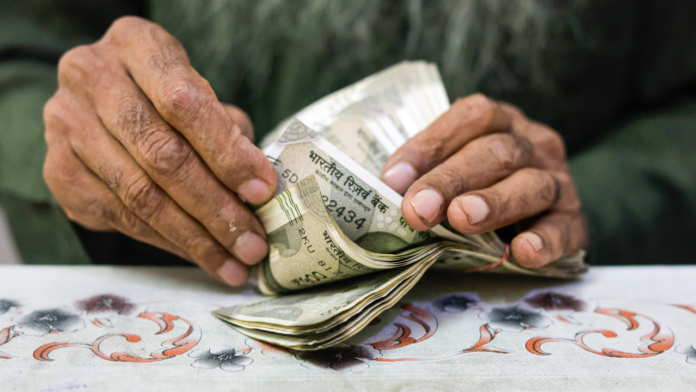
The government has approved a fresh increase in Dearness Allowance (DA), raising it from 58% to 60% of basic pay. This move brings direct financial relief to central government employees and pensioners. It also reflects the ongoing pressure of rising prices on everyday expenses.
The revised rate applies from January 1, 2026. Since the announcement came later, employees will also receive arrears for the previous months. This adds a one-time financial benefit along with the regular salary increase.
Understanding Dearness Allowance in Simple Terms
Dearness Allowance is not an extra reward. It is a necessary adjustment built into the salary structure.
The government uses DA to balance the impact of inflation. As the cost of living rises, DA increases to maintain purchasing power.
It applies to:
- Central government employees
- Pensioners, in the form of Dearness Relief
This system ensures that income does not lose value over time.
Why the DA Increased to 60%
The increase comes from a standard calculation method. The government tracks inflation using a consumer price index linked to industrial workers.
As inflation rises gradually, the DA percentage moves up accordingly. The latest data pushed the DA to around 60%, leading to this 2% hike.
This explains why the increase is moderate and not aggressive. It follows a fixed formula rather than expectations.
How Much Will My Salary Increase
The actual benefit depends on your basic pay.
For example:
- Basic salary: ₹50,000
- Previous DA (58%): ₹29,000
- New DA (60%): ₹30,000
This results in an increase of ₹1,000 per month.
While the amount may look small, it adds up over time and improves overall income stability.
Arrears: The Hidden Benefit
One of the most important aspects of this hike is the arrears.
Since the increase is effective from January 2026, employees will receive back payments for the delayed months.
This means:
- A lump sum payout
- Additional income beyond the monthly increase
Arrears often make the revision feel more substantial in the short term.
Impact on Pensioners
Pensioners also benefit from this revision through Dearness Relief.
The same 2% increase applies to their pension amounts. This helps them cope with rising living costs and maintain financial stability.
For retirees, even a small increase can make a meaningful difference in daily expenses.
Why the Hike Feels Limited
Many employees expected a bigger increase. However, DA revisions follow past inflation trends, not future projections.
Since inflation rose steadily but not sharply, the increase remained limited to 2%.
This makes DA a gradual adjustment rather than a sudden jump.
Connection with the 7th Pay Commission
This revision falls under the structure of the 7th Pay Commission.
Key points to note:
- DA is revised twice every year
- The current hike is the first revision for 2026
- The system continues to follow a consistent formula
While the process remains stable, expectations are building for broader salary reforms in the future.
What It Means for the 8th Pay Commission
The DA has now reached 60%, which is a significant level.
In the past, such levels have triggered discussions about:
- Merging DA with basic salary
- Revising pay structures
- Introducing a new pay commission
With talks around the 8th Pay Commission gaining attention, this increase may play a role in shaping future decisions.
Economic Impact Beyond Salaries
This hike also reflects the broader economic environment.
- Inflation continues to affect household budgets
- Government expenditure increases
- Consumer spending may see a slight boost
At the same time, the moderate hike suggests controlled inflation rather than sharp spikes.
What to Expect Next
The next DA revision is expected around July 2026.
If inflation continues to rise, DA may increase further. However, the exact figure will depend on upcoming economic data.
Employees and pensioners should expect gradual changes rather than sudden jumps.
The Real Takeaway
The increase in DA to 60% is steady and necessary. It may not feel dramatic, but it plays a crucial role in protecting income from inflation.
More importantly, it signals the direction of future salary policies.
In simple terms, this is a measured step that supports financial stability while preparing the ground for larger reforms ahead.

