


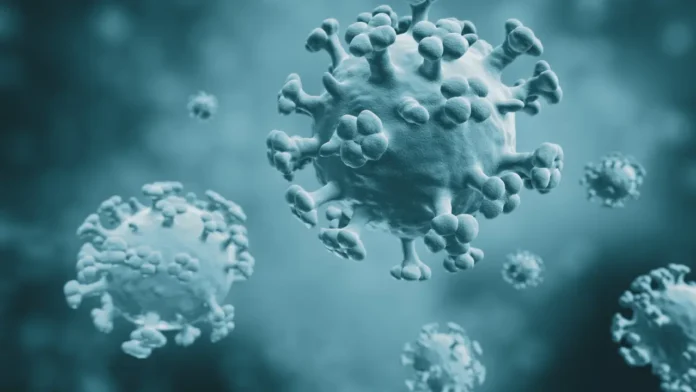
Karnataka has reported its first bird flu outbreak of 2026, raising concern among authorities and the public. The infection, identified as H5N1 avian influenza, surfaced at a poultry facility near Bengaluru.
Officials acted quickly after confirming the virus. They initiated emergency protocols to contain the spread and prevent further damage. The response highlights how seriously such outbreaks are treated in India.
What Triggered the Outbreak
The outbreak began when unusual poultry deaths were reported at a farm. Samples were tested in designated laboratories. Results confirmed the presence of the H5N1 virus, a highly contagious strain among birds.
This virus spreads rapidly within poultry populations. Without immediate action, it can affect nearby farms and disrupt the supply chain.
Therefore, authorities moved without delay.
Mass Culling: Why Thousands of Chickens Were Destroyed
Once the infection was confirmed, officials culled thousands of chickens in the affected zone. This step may appear extreme, but it remains the most effective method to stop the virus.
Culling removes infected and potentially exposed birds. It breaks the chain of transmission. In addition, authorities destroyed eggs, feed, and other materials linked to the farm.
This approach follows standard disease-control protocols used worldwide. It reduces the risk of the virus spreading to other regions.
Containment Zones and Surveillance Measures
Authorities quickly divided the surrounding area into zones to control movement and monitor risk.
- The immediate area around the outbreak was marked as an infected zone
- Nearby regions were placed under surveillance
- Movement of poultry and related products was restricted
Health teams also began monitoring local residents and workers. Officials quarantined individuals who had direct contact with the infected birds.
These steps aim to detect any signs of human exposure at an early stage.
Is Bird Flu Dangerous for Humans?
Bird flu mainly affects birds. However, certain strains like H5N1 can infect humans in rare cases.
Human infection usually occurs through direct contact with infected poultry. It does not spread easily from person to person.
So far, no human cases have been reported in this outbreak. This lowers immediate risk. Still, authorities advise caution.
Basic precautions include:
- Avoid touching dead or sick birds
- Maintain hygiene while handling raw poultry
- Cook chicken and eggs thoroughly
Impact on the Poultry Industry
Even a single outbreak can affect the poultry sector. Farmers may face financial losses due to culling and movement restrictions.
Supply chains may also experience temporary disruption. Consumers often react cautiously, which can reduce demand in the short term.
However, swift containment usually helps restore confidence quickly.
Government Response and Public Advisory
The government has taken a proactive approach. Officials have increased surveillance and tightened biosecurity measures across nearby districts.
Public communication remains clear. Authorities urge people not to panic but to stay alert.
They emphasize that properly cooked poultry remains safe to consume. This message helps prevent unnecessary fear and misinformation.
Why Early Action Matters
Bird flu outbreaks require immediate intervention. Delays can lead to rapid spread across farms and regions.
By acting early, authorities:
- Contain the infection
- Protect the poultry industry
- Reduce risk to humans
This incident shows how preparedness and quick decision-making can limit damage.
The Real Takeaway
The Karnataka bird flu case is serious, but it remains under control. Authorities have responded quickly and followed established protocols.
For the public, awareness is more important than fear. Simple precautions and accurate information can prevent panic.
In the bigger picture, this outbreak highlights the need for constant monitoring in the poultry sector. It also shows how health systems respond when risks emerge.
In short, the situation demands caution—but not concern.

