


When Iran shut the Strait of Hormuz in early March 2026, the world didn’t just lose a shipping lane — it lost the jugular vein of global energy. Roughly a fifth of all seaborne oil passes through this narrow corridor each day, and when it went dark, the ripple effects were felt from American gas stations to Indian restaurant kitchens to European power grids within weeks.
Now, with an uneasy and contested reopening underway — and fresh reports of Iranian forces firing on vessels in the strait as recently as today — the question on everyone’s mind is not whether prices will fall, but how fast, and how far.
Iran fires on ships again, re-closing the strait, after the US signals its naval blockade will continue. Oil markets rattle. The recovery timeline extends further.
The relief is real — but don’t celebrate yet
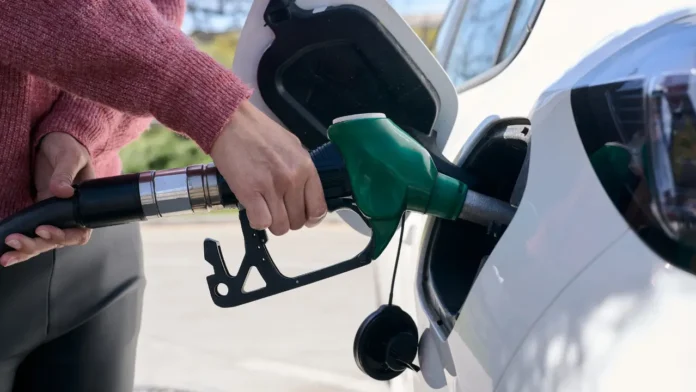
Oil prices did fall sharply when Iran briefly declared the strait open. Brent crude dropped to around $90 a barrel — a notable decline from the peak above $110 — and US crude slipped under $85. For drivers, that shift was beginning to filter through to the pump, with analysts anticipating a meaningful drop in retail gasoline prices.
But the situation reversed within hours. Iran’s decision to fire on vessels and reassert control of the strait has injected fresh uncertainty into markets just as they were beginning to stabilize. The brief window of optimism has narrowed considerably.
“Reopening the Strait of Hormuz eases the near-term squeeze on oil markets, but it’s not a full reset. Damage to gas infrastructure and delayed production mean the price impact could linger for months, even if headline risks fade.”— Angie Gildea, Head of Oil & Gas, KPMG
The math of unwinding a crisis
Patrick De Haan, chief petroleum analyst at GasBuddy, has been one of the more precise voices on the recovery timeline. His analysis is sobering: for every day the crisis persisted, roughly a week of unwinding is required. With the conflict running for approximately 47 weeks, a full normalization — getting gasoline back below $3 a gallon on average — may not happen until late this year or even into 2027.
By Labor Day, De Haan estimates, about half the price increase might be reversed. That means prices could ease, but they are unlikely to feel genuinely affordable again for many months. And that projection assumes continued peace and restored traffic — neither of which is guaranteed as of today.
Adding further drag is the sheer scale of infrastructure damage. Energy consultancy Rystad Energy pegs the repair bill for Middle Eastern oil and gas facilities at up to $50 billion. Critically, even facilities that escaped direct strikes cannot simply flip a switch — production restarts take weeks, since these systems are not engineered for rapid cycling.
Global fault lines exposed
Europe
Already at 30% gas storage capacity entering the crisis, Europe saw Dutch TTF benchmarks nearly double to over €60/MWh. The European Commission urged early storage fills. Jet fuel shortages threatened airport operations.
India
LPG — the primary cooking fuel for hundreds of millions — was the first casualty. Long queues formed. Households switched to kerosene and wood. Gujarat’s ceramics industry shut down. Mumbai restaurants are partially closed.
Gulf States
The Gulf Cooperation Council — whose members rely on the strait for over 80% of their caloric imports — faced a grocery supply emergency. Food prices spiked 40–120%. Iranian strikes on desalination plants raised humanitarian alarm.
United States
Buffered by domestic production, the US saw slower but still significant damage — gasoline rose daily by 5–10 cents per gallon at the peak. Inflation forecasts were revised upward. Consumer purchasing power eroded.
What happens next
The International Energy Agency has called this the largest oil supply disruption in history. What follows now depends almost entirely on geopolitics: whether the US naval blockade eases, whether Iran chooses sustained conflict or negotiated off-ramp, and whether oil infrastructure — including Qatar’s battered LNG facilities — can begin meaningful repairs.
For ordinary consumers, the takeaway is this: prices may soften gradually, but the floor has shifted. The era of sub-$3 gasoline, if it returns at all, is a distant prospect. In the meantime, the crisis has laid bare just how thin the margin is between a functioning global energy system and a fragile one — and how quickly a single chokepoint can upend both.
“For every day that we’ve been at this, it may take a week for a lot of this to unwind. That may take until later this year or early next year to really fully normalize.”— Patrick De Haan, Chief Petroleum Analyst, GasBuddy
This article is based on reporting from NPR, CBS News, Wikipedia’s 2026 Iran War Fuel Crisis page, and KPMG analyst commentary as of April 19, 2026. The situation remains fluid.

