


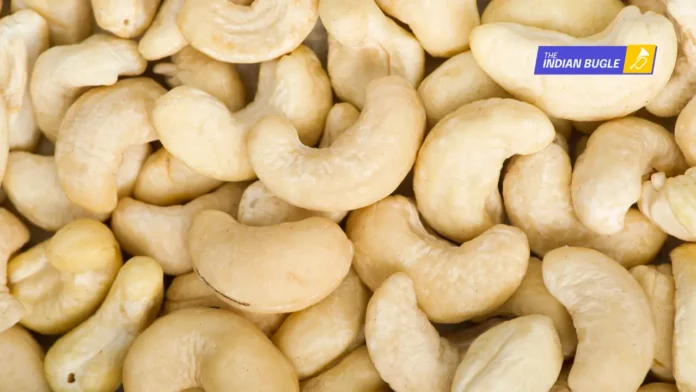
Cashews are among the most popular dry fruits, loved for their creamy taste and versatility. They are rich in healthy fats, protein, vitamins, and minerals. However, cashews are not suitable for everyone. While they offer several health benefits, certain people should limit or avoid them due to specific medical conditions. Understanding who should and shouldn’t eat cashews helps you enjoy them safely and wisely.
Nutritional Value of Cashews
Cashews are packed with nutrients that support overall health. They contain healthy monounsaturated fats, plant-based protein, magnesium, zinc, iron, copper, and vitamin B6. They are also calorie-dense, which makes portion control important, especially for people managing weight or blood sugar levels.
Who Should Eat Cashews
Cashews can be highly beneficial when eaten in moderation by the right individuals.
People With Low Energy or Weak Immunity
Cashews provide quick energy due to their healthy fats and minerals. Zinc and iron help strengthen immunity and reduce fatigue, making them suitable for people feeling weak or exhausted.
Heart Health-Conscious Individuals
The healthy fats in cashews help improve good cholesterol levels when consumed in controlled quantities. Magnesium supports healthy blood pressure, which can benefit heart health.
Vegetarians and Protein Deficient Individuals
Cashews are a good plant-based protein source. They help meet daily protein needs, especially for vegetarians who lack diverse protein options.
People With Bone and Joint Issues
Magnesium and phosphorus in cashews support bone strength. Regular but limited intake can help people dealing with joint pain or early bone density loss.
Those Looking to Gain Healthy Weight
Due to their high calorie content, cashews can support healthy weight gain when included in a balanced diet, especially for underweight individuals.
Who Should Not Eat Cashews
Despite their benefits, cashews can be harmful for some people if consumed without caution.
People With Nut Allergies
Cashews can trigger severe allergic reactions in sensitive individuals. Symptoms may include itching, swelling, breathing difficulty, or digestive discomfort. Such people should completely avoid cashews.
Diabetic Patients
Cashews have a low glycaemic index but are high in calories and fats. Overconsumption can affect blood sugar control. Diabetic individuals should eat only small portions after medical advice.
People Trying to Lose Weight
Cashews are calorie-dense. Eating them frequently or in large quantities can slow down weight loss efforts. Portion control is essential for those on a weight loss plan.
Individuals With Kidney Stones
Cashews contain oxalates, which may contribute to kidney stone formation in susceptible individuals. People with a history of kidney stones should limit their intake.
People With Digestive Issues
Cashews can be heavy to digest for some people, especially when eaten raw or in excess. They may cause bloating, acidity, or stomach discomfort.
Raw vs Roasted Cashews: Which Is Better?
Raw cashews retain more nutrients but can be harder to digest for some people. Lightly roasted cashews are easier on the stomach but may contain added salt or oil. Unsalted, dry-roasted cashews are generally the better option for regular consumption.
How Many Cashews Should You Eat Daily?
A safe and healthy quantity is about 5 to 10 cashews per day. This amount provides nutritional benefits without adding excess calories or fat to your diet.
Best Time to Eat Cashews
Cashews can be eaten in the morning with breakfast or as a mid-day snack. Avoid eating them late at night, as they may feel heavy and affect digestion.
The Bottom Line
Cashews are nutritious and beneficial when eaten in moderation, but they are not suitable for everyone. People with allergies, diabetes, kidney issues, or weight concerns should be cautious. Like any dry fruit, cashews work best as part of a balanced diet, not as an excessive snack. Knowing your body’s needs and limitations is the key to enjoying cashews safely and effectively.

