


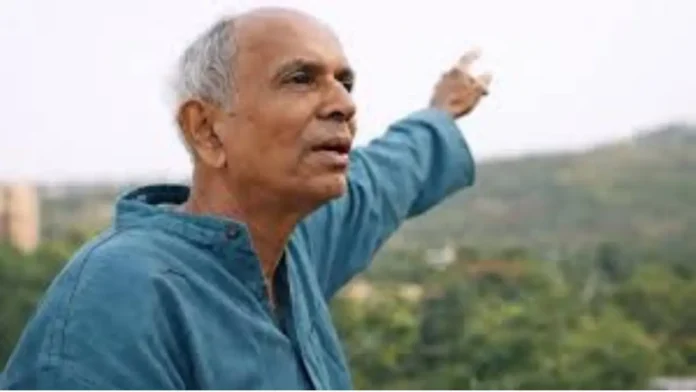
Madhav Gadgil died on January 7, 2026, in Pune at 83. He leaves a rare combination of deep science and fierce public engagement. He built institutions, advised governments, and argued that conservation must include people. This article explains what he did, why it mattered, and what we lose with his passing.
Early life and academic roots
Gadgil trained as an ecologist in India and abroad. He joined the Indian Institute of Science and helped found the Centre for Ecological Sciences. He taught generations of ecologists. He preferred fieldwork and simple measurements over fashionable theory. As a result, his science stayed practical and rooted in place.
Gadgil advanced how India studies ecosystems. He developed methods to map biodiversity and assess ecological sensitivity. He promoted long-term field studies, community participation in data collection, and interdisciplinary teams. Consequently, his work bridged academic rigour and local knowledge.
The Western Ghats report — bold and contested
In 2010, Gadgil chaired the Western Ghats Ecology Expert Panel. The panel produced a detailed classification of ecologically sensitive zones and recommended strong protection. He framed conservation as a duty to future generations and argued for restricting harmful projects in fragile areas. The report generated intense debate. Local governments and industry pushed back. Political controversy followed, but the report changed policy conversations about forests, rivers and hill ecology.
Community-centric conservation — a moral code
Gadgil insisted that conservation must empower local people. He argued that top-down bans often alienate the communities that sustain landscapes. Therefore, he advocated cooperative forest management, traditional rights recognition, and livelihood-friendly rules. His approach combined ethics and ecology. It also offered practical routes to protect biodiversity while sustaining rural lives.
He built the Centre for Ecological Sciences into a national hub. He mentored students who now lead research and conservation projects across India. He cultivated a culture of curiosity, honesty and patience. Many practitioners recall his calm insistence on checking facts and listening to local voices.
Recognition and later years
Gadgil’s work earned national and international recognition late in his life. He received major environmental awards and continued to write and speak publicly. Even after the controversies, colleagues and policymakers sought his counsel on complex conservation problems. He remained active in mentoring and advocacy until his final years.
Why his passing matters
Gadgil’s death removes a rare voice that combined scientific depth with moral clarity. India faces accelerating pressure on forests, coasts and mountains. Gadgil offered tools and principles to manage that pressure: rigorous science, local participation and precaution. Without him, those tools continue, but the moral force behind them weakens.
What stays with us
His key lessons endure: protect ecological cores, involve communities, and value long-term data. Institutions he built will persist. His students and reports will continue to shape debates. Above all, he taught that conservation asks not only for knowledge but also for courage and care.
Madhav Gadgil did more than write reports. He reshaped how India thinks about nature and people. He fought for uncomfortable truths. He trained those who will carry the work forward. As the nation grieves, it must also renew the commitments he championed: respectful science, community rights, and precaution for the future.

