


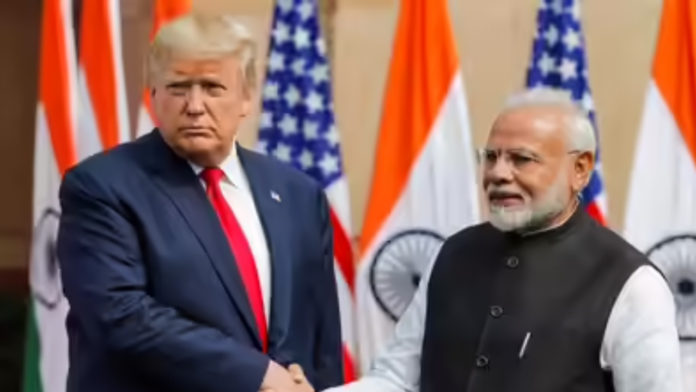
In a significant move that could reshape India–U.S. trade ties, the United States has announced a reduction in tariffs on Indian imports from 25% to 18%. The decision reflects a softening of stance after a period of trade friction and is being seen as a positive signal for Indian exporters and global markets.
The announcement came from Donald Trump, who indicated that the tariff cut is part of a broader effort to recalibrate trade relationships and encourage cooperation with key partners, including India.
What the Tariff Cut Means
A tariff is a tax imposed on imported goods. When tariffs fall, imported products become more competitive in the destination market. The reduction from 25% to 18% means Indian goods entering the U.S. will now face a lower tax burden, potentially improving demand and pricing for Indian exporters.
This change could benefit sectors such as textiles, engineering goods, gems and jewellery, and other manufacturing segments that had faced pressure due to higher duties earlier.
Background to the Decision
The tariff reduction follows high-level engagement between Washington and New Delhi. Trade tensions had increased in the past year after the U.S. imposed higher duties on certain Indian products, citing trade imbalances and strategic concerns.
Recent diplomatic outreach, including discussions involving Narendra Modi, appears to have helped ease those tensions. The move suggests a willingness on both sides to stabilise economic ties and avoid prolonged trade disputes.
Impact on Indian Exporters
For Indian exporters, the lower tariff offers immediate relief. Reduced duties can help regain lost competitiveness in the U.S. market, especially for price-sensitive products. Exporters who had seen shrinking orders due to higher costs may now find renewed interest from American buyers.
However, industry experts caution that the full benefit will depend on how quickly companies adjust pricing and whether further trade concessions follow.
Strategic and Economic Implications
Beyond commerce, the decision carries strategic weight. The U.S. has been pushing for stronger economic partnerships in the Indo-Pacific region, while India is actively diversifying its trade relationships amid shifting global supply chains.
The tariff cut also hints at ongoing negotiations on broader trade issues, including market access, energy cooperation and long-term tariff rationalisation.
What Lies Ahead
While the immediate reduction to 18% is a positive development, it may not be the final step. Trade talks between India and the U.S. are expected to continue, with both sides exploring ways to deepen economic engagement and reduce barriers further.
For now, the move brings cautious optimism. It eases pressure on Indian exporters, reassures markets, and signals that both countries are open to dialogue rather than escalation.
Analysts say that India’s trade strategy is evolving as global supply chains shift, and countries diversify markets beyond traditional partners. The tariff reduction with the U.S. and the EU trade pact reflect this larger shift.
Bottom Line
The U.S. decision to lower tariffs on Indian goods marks a notable shift in trade policy. It does not end all trade challenges, but it creates space for cooperation and growth. For Indian businesses targeting the U.S. market, the development offers a timely boost and a chance to rebuild momentum.

