


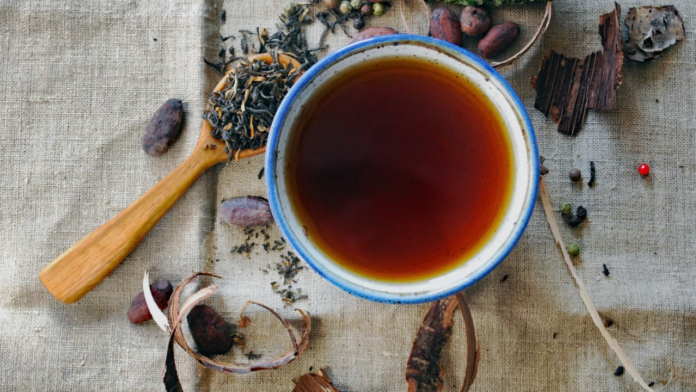
Finest Teas of India: A Journey Through the Country’s Rich Tea Heritage. Tea is more than a beverage in India. It is a cultural institution, an economic powerhouse, and a daily ritual shared by millions. From the mist-covered slopes of Darjeeling to the sprawling tea estates of Assam and the fragrant plantations of the Nilgiris, India produces some of the world’s most celebrated teas.
As the second-largest tea producer globally, India contributes significantly to the international tea market while maintaining one of the world’s largest domestic tea-consuming populations. Tea cultivation supports millions of livelihoods and forms an essential part of the country’s agricultural economy.
Yet, Indian tea is not a single product. It is a diverse universe of flavors, aromas, traditions, and terroirs that vary dramatically across regions.
Understanding Indian Tea: How Geography Shapes Flavor
The flavor of tea is influenced by a combination of factors known as terroir, including climate, altitude, soil composition, rainfall, and cultivation practices.
Tea grown in the cool Himalayan foothills develops characteristics entirely different from tea cultivated in the tropical plains of Assam. Even neighboring tea gardens can produce noticeably different flavor profiles depending on local conditions.
This diversity is one reason India remains one of the most respected tea-producing nations in the world.
Assam Tea: The Bold Heart of Indian Tea
Located in northeastern India, Assam is the country’s largest tea-producing region. The fertile floodplains of the Brahmaputra River, combined with high humidity and abundant rainfall, create ideal conditions for tea cultivation.
Flavor Profile
Assam tea is known for:
- Strong body
- Malty flavor
- Deep amber liquor
- Rich aroma
- High caffeine content
Its bold character makes it particularly suitable for milk-based tea preparations, including the famous masala chai.
Why Assam Tea Is Special
Unlike many tea-growing regions around the world, Assam is home to a native tea variety known as Camellia sinensis var. assamica. This plant naturally produces larger leaves and stronger flavors than many Chinese tea varieties.
Today, Assam tea remains one of the most widely consumed black teas globally.
Darjeeling Tea: The Champagne of Teas
Nestled in the Himalayan foothills of West Bengal, Darjeeling produces some of the world’s most prestigious teas.
The region’s high altitude, cool climate, and unique soil conditions contribute to a flavor profile unlike any other tea.
Flavor Profile
Darjeeling tea is celebrated for:
- Floral aroma
- Muscatel notes
- Delicate body
- Natural sweetness
- Complex finish
The Famous Flushes
Darjeeling tea is harvested in distinct seasons known as flushes.
First Flush
Harvested in spring, first-flush teas are light, delicate, and highly aromatic.
Second Flush
Produced during early summer, second-flush teas are prized for their muscatel character and fuller flavor.
Autumn Flush
Autumn teas offer deeper flavors and a richer cup.
Because of its unique characteristics and limited production, Darjeeling tea commands premium prices worldwide.
Nilgiri Tea: The Fragrant Treasure of South India
The Nilgiri Hills in southern India form one of the country’s most important tea-growing regions.
Unlike Darjeeling and Assam, Nilgiri tea is harvested almost throughout the year due to favorable climatic conditions.
Flavor Profile
Nilgiri tea is known for:
- Bright liquor
- Smooth texture
- Floral aroma
- Fruity undertones
- Clean finish
Its versatility makes it popular in tea blends and iced tea preparations.
Kangra Tea: India’s Hidden Gem
The Kangra Valley of Himachal Pradesh has a long but often overlooked tea-producing history.
Although production declined following a devastating earthquake in 1905, the region has experienced renewed interest in recent years.
Flavor Profile
Kangra tea offers:
- Floral notes
- Light body
- Natural sweetness
- Smooth finish
Tea connoisseurs often compare its elegance to high-quality Chinese teas.
Sikkim Tea: The Organic Revolution
Sikkim has emerged as one of India’s most promising tea regions.
The state’s emphasis on organic agriculture has helped establish its reputation among environmentally conscious consumers.
Why Sikkim Tea Is Growing in Popularity
- Organic cultivation practices
- High-altitude growing conditions
- Sustainable farming methods
- Premium quality production
The region’s teas combine the floral delicacy of Himalayan teas with distinct local characteristics.
White Tea: India’s Premium Luxury Tea
White tea represents one of the most exclusive categories of Indian tea.
Made primarily from young buds and unopened leaves, white tea undergoes minimal processing.
Benefits of White Tea
- High antioxidant content
- Delicate flavor
- Low bitterness
- Natural sweetness
Production remains limited, contributing to its premium status.
Green Tea: India’s Health-Focused Beverage
Growing health awareness has increased demand for Indian green tea.
Unlike black tea, green tea is minimally oxidized, preserving many natural compounds.
Popular Green Tea Regions
- Assam
- Kangra
- Darjeeling
- Sikkim
Consumers value green tea for its antioxidant properties and refreshing taste.
Oolong Tea: The Emerging Specialty Category
Oolong tea occupies a middle ground between black and green tea.
Partially oxidized leaves create complex flavor profiles featuring floral, fruity, and roasted characteristics.
Although production remains limited in India, interest in premium oolong tea continues to grow.
Masala Chai: India’s Most Beloved Tea Tradition
While specialty teas attract international attention, masala chai remains the nation’s most iconic tea beverage.
What Makes Masala Chai Unique?
Traditional masala chai combines:
- Black tea
- Milk
- Sugar
- Cardamom
- Ginger
- Cinnamon
- Cloves
- Black pepper
Each household develops its own recipe, creating countless regional variations.
A Symbol of Indian Culture
Masala chai transcends social and economic boundaries.
It is served in homes, roadside stalls, offices, railway stations, and luxury hotels alike. Few beverages unite such a diverse population.
Herbal Teas and Traditional Infusions
India’s tea culture extends beyond conventional tea leaves.
Popular herbal infusions include:
Tulsi Tea
Known for its aromatic flavor and traditional wellness associations.
Lemongrass Tea
Refreshing and citrusy.
Ginger Tea
Widely consumed during colder months.
Hibiscus Tea
Valued for its vibrant color and tart flavor.
Moringa Tea
Increasingly popular among health-conscious consumers.
The Economic Importance of Tea in India
Tea is among India’s most important agricultural commodities.
Industry Highlights
- Millions are employed directly and indirectly
- Significant export earnings
- Major contributor to rural economies
- An important source of livelihood for plantation communities
Key tea-producing states include:
- Assam
- West Bengal
- Tamil Nadu
- Kerala
- Himachal Pradesh
- Sikkim
The industry continues to evolve through modernization, sustainability initiatives, and growing international demand.
Challenges Facing the Indian Tea Industry
Despite its success, the sector faces several challenges.
Climate Change
Changing rainfall patterns and rising temperatures affect crop yields and quality.
Labor Issues
The industry relies heavily on skilled manual labor, creating ongoing workforce challenges.
Market Competition
Tea producers compete with emerging tea-growing nations and changing consumer preferences.
Nevertheless, India’s reputation for quality tea remains strong.
The Future of Indian Tea
Global consumers increasingly seek authentic, premium, and sustainable products. This trend presents significant opportunities for Indian tea producers.
Demand for:
- Organic teas
- Specialty teas
- Single-origin teas
- Wellness-focused beverages
continues to rise worldwide.
As a result, India’s tea industry is well-positioned for long-term growth.
Conclusion
India’s tea landscape is remarkably diverse, ranging from the bold strength of Assam tea to the delicate elegance of Darjeeling and the fragrant charm of Nilgiri tea. Each variety reflects the geography, climate, and cultural heritage of its region.
Whether enjoyed as a premium single-origin brew or as a comforting cup of masala chai shared with friends and family, tea remains deeply woven into India’s identity. Its enduring popularity is a testament to a tradition that continues to evolve while preserving centuries of history.
For tea lovers around the world, India remains one of the most fascinating and influential destinations in the global tea story.

