


The tradition of dahi-chini is not limited to homes or personal milestones. It is also visible at the highest levels of governance. Ahead of the Union Budget presentation, Droupadi Murmu is seen feeding dahi-chini to Nirmala Sitharaman before she leaves for Parliament.
This moment is symbolic, not ceremonial excess. The Budget is one of the most demanding tasks in public life, involving pressure, responsibility, and national expectations. Offering dahi-chini before such an event reflects the same belief held in ordinary households — begin important work with calmness, clarity, and positivity.
The gesture also shows how deeply rooted Indian traditions remain, even in modern constitutional roles. It quietly reinforces the idea that emotional reassurance and mental steadiness matter as much as preparation and expertise.
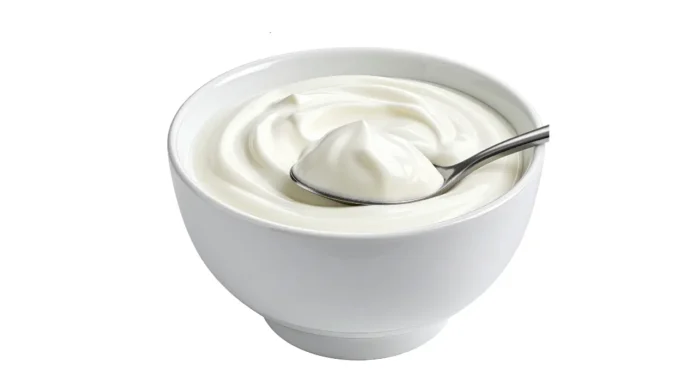
Before a journey, an exam, or a major decision, many Indian families offer a spoon of dahi-chini. Elders call it shagun. Children accept it without question. Over time, the ritual became a symbol of good luck. Yet, behind this simple act lies a mix of biology, psychology, and Ayurvedic wisdom. This article explains why the practice continues to make sense, even today.
What actually happens in the body
Dahi, or curd, is gentle on the stomach when fresh and taken in small amounts. It supports digestion and helps the gut remain calm. A settled stomach sends fewer stress signals to the brain. This matters because anxiety often begins in the gut before it reaches the mind.
Chini, or sugar, raises blood glucose quickly. The brain depends on glucose for immediate energy. A small amount can improve alertness and concentration for a short period. Together, dahi and sugar create a brief state of physical ease and mental readiness.
The psychological effect of the ritual
Beyond nutrition, the ritual itself plays a strong role. When someone eats dahi-chini before an important task, the brain associates the moment with support, care, and positivity. Over time, this becomes a conditioned response. Stress reduces. Confidence increases. The mind feels prepared. This mental shift alone can improve performance, especially in stressful situations.
The Ayurvedic perspective
Ayurveda focuses on balance rather than luck. According to its principles, dahi consumed correctly can calm restlessness and provide stability. Sugar, when taken in moderation, is considered nourishing and cooling. Together, they help settle the mind and body before action.
Ayurveda also places importance on sattvic food. Such food is light, calming, and clarity-enhancing. Fresh dahi-chini fits this category when eaten during the day and in small quantities. The aim is not indulgence, but steadiness.
Why do elders insist on “just one spoon”
Traditionally, the quantity was kept minimal. This was intentional. Too much sugar creates heaviness and later fatigue. Excess curd can disturb digestion in some people. One spoon offers comfort without burden. The wisdom lies in restraint, not excess.
When dahi-chini can genuinely help
It can be useful before short exams, interviews, or presentations where calm focus matters. It may help at the start of a journey by preventing an uneasy stomach. It also works as an emotional anchor when someone feels nervous or uncertain. In these moments, the ritual supports both mind and body.
When it should be avoided
Dahi-chini is not suitable for everyone. People with diabetes, lactose intolerance, or severe digestive issues should avoid it. Ayurveda also discourages curd at night or during illness. In such cases, alternatives like fruit, nuts, or warm water work better.
Common misunderstandings
Dahi-chini does not control outcomes or destiny. It does not replace preparation, effort, or skill. It simply creates a better internal state. Also, more sugar does not mean more benefit. In fact, excess sugar works against the very calm the ritual intends to create.
The real reason the ritual survived
Traditions that harm people fade away. Dahi-chini stayed because it worked quietly. It soothed nerves, supported digestion, and gave people a sense of reassurance before stepping into the unknown. Over generations, this practical benefit turned into belief.
Conclusion
Dahi-chini is not magic. It is mindful nutrition paired with emotional reassurance. It prepares the body gently and steadies the mind subtly. When used thoughtfully, it becomes a small but meaningful pause before action. In a fast world, that pause itself often makes all the difference.

