


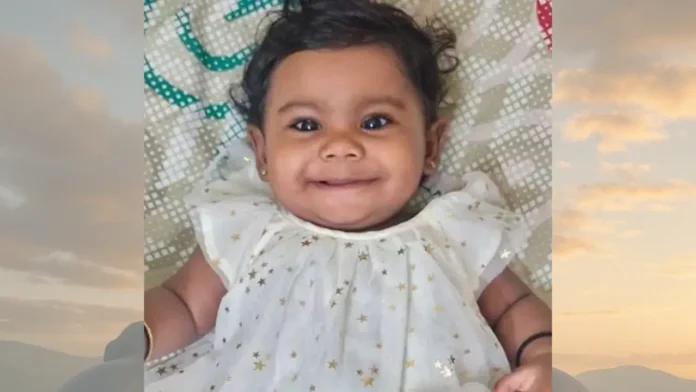
Aalin Sherin Abraham was a young child from Kerala whose organ donation made history in the state. She became Kerala’s youngest organ donor, a distinction that carries emotional weight rather than statistical pride. Her story stands as a rare example of pediatric organ donation in India and highlights how informed consent, medical clarity, and parental courage can save multiple lives.
The tragedy that led to a life-saving decision
Aalin suffered a critical medical condition that led to irreversible brain damage. Despite intensive medical care, doctors determined that recovery was no longer possible. After following strict neurological protocols, the medical team declared brain death. At this point, her parents faced a choice no family ever prepares for. They chose organ donation so that other children could live.
Understanding brain death in children
Brain death differs from coma. It means complete and irreversible loss of all brain function. In pediatric cases, doctors apply even stricter safeguards. Specialists conduct repeated clinical tests. Independent doctors confirm findings. Only after full legal compliance can organ donation proceed. In Aalin’s case, the declaration followed established national guidelines, ensuring medical certainty and ethical integrity.
Legal framework for pediatric organ donation in India
Indian law allows organ donation from minors under the Transplantation of Human Organs and Tissues Act. However, consent must come from parents or legal guardians. Authorities require detailed documentation, counseling, and verification. Hospitals must also inform transplant coordinators and state-level networks before retrieval. These steps protect families and ensure transparency throughout the process.
The role of parental consent
Parental consent remains the most critical element in child organ donation. Doctors can only explain the option. Families decide. Aalin’s parents chose donation after counseling and reflection. Their decision allowed multiple organs to be retrieved and allocated to waiting recipients. This act transformed personal loss into collective hope.
Medical coordination and transplant process
Once consent was given, transplant coordinators moved quickly. Timing matters because organs remain viable for limited hours. Surgical teams prepared for retrieval under sterile conditions. Allocation followed medical urgency and compatibility. Each step required coordination across hospitals and specialists, showing how complex yet precise organ donation systems can work when supported.
Why is pediatric organ donation rare
Child organ donation remains uncommon in India due to several factors. Families struggle with emotional acceptance. Misunderstandings about brain death persist. Fear of legal complications also plays a role. Aalin’s case helped address these fears by demonstrating that donation respects dignity, follows the law, and saves lives.
Impact on organ donation awareness in Kerala
Aalin Sherin Abraham’s story sparked conversations across Kerala. Hospitals used her case to explain pediatric donation protocols. Awareness campaigns referenced her story to encourage families to consider donation in moments of crisis. Her case also highlighted the importance of trained transplant counselors in helping families make informed decisions.
Ethical considerations and compassion in care
Pediatric organ donation raises ethical questions. Doctors must balance urgency with sensitivity. Families need clarity without pressure. In Aalin’s case, transparent communication ensured ethical care. The process respected the child’s dignity and the family’s emotional boundaries, setting an example of compassionate medical practice.
Lives saved and a lasting legacy
While privacy laws protect recipient identities, medical authorities confirmed that Aalin’s donated organs benefited multiple patients. For families waiting for transplants, her donation meant a second chance at life. Her legacy continues in every child who breathes, heals, or grows because of that decision.
Why her story remains relevant
India faces a severe shortage of organs, especially for pediatric transplants. Awareness and early consent save crucial time. Aalin’s story reminds society that organ donation is possible at any age when conditions allow. It also shows that one family’s courage can inspire systemic change.
Key facts at a glance
• Kerala’s youngest recorded organ donor
• Pediatric brain death confirmed through strict protocols
• Donation approved under Indian transplant law
• Multiple lives saved through coordinated medical effort
• Sparked statewide awareness on child organ donation
Aalin Sherin Abraham did not choose to become a symbol. Yet, through her parents’ strength, she became one. Her story is not about loss alone. It is about life continuing through others. In moments of unimaginable grief, her family chose hope. That choice still speaks to families, doctors, and patients across the country.

