


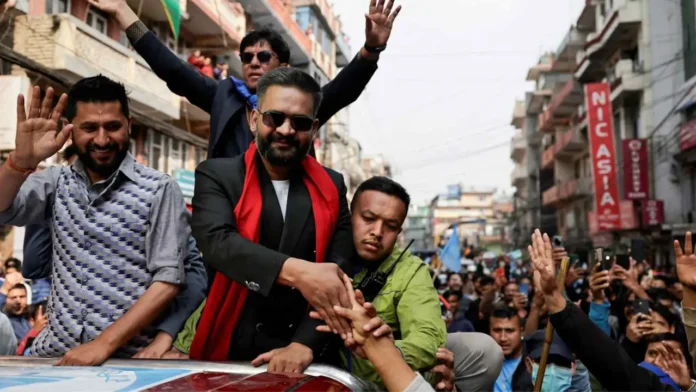
Nepal’s parliamentary election in 2026 has produced one of the most dramatic political shifts in the country’s recent history. Voters across the nation participated in a closely watched election that many observers describe as a turning point for Nepal’s democracy. Early counting trends show a strong surge for new political forces, signaling that voters are seeking change after years of political instability and governance challenges.
The election determines the composition of the 275-member House of Representatives, Nepal’s lower house of parliament. Out of these seats, 165 members are chosen through direct elections in constituencies, while the remaining 110 are allocated through proportional representation based on party vote share.
Balen Shah’s Political Surge
One of the biggest developments in the election is the remarkable rise of Balen Shah. Known earlier for his career in music and later for his leadership as mayor of Kathmandu, Shah has emerged as a powerful political figure at the national level.
His political movement has attracted strong support from young voters and urban communities who want reforms in governance, transparency, and economic development. Early vote counts indicate that candidates aligned with his political platform are performing strongly in several constituencies across the country.
This surge reflects a broader shift in Nepal’s political mood, where many citizens are looking for alternatives to traditional political parties that have dominated the system for decades.
A Setback for Traditional Parties
For many years, Nepal’s political landscape has been led by established parties that shaped the country’s transition to democracy and the drafting of its constitution. However, the current election suggests that public confidence in these parties has weakened.
Several traditional parties appear to be trailing behind in multiple constituencies. The results indicate that voters are willing to experiment with new leadership and fresh political ideas.
This change does not simply represent a routine electoral contest. Instead, it points to a deeper transformation in public expectations regarding governance and accountability.
Seat Trends and Early Results
Vote counting is still underway in several regions, particularly in remote mountainous areas where ballot transportation takes longer. However, early trends provide a clear picture of the emerging political direction.
Candidates associated with newer political movements are leading in a significant number of constituencies. Meanwhile, long-established parties are securing fewer seats than expected in several key districts.
These early numbers may continue to change as counting progresses, yet the overall pattern suggests a strong appetite for political renewal among voters.
Why This Election Matters
The 2026 election holds special significance because it comes after a period of political frustration among citizens, particularly young voters. In recent years, many people expressed concerns about corruption, slow economic progress, and limited employment opportunities.
As a result, political participation among younger generations increased sharply. Many voters supported candidates who promised transparent governance, better public services, and stronger economic reforms.
This election therefore reflects not only a contest between parties but also a generational shift in political priorities.
What Happens After the Results
Once the final results are confirmed, political parties will begin negotiations to form the next government. In Nepal’s parliamentary system, a party or coalition must secure a majority in the House of Representatives to form the government.
If one party achieves a clear majority, it can form the government independently. However, if no party reaches that threshold, coalition discussions will determine the next leadership structure.
These negotiations will shape Nepal’s political direction for the coming years.
A Turning Point for Nepal’s Democracy
The emerging results from the 2026 election suggest that Nepal is entering a new political phase. Voters have shown that they are willing to challenge established power structures and support leaders who promise reform and accountability.
Such changes often mark important moments in democratic systems. They encourage political renewal and open opportunities for new ideas and leadership styles.
Conclusion
Nepal Election 2026 is more than a routine electoral event. It represents a significant shift in the country’s political landscape. The rise of new leaders and the changing fortunes of traditional parties highlight a growing demand for transparency, development, and effective governance.
As final results continue to emerge, one message from voters already appears clear. Nepalese citizens want a political system that responds to their aspirations and delivers meaningful change.

