


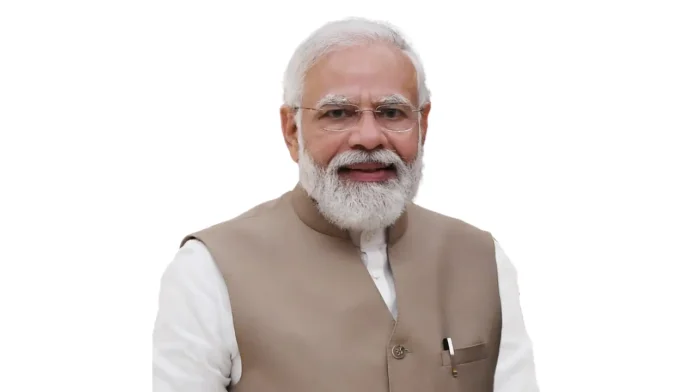
Some moments quietly enter history. Others redefine it. Narendra Modi’s latest milestone falls into the second category. He has now become the longest-serving head of a democratically elected government in India, completing 8,931 days in office. This achievement reflects not just time in power, but a long and uninterrupted political journey that has shaped modern India.
What This Record Really Means
This record combines two major phases of leadership. It begins with his tenure as the Chief Minister of Gujarat and continues through his years as the Prime Minister of India. What makes this milestone unique is continuity. There has been no break in his role as an elected head of government. That uninterrupted stretch is what sets this record apart from others in Indian politics.
The Journey Behind the Numbers
Narendra Modi’s political rise started at the state level. In 2001, he took charge as Gujarat’s Chief Minister. Over time, he built a strong political base and governance model.
In 2014, he moved to the national stage and became Prime Minister. This transition marked a significant shift in his political career.
He returned to power in 2019 with a stronger mandate. Then again in 2024, he secured a third consecutive term. This rare electoral consistency explains how the 8,931-day milestone was reached.
Why This Milestone Matters
At first, the number may seem symbolic. However, its deeper meaning lies in what it represents.
It reflects political stability over a long period. In a country where leadership often changes, such continuity is uncommon.
It also signals sustained public support. Winning elections repeatedly requires more than strategy. It requires a consistent connection with voters.
In addition, long tenures allow governments to focus on long-term policies rather than short-term gains.
A Unique Case in Democracy
Long leadership tenures are often seen in less competitive systems. In contrast, this record has emerged within a vibrant and competitive democracy.
That distinction matters. It shows that extended leadership can still come through electoral validation.
At the same time, such a long tenure naturally invites discussion. Some view it as a sign of strong governance. Others see it as a concentration of political influence. Both perspectives are part of a healthy democratic debate.
A New Benchmark in Indian Politics
India has witnessed influential leaders in the past. However, this milestone creates a new category. Narendra Modi now holds the record for the longest continuous tenure as a head of government across both state and national levels.
This sets a benchmark that may take years, or even decades, for another leader to match.
Looking Ahead
This achievement is not a conclusion. It is part of an ongoing journey. Narendra Modi continues to serve as Prime Minister, which means the record could extend further.
Observers are now closely watching for what new milestones may follow. The coming years will determine how this phase of leadership evolves.
Conclusion
The 8,931-day milestone is more than a statistic. It tells a story of continuity, endurance, and political influence.
It also reflects how leadership, when sustained over time, shapes governance and public perception.
Ultimately, this record is not just about one individual. It is about the evolving nature of democracy in India and the kind of leadership it produces.

