


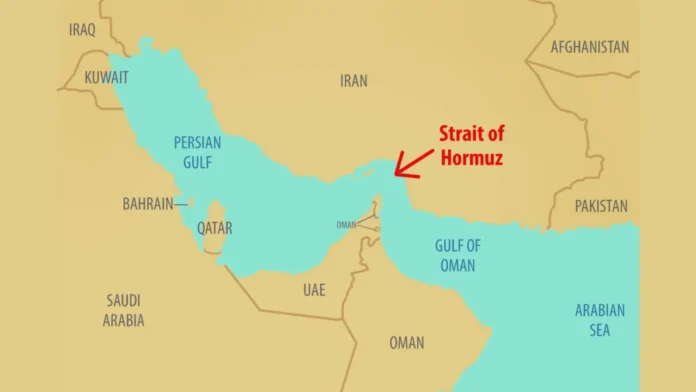
The Strait of Hormuz has once again become one of the most sensitive regions in the world. This narrow waterway plays a crucial role in global oil transport. When tensions escalated in 2026, the impact was immediate and widespread. For India, which depends heavily on energy imports, the situation raised serious concerns. The big question now is whether the Strait is open for India. The answer is complex and requires a closer look.
What Triggered the Crisis in 2026
The crisis began after rising military tensions in the Middle East. As the conflict intensified, Iran took a strong position on controlling movement through the Strait.
This move disrupted normal shipping activity. Many vessels either delayed their journeys or avoided the route entirely due to safety risks. As a result, global supply chains experienced sudden pressure.
Iran’s Approach: Controlled Access Instead of Full Closure
Rather than shutting the Strait completely, Iran adopted a selective strategy. It allowed passage only to countries it considered neutral or friendly.
India falls into this category. Because of its balanced diplomatic stance, India has not been treated as a hostile player.
However, access is not automatic. Ships must follow strict protocols. Authorities monitor movement closely. This makes the process slower and more controlled than usual.
So, while the Strait is technically open for India, it does not function like a normal trade route.
India’s Position: Opportunity with Constraints
India has managed to maintain access, which is a significant advantage in such a tense situation.
Positive factors for India
India’s neutral approach has helped it maintain working relations with key countries in the region. This has allowed Indian vessels to continue moving through the Strait, even during uncertain times.
Some shipments, especially energy cargo, have successfully reached Indian ports.
Ongoing challenges
Despite this access, the situation remains far from stable.
Ships often face delays while waiting for approvals.
Security risks remain high.
Shipping costs have increased due to higher insurance premiums.
So, access exists, but it comes with conditions and uncertainty.
Why the Strait Matters Deeply to India
The Strait of Hormuz is vital for India’s energy security.
- A major portion of India’s crude oil imports passes through this route
- Liquefied petroleum gas and natural gas shipments also depend on it
- Any disruption directly affects fuel availability and pricing
Because of this dependence, even partial restrictions can create ripple effects across the economy.
Ground Reality: Open, But Not Smooth
In practical terms, the Strait is not functioning normally.
- Military activity in the region remains high
- Shipping companies are cautious about sending vessels
- Movement is slower and more regulated
- Risks of disruption still exist
Many companies are exploring alternative routes, even if they increase costs and travel time. This reflects the level of uncertainty in the region.
Impact on Oil Prices and the Indian Economy
The situation in the Strait directly influences global oil markets.
- Limited supply leads to rising oil prices
- Higher import costs increase pressure on India’s economy
- Fuel prices may rise for consumers
- Inflation risks become more prominent
If the situation continues for a long time, it could affect economic growth and stability.
India’s Strategic Response
India is actively working to reduce the impact of this crisis.
- Diversifying oil import sources
- Strengthening strategic petroleum reserves
- Maintaining diplomatic balance with key nations
- Monitoring maritime security closely
These steps aim to reduce dependency on a single critical route and ensure energy stability.
Final Conclusion
The Strait of Hormuz is neither fully open nor completely closed for India. It operates under controlled conditions where access is allowed but not guaranteed.
India benefits from its neutral stance, which has helped it maintain limited passage. However, risks, delays, and uncertainty continue to shape the situation.
In simple terms, the Strait is open for India—but not freely, not fully, and not without challenges.

