


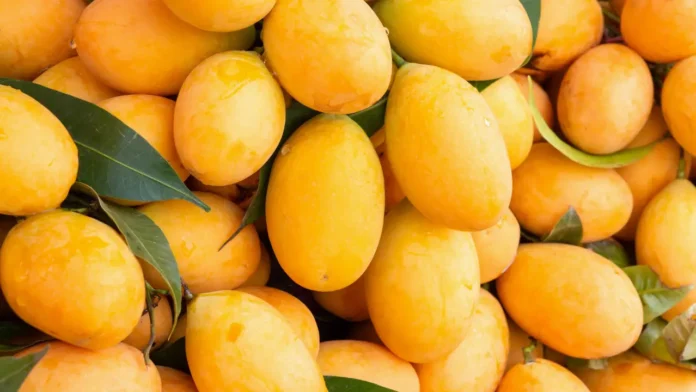
Often called the “King of Fruits,” the mango is one of the most beloved tropical fruits on Earth. Juicy, fragrant, and endlessly versatile — from chutneys and smoothies to curries and desserts — mangoes hold a special place in the hearts of billions of people. But which country can claim the throne in producing this golden fruit?
The answer is unequivocal: India.
26 metric tons are produced annually by India
45% of the global mango supply comes from India
1,500+mango varieties grown across India
India: the undisputed mango capital
India has been cultivating mangoes for over 4,000 years. Historical records suggest that around 2000 BC, mango farming was well established, and Mughal emperor Akbar himself famously planted over 100,000 mango trees in what is now known as Lakhi Bagh. Today, India produces an estimated 25–26 million metric tons of mangoes every year — nearly half of the world’s entire output.
“India’s vast variety of mangoes and its tropical climate make it a powerhouse in mango production — no other country comes close in raw volume.”
The country’s warm, tropical climate and fertile soil create ideal growing conditions. Major mango-producing states include Uttar Pradesh (the single largest contributor), Andhra Pradesh, Karnataka, Bihar, West Bengal, and Maharashtra. Together, these regions grow everything from the prized Alphonso of Maharashtra to the fragrant Langra of Varanasi.
Famous Indian mango varieties
Alphonso (Hapus), Maharashtra · Prized globally for its rich aroma
KesarGujarat · Deep saffron flesh, export favourite
DasheriUttar Pradesh · Fiberless, intensely sweet
Langra Varanasi · Distinctive tangy-sweet flavour
Top mango-producing countries (2024)
| Rank | Country | Annual production | Share |
|---|---|---|---|
| 1 | India | ~26 million MT | ~45% |
| 2 | China | ~4–5 million MT | ~9% |
| 3 | Indonesia | ~3.6 million MT | ~7% |
| 4 | Pakistan | ~2.8 million MT | ~5% |
| 5 | Mexico | ~1.5–2.5 million MT | ~4% |
Why doesn’t India export more?
Here’s a fascinating paradox: despite being the world’s largest mango producer, India is not the largest exporter. That title belongs to Mexico, which exported mangoes worth $605 million in 2024. Why? Because India consumes the overwhelming majority of what it grows. Less than 1% of India’s mango harvest enters the international market.
The reasons are a mix of logistics, stringent import quality standards in Western markets, and the simple fact that over a billion Indian citizens love and consume mangoes in enormous quantities during the summer harvest season. Export growth is happening, with major markets in the Middle East, Europe, and North America — but domestic appetite remains the dominant force.
A fruit woven into culture
In India, the mango is far more than an agricultural commodity. It is woven into mythology, art, poetry, and everyday life. The paisley motif — found on textiles across South Asia — is derived from the shape of a mango. The fruit is offered at religious ceremonies, exchanged as gifts, and eagerly anticipated each summer. Its season is a cultural event as much as a culinary one.
Mangoes are native to South and Southeast Asia, with cultivation in India dating back to at least 2000 BC — making India not just the world’s largest producer, but the fruit’s ancestral homeland.
India is — by an enormous margin — the largest producer of mangoes in the world, accounting for nearly half of global output with around 26 million metric tons per year. Its unmatched diversity of varieties, ancient cultivation traditions, and ideal tropical climate have kept it at the top for millennia. The next time you bite into a juicy Alphonso or a fragrant Kesar, you’re tasting the legacy of the world’s mango capital.

