


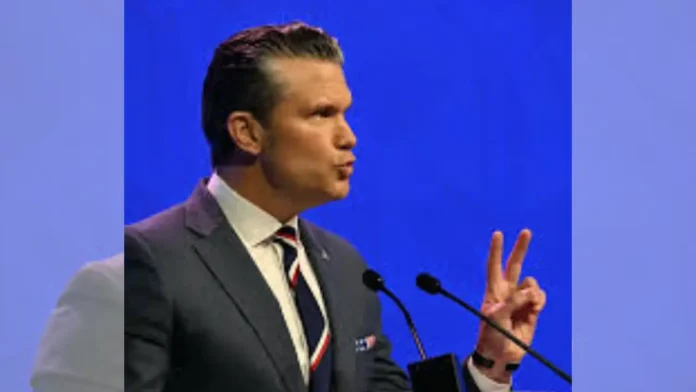
The United States has reaffirmed its commitment to the Indo-Pacific region, seeking to calm concerns among Asian allies about Washington’s long-term strategic priorities. Speaking at a major security forum in Singapore, US Defence Secretary Pete Hegseth stated that America is not stepping away from its partners in Asia. However, he also emphasized that regional allies must take greater responsibility for their own security by increasing defence spending and strengthening military preparedness.
His remarks come at a time of heightened geopolitical tensions, growing competition between the United States and China, and increasing uncertainty about global security commitments.
US Reaffirms Commitment to the Indo-Pacific
Hegseth’s comments were aimed at reassuring allies that the United States remains deeply engaged in the Indo-Pacific despite ongoing global challenges. Many countries in the region have been closely watching Washington’s foreign policy priorities amid conflicts in Europe and the Middle East.
The US defence chief stressed that the Indo-Pacific remains a critical strategic region for American interests. He reiterated that maintaining peace, stability, and freedom of navigation across the region continues to be a top priority for Washington.
According to Hegseth, the United States intends to remain an active security partner and will continue working with allies to address emerging challenges.
Call for Greater Defence Spending
While reaffirming America’s commitment, Hegseth also delivered a clear message to partner nations: security responsibilities must be shared.
He urged allies to increase defence budgets and invest in modern military capabilities. The argument reflects a broader US approach that encourages partner countries to strengthen their own defence infrastructure rather than relying heavily on American military support.
The push for greater burden-sharing is not new. Successive US administrations have called on allies across different regions to contribute more toward collective security. However, Hegseth’s remarks signal that this expectation remains central to Washington’s current strategic thinking.
China Remains a Key Strategic Concern
A major theme of the speech was China’s growing military and economic influence across the Indo-Pacific.
The United States has repeatedly expressed concerns over Beijing’s expanding military capabilities, increasing activities in contested waters, and efforts to strengthen its regional influence.
Hegseth argued that maintaining a balance of power is essential for regional stability. While emphasizing that the US does not seek confrontation, he noted that strong partnerships and enhanced defence capabilities among allied nations are necessary to deter potential threats and preserve the existing security order.
Importance of Regional Partnerships
Countries such as Japan, South Korea, Australia, the Philippines, and India play a significant role in America’s Indo-Pacific strategy.
These partnerships have become increasingly important as nations seek to address shared concerns related to maritime security, technological competition, supply chain resilience, and regional stability.
The United States believes that stronger military cooperation among allies can create a more secure environment while reducing the burden on any single nation.
India’s Growing Strategic Role
India was highlighted as a key partner in the evolving Indo-Pacific landscape.
Over the past few years, defence cooperation between India and the United States has expanded significantly. The two countries have increased military exercises, defence technology collaboration, and strategic dialogue on regional security issues.
Hegseth reportedly described India as an important pillar of stability in the region, reflecting Washington’s growing recognition of New Delhi’s role in maintaining balance across the Indo-Pacific.
What This Means for Asia
The message from Washington is clear: the United States intends to remain engaged in Asia, but allies will be expected to do more.
For many countries, this could mean larger defence budgets, accelerated military modernization, and deeper security cooperation with regional partners.
The approach reflects a changing global security environment where nations are increasingly expected to take greater ownership of their defence needs while continuing to benefit from strategic partnerships.
Conclusion
Pete Hegseth’s remarks underscore a significant aspect of current US foreign policy. America is seeking to reassure allies that it remains committed to the Indo-Pacific while encouraging them to strengthen their own defence capabilities.
As geopolitical competition continues to shape the region, the balance between US support and allied self-reliance is likely to become an increasingly important feature of Indo-Pacific security strategy. The coming years will reveal how regional nations respond to Washington’s call for greater defence investment and shared responsibility.

