


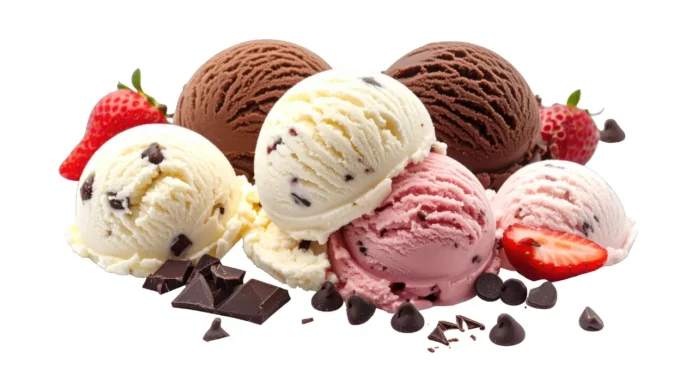
When browsing the frozen section of a supermarket, consumers often notice products labeled as “ice cream” alongside others marketed as “frozen dessert.” While they may look similar and even taste alike, these two products are not the same.
The distinction goes beyond marketing terminology. Differences in ingredients, manufacturing standards, nutritional content, taste, and pricing separate genuine ice cream from frozen desserts. Understanding these differences can help consumers make informed choices about what they eat.
What Is Ice Cream?
Ice cream is a frozen dairy product made primarily from milk, cream, sugar, and flavoring ingredients. In many countries, food safety regulations specify minimum milk-fat requirements that a product must meet before it can legally be called ice cream.
Traditional ice cream contains dairy fat derived from milk and cream, giving it a rich, creamy texture and smooth mouthfeel.
Common ingredients include:
- Milk
- Fresh cream
- Sugar
- Natural or artificial flavors
- Stabilizers and emulsifiers
The higher milk-fat content contributes to the luxurious texture that consumers typically associate with premium ice cream.
What Is a Frozen Dessert?
Frozen dessert is a broader category that includes frozen treats made using ingredients other than dairy fat. Manufacturers often replace milk fat with vegetable oils such as palm oil, coconut oil, or other edible vegetable fats.
These products are designed to provide a similar taste and texture while reducing production costs.
Common ingredients include:
- Vegetable oils
- Milk solids
- Sugar
- Flavoring agents
- Stabilizers and emulsifiers
Because they contain little or no milk fat, they are generally marketed as frozen desserts rather than ice cream.
Key Differences Between Ice Cream and Frozen Dessert
1. Source of Fat
Ice Cream
- Contains milk fat derived from dairy products.
- Offers a richer and creamier taste.
Frozen Dessert
- Uses vegetable fats or oils.
- Often has a lighter texture.
2. Texture and Mouthfeel
The dairy fat in ice cream melts differently on the tongue, creating a smoother and creamier sensation.
Frozen desserts may feel slightly waxier or less creamy because vegetable fats behave differently during freezing and melting.
3. Nutritional Profile
Ice cream generally contains more dairy nutrients such as calcium and naturally occurring milk components.
Frozen desserts may contain lower dairy content but can vary significantly depending on the formulation.
4. Taste
Ice cream usually delivers a richer flavor profile due to the presence of fresh cream and milk fat.
Frozen desserts can still be delicious but may have a slightly different taste and afterfeel depending on the vegetable fats used.
5. Price
Frozen desserts are often less expensive to manufacture because vegetable oils typically cost less than dairy cream and milk fat.
As a result, frozen desserts are frequently sold at lower prices than premium ice cream products.
Why Do Some Brands Sell Frozen Desserts Instead of Ice Cream?
The primary reasons include:
Cost Efficiency
Vegetable fats are generally cheaper than dairy cream, helping manufacturers control production costs.
Longer Shelf Life
Certain vegetable fats provide greater stability during storage and transportation.
Consumer Demand
Some consumers prefer products with lower dairy content or specific ingredient profiles.
Market Flexibility
Manufacturers can create a wider variety of flavors and textures using alternative fat sources.
How to Identify Ice Cream and Frozen Desserts
Consumers can distinguish between the two by carefully reading the packaging.
Look for:
- Product name on the front label
- Ingredient list
- Fat source information
- Dairy content declaration
If the product is labeled “Frozen Dessert” rather than “Ice Cream,” it likely contains vegetable fats instead of milk fat.
Is One Better Than the Other?
Neither product is universally better. The choice depends on personal preferences, dietary needs, and budget.
Choose ice cream if you prefer:
- Rich creaminess
- Traditional dairy flavor
- Higher milk-fat content
Choose frozen dessert if you prefer:
- More affordable options
- Alternative ingredient formulations
- Different texture experiences
Ultimately, both products serve the same purpose—providing a refreshing and enjoyable frozen treat.
Conclusion
Although ice cream and frozen desserts may appear similar in the freezer aisle, they differ significantly in ingredients, texture, taste, and manufacturing standards. Ice cream relies on dairy fat for its rich and creamy character, while frozen desserts use vegetable fats to create a comparable experience at a lower cost.
Understanding the distinction allows consumers to make informed purchasing decisions and choose the frozen treat that best matches their taste and nutritional preferences. Whether it’s a scoop of classic ice cream or a modern frozen dessert, both continue to be popular indulgences enjoyed by millions around the world.

