


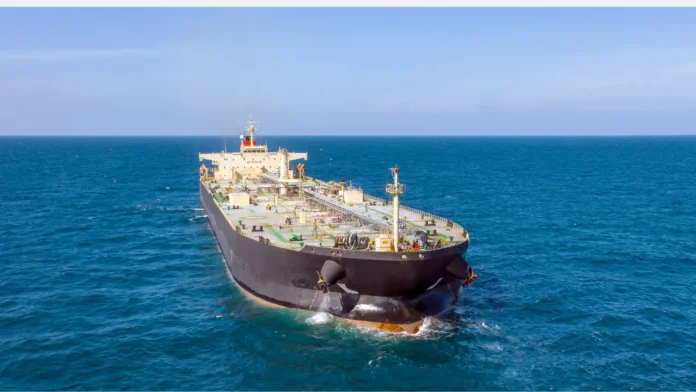
A massive volume of crude oil is currently waiting to pass through the Strait of Hormuz, one of the world’s most strategically important waterways. According to industry estimates, nearly 80 million barrels of crude oil are lined up to exit the Strait, drawing the attention of global energy markets and governments alike.
The development comes at a time when geopolitical tensions in the Middle East continue to keep traders and policymakers on edge, with concerns that any disruption to shipping could trigger a fresh surge in oil prices.
The World’s Most Important Oil Chokepoint
The Strait of Hormuz is a narrow maritime passage connecting the Persian Gulf to the Arabian Sea. Despite its relatively small size, it serves as the primary export route for some of the world’s largest oil-producing nations, including Saudi Arabia, Iraq, the United Arab Emirates, Kuwait, and Iran.
An estimated 20 million barrels of oil pass through the Strait every day, accounting for roughly one-fifth of global oil consumption and a quarter of all seaborne oil trade.
Because of its strategic importance, any slowdown or interruption in vessel movement can have immediate repercussions for global energy markets.
Why Are 80 Million Barrels Waiting?
The buildup of crude oil shipments reflects the intense flow of exports from Gulf producers as well as growing caution among shipping operators amid regional uncertainty.
Industry analysts suggest that oil tankers carrying approximately 80 million barrels of crude are either waiting for transit clearance, moving through congested shipping lanes, or preparing to depart the Gulf region.
While shipping operations continue, the sheer volume of crude awaiting passage highlights the critical role Hormuz plays in maintaining stable global energy supplies.
Impact on Oil Prices
Energy traders closely monitor traffic through the Strait because disruptions can quickly affect oil availability worldwide.
A delay in moving such a large quantity of crude could:
- Tighten global oil supplies
- Increase benchmark crude prices
- Raise shipping and insurance costs
- Impact fuel prices for consumers
Even the perception of risk in the region often leads to market volatility, as investors factor potential supply disruptions into pricing.
India and Asia Remain Highly Dependent
The majority of crude oil transported through the Strait of Hormuz is destined for Asian markets.
Countries such as India, China, Japan, and South Korea rely heavily on Gulf oil imports to meet their energy demands. For India, which imports more than 80 percent of its crude oil requirements, uninterrupted shipping through Hormuz is particularly important.
Any prolonged disruption could increase import costs and place additional pressure on fuel prices and inflation.
Geopolitical Tensions Keep Markets Alert
Recent developments in the Middle East have heightened concerns about maritime security in the region. Although shipping traffic remains active, traders are watching closely for any signs of escalation that could impact vessel movements.
Shipping companies and insurers have also increased their focus on risk assessments as they navigate one of the world’s busiest energy corridors.
What Happens Next?
The successful movement of the 80 million barrels currently waiting to exit the Strait will be closely watched by global markets. If traffic continues smoothly, concerns over supply disruptions may ease.
However, any significant delays or restrictions could reignite fears of a supply crunch, potentially pushing oil prices higher and affecting economies around the world.
A Critical Moment for Global Energy Security
The accumulation of 80 million barrels of crude oil at the Strait of Hormuz serves as a powerful reminder of the world’s dependence on a single strategic waterway. As energy demand continues to grow and geopolitical risks persist, the Strait remains a key pillar of global oil trade.
For oil-producing nations, importing countries, and financial markets, the smooth flow of crude through Hormuz is not just a regional issue—it is a matter of global economic stability.
Key Facts at a Glance
| Item | Details |
|---|---|
| Crude Oil Awaiting Transit | Approximately 80 Million Barrels |
| Location | Strait of Hormuz |
| Daily Oil Flow Through Strait | Around 20 Million Barrels |
| Share of Global Oil Consumption | Nearly 20% |
| Major Exporters | Saudi Arabia, Iraq, UAE, Kuwait, Iran |
| Major Importers | India, China, Japan, South Korea |
| Global Significance | World’s Most Important Oil Chokepoint |
As the world watches developments in the Gulf, the movement of these 80 million barrels could become a key indicator of the health and stability of global energy markets in the weeks ahead.

