


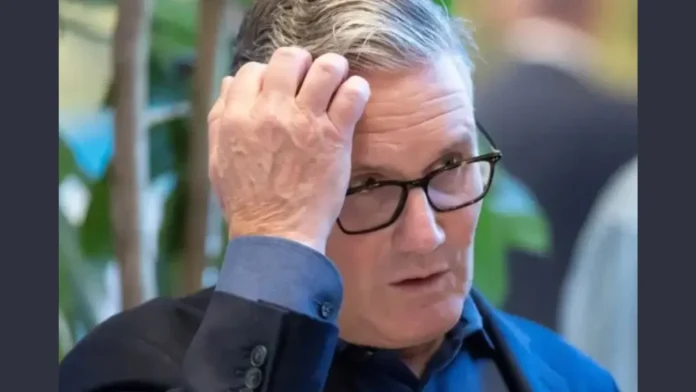
London, June 22, 2026: British Prime Minister Keir Starmer has announced his resignation, bringing an unexpected end to his leadership of the United Kingdom. The decision comes after months of political challenges, declining public support, and increasing pressure from within his own Labour Party.
Starmer, who led Labour to a landmark election victory in 2024, had promised to restore stability and rebuild public trust in government. However, his administration faced a series of difficulties that gradually weakened his position both inside Parliament and among voters.
Growing Pressure Within Labour
In recent months, concerns over Labour’s direction and electoral prospects had become increasingly visible. Several party members reportedly expressed doubts about the government’s ability to maintain public confidence ahead of future elections.
The disappointing performance of Labour in local elections further intensified internal discussions about leadership and strategy. Many party figures believed a fresh face was needed to strengthen Labour’s position and reconnect with voters.
Challenges Faced by the Government
Starmer’s government grappled with a range of complex issues, including economic pressures, rising living costs, immigration concerns, and debates over public services. While the government introduced several policy initiatives, critics argued that it struggled to communicate a clear long-term vision for the country.
As public approval ratings declined, opposition parties gained momentum and sought to capitalize on growing voter frustration.
Political Landscape Continues to Shift
The resignation highlights the continuing volatility of British politics in the years following Brexit. The United Kingdom has witnessed frequent leadership changes over the past decade as governments have navigated economic uncertainty, geopolitical challenges, and shifting public expectations.
Political analysts believe Starmer’s departure could trigger a significant realignment within the Labour Party as members prepare to choose a new leader.
What Happens Next?
Starmer is expected to remain in office temporarily until Labour selects a successor. The leadership contest is likely to attract several prominent figures from within the party, setting the stage for a crucial battle over Labour’s future direction.
The next leader will face the challenge of uniting the party, rebuilding public confidence, and addressing the key issues shaping Britain’s political landscape.
A Defining Moment for British Politics
Keir Starmer’s resignation marks another significant chapter in the United Kingdom’s evolving political story. As Labour begins the process of choosing a new leader, attention will now turn to who can guide the party through its next phase and prepare it for future electoral contests.
With political uncertainty once again taking center stage, the coming weeks are expected to play a major role in shaping the future of both the Labour Party and the country.

