


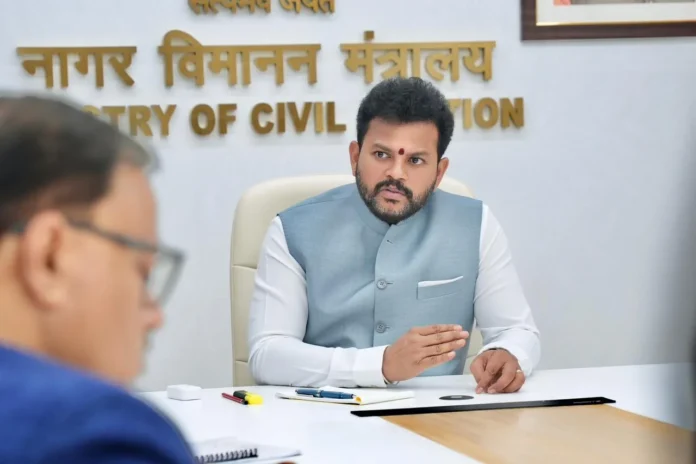
As India confronts one of its most severe aviation disruptions in years, a relatively young but increasingly influential political figure has emerged into national focus: Kinjarapu Ram Mohan Naidu, the Union Minister for Civil Aviation and the youngest member of the Narendra Modi Cabinet.
Calm under pressure, articulate in Parliament, and known for his technocratic approach, Ram Mohan Naidu is now steering India’s aviation system through the turbulence generated by the large-scale cancellation of IndiGo flights—a crisis that has tested not just the country’s aviation sector but also the leadership mettle of its newest minister.
This moment has elevated a question many Indians have begun asking: Who exactly is Ram Mohan Naidu, and how did he become one of the central figures managing a national aviation emergency?
A Young Minister With a Remarkable Political Lineage
Born on December 18, 1987, Ram Mohan Naidu hails from an influential political family in Andhra Pradesh. He is the son of K. Yerran Naidu, a prominent TDP leader who served as Union Minister for Rural Development in the United Front government and was widely respected for his grassroots focus and administrative clarity.
The younger Naidu’s entry into politics was sudden and emotional. In 2012, after his father tragically passed away in a car accident, Ram Mohan returned from a budding corporate career abroad to continue his father’s political legacy. Just two years later, at 27, he was elected to the Lok Sabha from Srikakulam, becoming one of India’s youngest parliamentarians.
Since then, he has won the seat three consecutive times (2014, 2019, 2024)—an achievement made more noteworthy by his 2019 victory, when the TDP was nearly wiped out in the YSRCP wave, retaining only three Lok Sabha seats. Naidu was one of them.
Academic Background: A Corporate Mind in Politics
Ram Mohan Naidu’s political style stands out because of his strong academic and corporate foundation. He holds:
- A B.E. in Electrical Engineering from Purdue University, USA
- An MBA from Long Island University, USA
Before entering politics, he worked in the corporate sector in the United States. This exposure has shaped his governance style—data-driven, structured, and geared towards institutional processes.
His transition from corporate life to public service, as he once said, was “overwhelming but necessary.”
Rise Within the Telugu Desam Party
Within the TDP ranks, he is considered among the most trusted leaders of party supremo and Andhra Pradesh Chief Minister N. Chandrababu Naidu.
Party insiders frequently describe him as:
“Chandrababu Naidu’s eyes and ears in Delhi.”
He plays a central role in:
- Flagging issues to the Chief Minister
- Representing Andhra Pradesh’s concerns to central ministries
- Coordinating political outreach in Delhi
- Providing strategic inputs on policy and legislative matters
His organisational discipline and calm temperament have earned him respect across party lines, including in Parliament.
Champion of Youth Participation: ‘Politics for Impact’
Unlike many young politicians, Ram Mohan Naidu has deliberately used his position to bring new talent into public life. His internship initiative, “Politics for Impact,” offers young Indians hands-on exposure to constituency administration, governance frameworks, and policy design.
He often states:
“People say I am the youngest Union Minister, but I want to see more youngsters in politics.”
This programme reflects his long-term vision of creating a more participatory and youth-inclusive political environment.
Progressive Voice in Parliament
Over his three terms in the Lok Sabha, Naidu has emerged as an articulate and progressive legislator. Highlights include:
- Advocating GST-free sanitary pads, one of the earliest MPs to do so
- Supporting mandatory sex education
- Taking paternity leave during the 2021 Budget Session—a rarity in Indian politics
- Delivering a widely appreciated speech in Parliament on the Disha rape case, reinforcing the principle of “no means no”
His speech drew praise even from leaders across the aisle, including Sonia Gandhi.
Navigating the Air India Ahmedabad Crash Inquiry
As Civil Aviation Minister, one of his first major tests came with the June 12 Air India Express crash in Ahmedabad. When certain international reports questioned the government’s findings, Naidu firmly defended the investigation, stating that the conclusions were based on a “transparent, evidence-driven process.” His confidence in institutional integrity earned him credibility early in his tenure.
The IndiGo Crisis: A Defining Leadership Moment
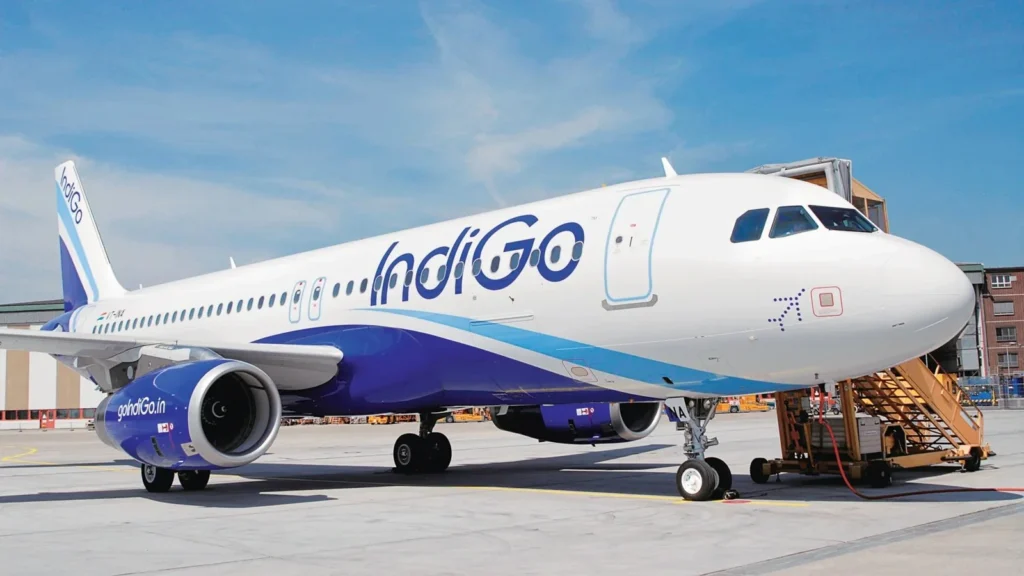
In December 2025, India’s aviation sector faced unprecedented disruption as hundreds of IndiGo flights were cancelled across multiple routes. With the country’s largest airline struggling to stabilise operations, Ram Mohan Naidu became the face of the government’s response.
Key developments include:
- High-level meeting with IndiGo CEO Pieter Elbers to assess stabilisation plans
- Public clarification that the crisis stemmed from crew rostering and internal planning failures, not regulatory shifts
- Daily monitoring of airline operations
- Direct communication with the DGCA to ensure passenger safety and compliance
- Transparent updates in Parliament
Despite political attacks—particularly from YSRCP leaders—Naidu has maintained that the government will prioritise passenger rights and operational accountability.
Observers note that his calm, fact-based responses have helped prevent further panic in an already stressful situation.
Influence in National Politics
Ram Mohan Naidu’s influence extends beyond his ministry. During Chandrababu Naidu’s 2023 arrest in an alleged skill development scam, Ram Mohan, along with Nara Lokesh, played a pivotal role in rallying national political support. Party insiders describe their efforts in Delhi as “instrumental.”
A Young Minister at a Crossroads
At 34, Ram Mohan Naidu represents a rare combination in Indian politics:
- Youthful energy
- Administrative maturity
- Progressive values
- Strong party backing
- Crisis-management capability
The IndiGo crisis is the first major national challenge of his ministerial career—and how he navigates it may shape not just India’s aviation landscape but also his own trajectory as one of the most promising young leaders in Indian politics.
For now, one thing is clear: the country is watching him closely.

