


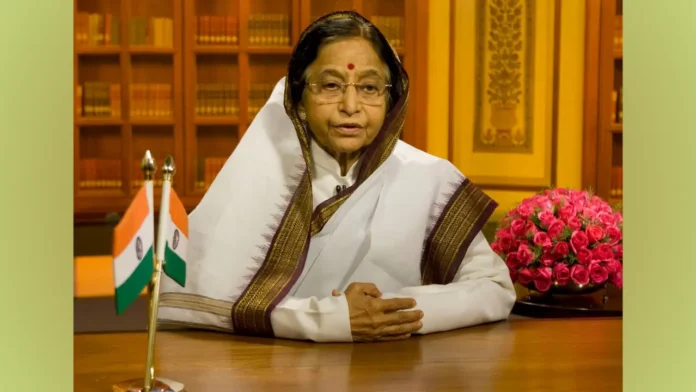
In a significant political development, former President Pratibha Patil has expressed strong support for the Women’s Reservation Bill, describing it as a “transformative step” for India’s democratic framework. In a letter addressed to Prime Minister Narendra Modi, she highlighted the importance of ensuring greater representation of women in legislative bodies.
Her endorsement comes at a crucial time when the implementation of the Nari Shakti Vandan Adhiniyam is under active discussion, along with proposals that could reshape parliamentary representation in India.
What Is the Women’s Reservation Bill?
The Women’s Reservation Bill seeks to reserve one-third of seats in the Lok Sabha and state legislative assemblies for women. It is considered one of the most significant constitutional reforms aimed at addressing gender imbalance in Indian politics.
Although women have made notable contributions across sectors, their representation in Parliament has historically remained limited. This bill attempts to correct that imbalance by creating institutional pathways for women’s participation in governance.
Why Pratibha Patil Calls It ‘Transformative’
Pratibha Patil’s support carries symbolic and political significance. As India’s first woman President, her perspective reflects decades of experience in public life.
She emphasized that Indian women have consistently demonstrated resilience and leadership despite facing social and structural barriers. According to her, this legislation does more than provide legal representation—it formally acknowledges women’s potential and opens doors for leadership at the highest levels.
She described the bill as a decisive step toward reducing historical inequalities and building a more inclusive society.
A Long Journey Toward Gender Representation
The idea of reserving seats for women in legislatures has been debated in India for decades. While local bodies such as Panchayats have successfully implemented reservation policies, Parliament and state assemblies have lagged.
This reform represents the culmination of years of political negotiation, advocacy, and public discourse. It reflects a growing consensus that gender parity is essential for a healthy democracy.
Impact on Indian Politics and Governance
The implementation of the Women’s Reservation Bill could bring several structural changes.
1. More Inclusive Decision-Making
Greater participation of women is expected to diversify perspectives in policymaking, leading to more balanced and inclusive governance.
2. Strengthening Grassroots Democracy
Women from rural and marginalized communities may find new opportunities to enter politics, thereby deepening democratic participation.
3. Policy Priorities Could Shift
Issues such as healthcare, education, nutrition, and gender safety may receive greater attention.
4. Inspiring Future Generations
The presence of more women in leadership roles can encourage younger generations to pursue careers in public service.
Political Debate and Criticism
Despite widespread support, the bill has also triggered political debate.
Some leaders have questioned the timing of its implementation, suggesting that it may be politically motivated. Others have raised concerns about whether the benefits will primarily reach women from established political families rather than those from grassroots backgrounds.
There are also discussions around the need for additional safeguards to ensure fair representation across different social groups.
The Role of Delimitation and Implementation Challenges
One of the key factors linked to the bill is the process of delimitation, which involves redrawing constituency boundaries.
The implementation of women’s reservation is expected to be tied to this process. As a result, the timeline for actual enforcement may depend on broader electoral reforms.
This adds a layer of complexity, making the bill both ambitious and challenging in execution.
A Broader Vision of Gender Equality
Pratibha Patil’s endorsement highlights a larger vision beyond electoral politics. She pointed out that empowering women politically is essential for achieving social and economic equality.
Greater representation in legislatures can influence laws, policies, and societal attitudes, creating a ripple effect across sectors.
Her message also underlines the importance of collective effort—from political leaders, institutions, and society—to make this reform meaningful.
What Lies Ahead
The coming parliamentary discussions will be crucial in determining how the Women’s Reservation Bill is implemented.
If executed effectively, it could mark a turning point in India’s democratic evolution. However, its success will depend on transparent processes, fair representation, and sustained political commitment.
Conclusion: A Defining Step Toward Inclusive Democracy
The support of Pratibha Patil adds moral and political weight to the Women’s Reservation Bill. Her description of the reform as a “transformative step” reflects its potential to reshape India’s political landscape.
While challenges remain, the bill represents a bold move toward gender equality and inclusive governance.
If implemented with clarity and fairness, it could redefine how democracy functions in India—making it more representative, balanced, and future-ready.

