


Once every three years, the Hindu calendar adds something the solar calendar never does — an extra month. That month is here right now.
Malmas 2026, also known as Adhik Maas or Purushottam Maas, began on 17 May 2026 and runs until 15 June 2026. For thirty days, the calendar asks you to slow down. Less noise. More intention.
But with that slowdown comes a list of things you genuinely should not do — certain foods to avoid, certain ceremonies to postpone, and certain actions that tradition says will bring inauspicious results. This article covers all of it, simply and clearly.
First — What Is Malmas and Why Does It Exist?
The Hindu calendar follows the moon. A lunar year has about 354 days. The solar year has 365. That gap of 11 days adds up every year. After roughly 32 months, it becomes an entire month out of sync.
So the Hindu calendar does something clever — it inserts an extra month to correct the drift. That correction is Malmas.
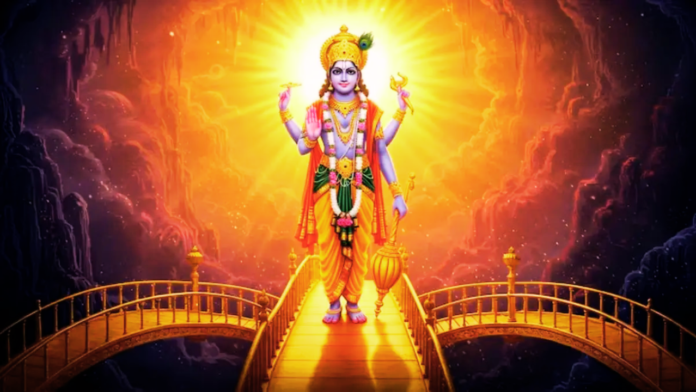
The name “Mal” means impure or outcast. Historically, no deity wanted to govern this extra month because it did not fit neatly into the twelve-month cycle. Then Lord Vishnu stepped in. He accepted it, blessed it, and renamed it Purushottam Maas — after himself.
From that point on, this once-ignored month became one of the most spiritually powerful periods in the entire Hindu year. Spiritual acts done in this month, according to the Padma Purana, yield results thousands of times greater than the same acts done in any other month.
That spiritual charge is also why certain worldly activities carry extra weight here — and why breaking the norms of this month is considered more consequential than usual.
What Not to Eat During Malmas
Food is the starting point. The concept behind food restrictions during Malmas is straightforward. This is a month for Sattvic living — clean, light, and pure food that keeps the mind calm and the body clear.
Non-Vegetarian Food
This is the most absolute restriction. Avoid all meat, fish, and eggs throughout Malmas — even if you are not observing a formal fast. This applies to everyone, not just those keeping a vrat. The idea is that tamasic food (heavy, stimulating, impure) works against the spiritual purpose of the month.
Onion and Garlic
Both onion and garlic are considered Rajasic and Tamasic in Ayurvedic and Vedic tradition. They stimulate the senses and agitate the mind. During a month meant for inner quiet and devotion, they are specifically avoided. This restriction also applies even on days when you are not fasting.
Alcohol
Strictly prohibited. There are no exceptions here, whether you are fasting or not. Alcohol is considered deeply tamasic and directly incompatible with the month’s spiritual energy.
Grains (for those keeping a vrat)
If you have taken a formal vrat for Malmas — or for the Ekadashi days within it — you should avoid all grains. This includes wheat, rice, dal, and flour-based foods. Instead, opt for fruit, milk, sabudana (tapioca), makhana (fox nuts), and dry fruits. However, this restriction is specifically for those fasting. If you are not fasting formally, you may eat grains in moderation with a Sattvic preparation.
Stale, Heavy, or Processed Food
Even outside formal fasting rules, Malmas calls for light, freshly cooked, simple food. Avoid leftovers, very oily preparations, and heavily spiced dishes. The body and mind are meant to feel light during this month — not weighed down.
Eating Only One Meal a Day
For those observing a vrat, the traditional rule is one Sattvic meal before sunset. The rest of the day can include fruits and milk. The purpose is not hunger — it is discipline. Lightening the body so the mind has room to slow down.
What Not to Do During Malmas — The Ceremonies to Postpone
Beyond food, Malmas traditionally asks you to postpone all major life ceremonies. The reasoning is clear. This month belongs to spiritual (Nishkamya) karma — selfless action. The ceremonies listed below are tied to personal desire (Kamya karma) — actions done to achieve a future goal or worldly benefit. The two energies do not mix well during this period.
Weddings and Marriages
The most widely observed rule in all of India. No wedding ceremonies are held during Malmas. This is not superstition — it is a deeply practical spiritual principle. Marriage is one of life’s most desire-driven, future-oriented events. Malmas asks you to pause that forward momentum and look inward instead.
Griha Pravesh (House-Warming)
Moving into a new home is an auspicious milestone. But it is also deeply tied to material desire and future ambition. Postpone any house-warming ceremony until after 15 June 2026.
Mundan Ceremony
A child’s first head-shaving ceremony is traditionally held during regular months. It is postponed during Malmas.
Namkaran (Naming Ceremony)
The traditional naming ceremony for a newborn is also deferred. Note, however, that if a child is born during Malmas, the birth itself is not inauspicious — only the formal ceremony is postponed to a regular month.
Upanayana (Sacred Thread Ceremony)
This important rite of passage for young boys is not performed during Malmas. It is rescheduled to a regular calendar month.
Starting a New Business or Venture
Launching a new business, signing major partnerships, or beginning a significant new project is avoided during this month. The logic is that Malmas is for purifying existing karma, not accumulating new desire-driven karma through fresh worldly beginnings.
Beginning Construction of a New Home
Do not lay the foundation of a new house or begin major construction work during this period. Like business launches, this falls under desire-driven action meant for regular months.
What Not to Buy During Malmas
Certain purchases are traditionally avoided during Malmas as well.
Gold and Silver — Buying gold, silver, or expensive jewellery for personal use or investment is avoided. This is about reducing material attachment during a month meant for simplicity.
Property — Purchasing land or a new home is traditionally postponed until after the month ends.
Vehicles — Buying a new car, two-wheeler, or any major vehicle is avoided.
Luxury Items — Major financial investments or purchases that are driven by desire and status are set aside for the month.
What Not to Do in Daily Life
Beyond ceremonies and purchases, there are some everyday behaviours that tradition specifically asks you to pull back from during Malmas.
Avoid harsh, negative, or critical speech. Words have extra weight in a spiritually charged month. Stay mindful of what you say about others.
Avoid long-distance travel for business or pleasure. Pilgrimage to a holy place is encouraged. But travel for purely worldly or commercial purposes is traditionally minimised.
Avoid unnecessary arguments and conflicts. The month asks for restraint. Getting into feuds and disputes goes against its spirit.
Avoid excessive entertainment. Loud social gatherings, heavy celebrations, and activities focused purely on material enjoyment are toned down during this period.
What You Should Do Instead
It helps to know what fills the space left by what you avoid. Malmas is not about empty restriction. Every “don’t” makes room for a “do.”
Worship Lord Vishnu daily. Even a simple lamp, a few minutes of prayer, and the chant “Om Namo Bhagavate Vasudevaya” count.
Read scripture. The Bhagavad Gita, Vishnu Sahasranama, or the Srimad Bhagavatam are especially meaningful during this month.
Give generously. Charity (Daan) during Malmas is considered exceptionally powerful. Donating food, clothes, grains, or even your time to someone in need is one of the most meaningful acts of the month.
Fast on Ekadashi days. In 2026, Malmas contains two Ekadashi days. These are considered among the most sacred fasting days of the entire year.
Offer water to the Tulsi plant daily. A simple act. Deeply significant.
Feed animals and birds. A small act of compassion that carries strong spiritual merit during this month.
The Bigger Picture: Why These Rules Exist
It is easy to read a list of don’ts and feel restricted. But the tradition behind Malmas is asking something different of you.
The world moves fast. Decisions pile up. Desires multiply. Ceremonies get planned. Purchases get made. Businesses get launched.
Malmas says: pause. Just for thirty days, let the worldly momentum slow. Turn your attention inward. Purify. Reflect. Give.
The restrictions are not punishments. They are invitations to simplicity.
As the Padma Purana puts it, even one sincere act during this month is never lost. Lord Vishnu does not measure the size of your lamp. He measures the steadiness of the hand that holds it.
Quick Reference: Malmas 2026 Dos and Don’ts
Avoid eating: Non-vegetarian food, onion, garlic, alcohol, stale food, grains (if fasting).
Postpone: Weddings, house-warmings, Mundan, Namkaran, Upanayana, business launches, and construction starts.
Avoid buying: Gold, property, vehicles, luxury items.
Avoid in daily life: Harsh speech, unnecessary travel, arguments, excessive entertainment.
Focus on: Lord Vishnu worship, chanting, charity, fasting, scripture reading, and simple living.
Malmas 2026 dates: 17 May 2026 to 15 June 2026.
This article is based on traditional Hindu religious texts and practices. Observances may vary by region, family tradition, and personal capacity. Always follow the guidance of your family elders or a trusted spiritual teacher for specific rituals.

