


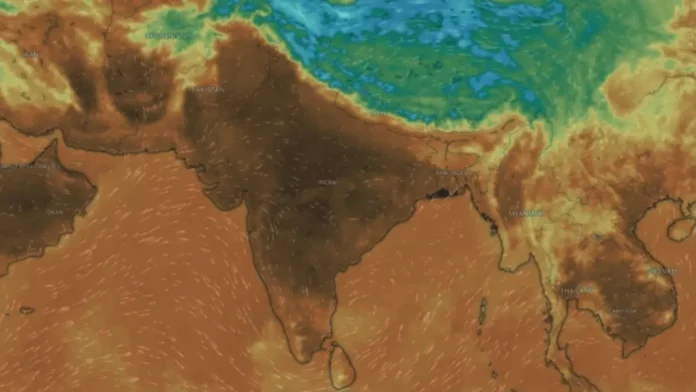
India’s monsoon season may face a major challenge this year as weather experts closely monitor the development of El Niño conditions in the Pacific Ocean.
The phenomenon, which has influenced weather patterns around the world for decades, is expected to affect India’s rainfall during the crucial June-to-September monsoon season. As a result, concerns are growing among farmers, economists and policymakers.
The monsoon is more than a weather event for India. It supports agriculture, replenishes water reservoirs, influences food production and drives rural economic activity. Therefore, any threat to seasonal rainfall attracts nationwide attention.
Understanding El Niño
El Niño is a climate pattern that develops when sea surface temperatures in parts of the Pacific Ocean become warmer than normal.
Although the warming occurs far from India, it can alter atmospheric circulation across the globe. These changes often weaken the moisture-bearing winds that bring rainfall to the Indian subcontinent.
Historically, many El Niño years have been associated with weaker monsoons, though the impact varies from one event to another.
This is why meteorologists closely track ocean temperatures and weather conditions months before and during the monsoon season.
Why India’s Monsoon Matters So Much
The southwest monsoon contributes the majority of India’s annual rainfall.
Millions of farmers depend on these rains for sowing and nurturing crops. Rice, pulses, cotton, maize and oilseeds all require timely and adequate rainfall during the growing season.
A healthy monsoon also helps refill reservoirs, lakes and groundwater reserves that supply drinking water and irrigation throughout the year.
When rainfall falls below expectations, the effects often spread beyond agriculture and into the broader economy.
Impact on Agriculture Could Be Significant
The agricultural sector remains one of the most vulnerable areas during weak monsoon years.
If rainfall becomes deficient or arrives unevenly, farmers may delay sowing activities. In some regions, crops may face moisture stress during critical growth stages.
Even when seasonal rainfall totals appear reasonable, prolonged dry spells between rain events can reduce crop productivity.
Farmers often struggle more with irregular rainfall than with slightly lower rainfall totals. Consistency is crucial for successful crop growth.
As a result, agricultural output may decline if weather conditions remain unfavorable for an extended period.
Water Resources May Face Pressure
A weak monsoon can create challenges for water management across the country.
Reservoir levels depend heavily on seasonal rainfall. Lower inflows can affect drinking water supplies, irrigation projects and hydropower generation.
Groundwater recharge may also decline in areas that rely on monsoon rains to replenish underground water reserves.
Cities and towns that already face water stress could experience additional pressure if rainfall remains below normal.
For this reason, water conservation efforts become especially important during years influenced by El Niño.
Food Prices Could Rise
Weather and food prices often move together.
When agricultural production slows, supplies of key crops can become tighter. This may lead to higher prices for grains, vegetables, pulses, and edible oils.
Consumers generally feel the impact through rising grocery bills, while governments face pressure to maintain food security and control inflation.
Economists, therefore, watch monsoon forecasts closely because rainfall patterns often influence inflation trends and consumer spending.
Rural Economy May Feel the Impact
Agriculture supports millions of households across India.
When crop yields decline, rural incomes often come under pressure. Lower earnings can affect spending on goods, services and local businesses.
A weaker rural economy may eventually influence broader economic growth.
That is why monsoon forecasts receive attention not only from farmers but also from businesses, financial institutions and policymakers.
Is a Drought Inevitable?
Not at all.
El Niño increases the risk of below-normal rainfall, but it does not guarantee drought conditions.
India’s weather depends on multiple climate systems working together. Other atmospheric and oceanic factors can sometimes reduce or offset the effects of El Niño.
In addition, rainfall distribution varies significantly from region to region. Some areas may receive adequate rainfall even during an El Niño year.
Therefore, experts continue to monitor weather developments before drawing final conclusions about the season.
The Importance of Preparedness
The possibility of a weaker monsoon highlights the importance of preparation.
Farmers may need to adopt water-efficient practices and choose crops suited to local conditions. State governments may strengthen water management plans and drought preparedness measures.
At the same time, authorities can focus on reservoir management, groundwater conservation and support programs for vulnerable communities.
Early planning often helps reduce the impact of weather-related challenges.
Looking Ahead
The next few months will play a crucial role in determining the strength of India’s monsoon.
Weather agencies will continue to track ocean temperatures, atmospheric conditions and rainfall patterns across the country.
While uncertainty remains, one thing is clear: the performance of the monsoon will influence agriculture, water availability, food prices and economic activity throughout the year.
For millions of Indians, the arrival of the monsoon is not merely a seasonal event. It is a lifeline that supports livelihoods, sustains farms and drives the nation’s growth.
As El Niño develops, all eyes will remain on the skies.

