


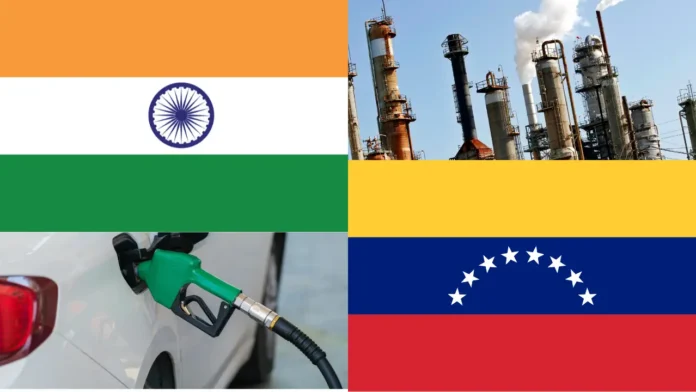
As geopolitical tensions continue to impact global energy markets, India is strengthening its search for reliable oil suppliers beyond its traditional partners in the Gulf. One country emerging as a key player in this evolving strategy is Venezuela, whose vast crude reserves and renewed export ambitions are attracting growing interest from Indian refiners and policymakers.
The renewed engagement between New Delhi and Caracas comes at a time when global energy security has become a top priority for major economies. With shipping routes in West Asia facing periodic disruptions and oil prices remaining vulnerable to geopolitical shocks, India is increasingly focused on diversifying its sources of crude imports.
A New Chapter in Energy Cooperation
India’s relationship with Venezuela is rooted in a simple economic reality. Venezuela possesses some of the largest oil reserves in the world, while India is among the fastest-growing energy consumers. As India’s economy expands and industrial activity rises, the demand for secure and affordable energy supplies continues to increase.
This natural alignment has created fresh opportunities for cooperation. Recent discussions between officials from both countries have highlighted the potential for a deeper partnership in energy trade, investment, and industrial collaboration.
For India, reducing dependence on a limited group of suppliers is becoming an essential part of long-term energy planning. Venezuela’s re-entry into global oil markets provides an additional option at a time when diversification is increasingly seen as a strategic necessity.
Why Diversification Matters
For decades, the Gulf region has been the cornerstone of India’s crude oil imports. While these relationships remain vital, recent geopolitical developments have exposed the risks associated with relying heavily on a single region.
Supply disruptions, shipping concerns, and regional conflicts can quickly affect oil availability and pricing. By broadening its supplier base, India aims to reduce vulnerability to such disruptions and ensure greater stability for its energy sector.
Energy experts argue that diversification is no longer just a commercial decision; it has become a matter of national economic security. Access to multiple suppliers helps countries manage risks and maintain flexibility in rapidly changing global markets.
Venezuela’s Growing Importance
Venezuela’s oil industry has faced significant challenges over the past decade, including economic difficulties, declining production, and international restrictions. However, recent developments have created opportunities for the South American nation to reconnect with major energy-importing countries.
For Indian refiners, Venezuelan crude presents an attractive option due to its availability and compatibility with advanced refining infrastructure. Several Indian refineries are capable of processing heavier grades of crude oil efficiently, making Venezuelan supplies commercially viable.
As trade volumes increase, Venezuela could gradually regain a significant position within India’s import portfolio, strengthening economic ties between the two nations.
Beyond Crude Oil
The growing relationship is not limited to petroleum exports.
Both countries are exploring opportunities in sectors such as mining, pharmaceuticals, renewable energy, transportation, agriculture, and industrial investment. Expanding cooperation across multiple sectors could help transform the relationship from a transactional energy partnership into a broader strategic engagement.
India’s expertise in pharmaceuticals, information technology, and manufacturing also offers opportunities for deeper economic collaboration with Venezuela as it seeks to diversify its own economy.
The Role of Indian Refiners
India’s private and public-sector refiners are expected to play a crucial role in expanding imports from Venezuela. As companies seek competitive crude supplies and improved operational efficiency, access to diverse sources becomes increasingly valuable.
Industry analysts believe that a wider supplier network can help refiners optimize procurement strategies, manage price volatility, and improve energy resilience.
The renewed interest in Venezuelan crude also reflects a broader shift in the global energy market, where importers are looking beyond traditional suppliers to secure long-term stability.
Can Venezuela Become a Major Supplier?
While Venezuela is unlikely to replace the Gulf’s dominant role in India’s energy mix, it can become an important component of a diversified sourcing strategy.
India’s objective is not to depend on one alternative supplier but to create a balanced portfolio of energy partners spread across different regions. Such an approach reduces exposure to regional crises and enhances the country’s ability to navigate global market disruptions.
In this context, Venezuela represents one piece of a larger energy security puzzle that includes suppliers from Latin America, Africa, Russia, and other parts of the world.
What It Means for India’s Energy Future
India’s growing engagement with Venezuela reflects a broader transformation in how the country approaches energy security. Rather than relying solely on historical trade patterns, policymakers are increasingly focused on building a resilient and diversified supply network capable of withstanding geopolitical uncertainties.
As global energy markets continue to evolve, partnerships with resource-rich nations like Venezuela could play an important role in ensuring stable supplies for one of the world’s fastest-growing economies.
The message from New Delhi is clear: in an era of uncertainty, energy security depends not only on how much oil a country buys, but also on where it buys it from.
Conclusion
The strengthening relationship between India and Venezuela highlights a changing global energy landscape in which diversification, flexibility, and strategic partnerships are becoming more important than ever. As geopolitical tensions reshape traditional trade routes and supply chains, India’s efforts to broaden its energy network could prove crucial in safeguarding economic growth and long-term energy stability.
For both nations, the partnership offers a chance to unlock new opportunities while adapting to the realities of an increasingly complex global market.

