


In Hindu tradition, offering prasad (bhog) to Lord Rama is not just a ritual. It is an expression of devotion, gratitude, and purity. The food offered reflects simplicity, sattvic values, and deep cultural meaning.
Unlike elaborate royal feasts, Lord Rama’s prasad is often simple, natural, and balanced, just like his personality—calm, righteous, and disciplined.
The Philosophy Behind Offering Prasad to Lord Rama
Prasad is not ordinary food. It becomes sacred after offering it to the deity.
When devotees prepare bhog for Lord Rama, they follow three core principles:
- Purity of ingredients
- Cleanliness of mind and surroundings
- Simplicity in preparation
The idea is clear. The offering should come from the heart, not from display or excess.
Common Prasad Offered to Lord Rama
1. Panakam (Jaggery Drink)
Panakam is one of the most popular offerings, especially during Ram Navami.
Ingredients
- Jaggery
- Water
- Black pepper
- Cardamom
- Lemon (optional)
Significance
It cools the body and symbolizes relief from heat. Spiritually, it represents calmness and balance.
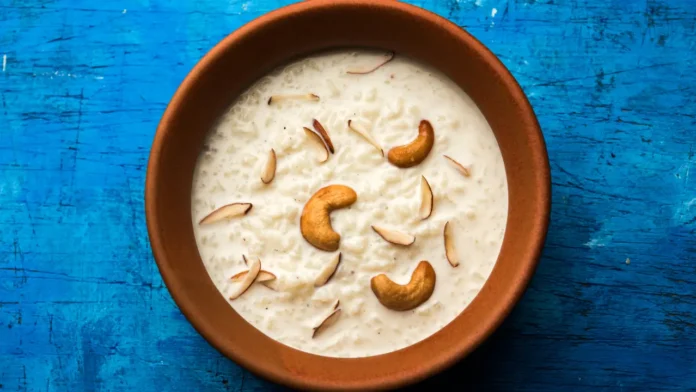
2. Kheer (Rice Pudding)
Kheer is a classic sweet offered in many temples.
Ingredients
- Rice
- Milk
- Sugar or jaggery
- Cardamom
- Dry fruits
Significance
It symbolizes prosperity and devotion. The sweetness reflects love and surrender to the divine.
3. Fruits (Phal Bhog)
Fruits are the simplest and purest form of prasad.
Common choices
- Bananas
- Apples
- Mangoes
- Coconut
Significance
Fruits represent nature’s purity and abundance. They require no cooking, which keeps them untouched and natural.
4. Panchamrit
Panchamrit is a sacred mixture used in many rituals.
Ingredients
- Milk
- Curd
- Honey
- Ghee
- Sugar
Significance
Each ingredient has symbolic value. Together, they represent health, purity, and divine blessing.
5. Chana and Gud (Gram and Jaggery)
This is a simple and widely offered prasad.
Why is it important
- Easy to prepare
- Nutritious
- Symbol of humility
It reflects the idea that devotion does not need luxury.
Special Prasad During Ram Navami
On Ram Navami, the birth anniversary of Lord Rama, devotees prepare specific bhog items such as:
- Panakam
- Kosambari (soaked lentil salad)
- Buttermilk
- Sweet dishes
These foods are light and cooling, suitable for the summer season when the festival usually occurs.
How to Prepare and Offer Prasad
The process matters as much as the food itself.
Step-by-step approach
- Clean the kitchen and utensils
- Prepare food with a calm mind
- Avoid tasting before offering
- Place the food before Lord Rama’s idol or image
- Offer with prayers or mantras
- Distribute as prasad
This transforms ordinary food into sacred offering.
What Makes Ram Prasad Unique
Prasad offered to Lord Rama stands out because of its simplicity and sattvic nature.
It avoids:
- Onion and garlic
- Excess oil
- Strong spices
Instead, it focuses on:
- Natural sweetness
- Light preparation
- Easy digestion
This aligns with Lord Rama’s image as an ideal human being who lived a balanced life.
Spiritual Meaning of Offering Prasad
Offering prasad is not about feeding the deity. It is about:
- Expressing gratitude
- Letting go of ego
- Sharing blessings with others
After offering, the same food becomes prasad. It is then distributed among devotees, spreading positivity and unity.
Final Thoughts
Prasad’s offering to Lord Rama reflects a deeper truth. Devotion does not require richness or complexity. It requires sincerity.
Whether it is a simple fruit or a bowl of kheer, what truly matters is the intention behind the offering.
In the end, Ram bhog teaches us a quiet lesson. Pure food, prepared with a pure heart, becomes the most powerful form of worship.

