


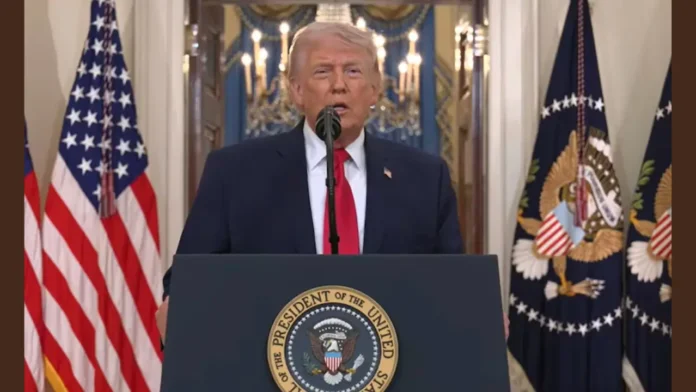
The announcement of a two-week ceasefire between the United States and Iran marks a critical turning point in one of the most volatile geopolitical confrontations in recent years. However, beneath the surface of diplomacy lies a complex negotiation framework shaped by power dynamics, regional alliances, and economic pressure.
Iran’s 10-point proposal is not just a peace plan—it is a comprehensive strategic blueprint aimed at reshaping the Middle East’s security and economic architecture.
Understanding the Ceasefire: A Tactical Pause, Not Peace
The ceasefire agreement is explicitly temporary and conditional. It has been framed as a “window for negotiations” rather than a resolution of conflict.
Key characteristics:
- Duration: Two weeks
- Nature: Reciprocal de-escalation
- Condition: Linked to compliance on both sides
- Status: War not officially ended
Statements from both sides indicate a lack of trust, with each treating the ceasefire as a test rather than a commitment.
Breakdown of Iran’s 10-Point Proposal
Iran’s proposal combines military, economic, and diplomatic demands, signaling a maximalist negotiating position.
Complete Halt to Regional Wars
Iran demands an end to hostilities not only against itself but also across:
- Iraq
- Lebanon
- Yemen
This reflects Tehran’s insistence on protecting its regional influence network.
Permanent End to War Against Iran
Unlike the temporary ceasefire, Iran seeks:
- A permanent cessation
- No defined timeline
This ensures long-term security guarantees.
Total Regional De-escalation
The proposal extends beyond bilateral peace to:
- Ending all Middle East conflicts
- Establishing a broader regional reset
Reopening the Strait of Hormuz
This is one of the most critical demands. The Strait:
- Handles a significant portion of global oil supply
- Has been under Iranian control during escalation
Maritime Security Guarantees
Iran calls for formal protocols to:
- Ensure safe navigation
- Prevent future disruptions
Reconstruction Compensation
Tehran seeks:
- Financial compensation for war damage
- International accountability
Complete Sanctions Relief
A central economic demand includes:
- Removal of all US-led sanctions
- Reintegration into global markets
Release of Frozen Iranian Assets
Iran wants:
- Access to funds held abroad
- Restoration of financial sovereignty
Nuclear Commitment
Iran offers a strategic concession:
- No pursuit of nuclear weapons
This aims to address one of Washington’s core concerns.
Immediate Multi-Front Ceasefire
The proposal requires:
- Simultaneous ceasefire across all conflict zones
- Immediate implementation upon acceptance
The Strait of Hormuz: The Real Center of Gravity
Why It Matters
The Strait of Hormuz is not just a geographic feature—it is a strategic chokepoint of global energy flows.
- Nearly 20–30% of the global oil trade passes through it
- Any disruption directly impacts:
- Oil prices
- Inflation
- Global supply chains
Iran’s willingness to reopen the strait during negotiations is a major bargaining lever.
US Position: Conditional Engagement
US President Donald Trump has taken a cautious stance.
Key elements of the US response:
- Suspension of planned military strikes
- Conditional acceptance of the ceasefire
- Emphasis on:
- Safe maritime navigation
- Verification of Iranian commitments
The US views the proposal as:
- A starting point, not a final agreement
- A test of Iran’s credibility
Pakistan’s Role: A Strategic Mediator
Talks are scheduled in Islamabad, highlighting Pakistan’s emerging diplomatic role.
Why Pakistan?
- Maintains relations with both Iran and the US
- Geographically positioned near the conflict zone
- Seeking to enhance its global diplomatic relevance
However, this involvement also raises questions:
- Neutral mediator or strategic opportunist?
- Can it influence both sides effectively?
Key Challenges to a Long-Term Agreement
Despite the diplomatic opening, multiple obstacles remain:
1. Deep-rooted Mistrust
Decades of hostility make:
- Verification difficult
- Commitments fragile
2. Scope of Demands
Iran’s proposal is:
- Broad
- Ambitious
- Difficult to implement fully
3. Regional Complexity
Conflicts in:
- Yemen
- Lebanon
- Iraq
…involve multiple actors beyond US-Iran control.
4. Economic Stakes
Sanctions and oil markets create:
- High financial pressure
- Conflicting interests
Global Implications
1. Oil Market Stability
A successful agreement could:
- Stabilize crude oil prices
- Reduce inflationary pressures globally
2. Middle East Power Balance
The deal may:
- Strengthen Iran’s regional legitimacy
- Reshape alliances
3. Diplomatic Precedent
If successful, it could:
- Redefine conflict resolution models
- Encourage multi-front negotiations
Critical Analysis: Strategy Behind Iran’s Proposal
Iran’s 10-point plan reflects a multi-layered strategy:
- Maximalist opening position: Start high, negotiate down
- Economic recovery focus: Sanctions relief is central
- Strategic leverage: Control of Hormuz as bargaining power
- Image management: Nuclear concession to gain legitimacy
At the same time, the proposal tests whether the US is willing to:
- Move beyond military deterrence
- Engage in structural compromise
Conclusion
The US-Iran ceasefire is not peace—it is a calculated pause in a high-stakes geopolitical contest. Iran’s 10-point proposal sets the stage for negotiations that could either:
- Lead to a historic diplomatic breakthrough
or - Collapse under the weight of competing interests
The next two weeks will be decisive. Whether this moment becomes a turning point or just another failed attempt at peace depends on execution, trust, and political will.

