


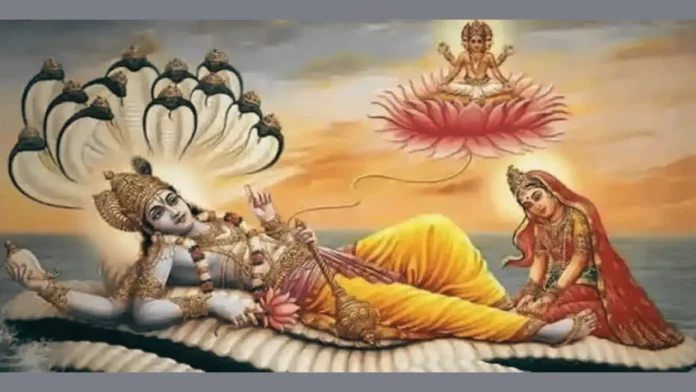
Ashadhi Ekadashi, also known as Devshayani Ekadashi, is one of the most sacred and widely celebrated Ekadashis in the Hindu calendar. Observed during the Shukla Paksha (waxing phase) of the Ashadha month, this auspicious day marks the beginning of Chaturmas, the four-month period during which Lord Vishnu is believed to enter Yoga Nidra (cosmic sleep) in the celestial ocean of Kshira Sagara.
The festival is celebrated with immense devotion across India, particularly in Maharashtra, where lakhs of devotees participate in the famous Pandharpur Wari pilgrimage to seek the blessings of Lord Vitthal, a revered form of Lord Vishnu.
Here’s everything you need to know about Ashadhi Ekadashi (Devshayani Ekadashi) 2026, including its date, significance, rituals, fasting rules, and spiritual importance.
Ashadhi Ekadashi 2026 Date
According to the Hindu Panchang, Ashadhi Ekadashi falls on:
- Date: Sunday, July 25, 2026
(Timings may vary depending on your location and the Panchang followed.)
What is Devshayani Ekadashi?
The word Devshayani literally means “the day when the gods go to sleep.”
Hindu scriptures believe that on this day:
- Lord Vishnu enters Yoga Nidra.
- Chaturmas begins.
- Auspicious ceremonies such as marriages and housewarming rituals are generally avoided during this period.
- Spiritual practices, fasting, charity, and devotion gain special significance.
Lord Vishnu is believed to awaken four months later on Prabodhini (Devutthana) Ekadashi, celebrated in the month of Kartik.
Why is Ashadhi Ekadashi Important?
Ashadhi Ekadashi is considered one of the holiest Ekadashis because it symbolizes:
- Spiritual awakening
- Self-discipline
- Detachment from material desires
- Beginning of Chaturmas
- Divine blessings of Lord Vishnu
According to Hindu beliefs, observing the fast with sincerity helps devotees attain peace, prosperity, good health, and spiritual progress.
The Story Behind Devshayani Ekadashi
Several Puranic texts mention the significance of Devshayani Ekadashi.
According to legend, Lord Vishnu enters a deep cosmic sleep on the serpent Sheshnag in the Ocean of Milk after protecting the universe. During these four months, Lord Shiva oversees the cosmic order.
Another popular belief states that King Mandata observed this Ekadashi fast after severe drought struck his kingdom. Pleased with his devotion, Lord Vishnu blessed the kingdom with abundant rainfall and prosperity.
These stories reinforce the belief that sincere devotion and fasting on this day remove obstacles and bring divine grace.
Pandharpur Wari: Maharashtra’s Grand Pilgrimage
One of the biggest highlights of Ashadhi Ekadashi is the Pandharpur Wari, an annual pilgrimage in Maharashtra.
Lakhs of devotees known as Warkaris walk hundreds of kilometres carrying the Palkhis (palanquins) of revered saints like:
- Sant Dnyaneshwar Maharaj
- Sant Tukaram Maharaj
The pilgrimage concludes at the Shri Vitthal-Rukmini Temple in Pandharpur, where devotees offer prayers to Lord Vitthal.
The Wari is regarded as one of India’s oldest and largest spiritual pilgrimages.
Puja Rituals on Ashadhi Ekadashi
Devotees observe the day with great devotion by following these rituals:
Wake Up Early
Take a holy bath before sunrise and wear clean or traditional clothes.
Worship Lord Vishnu
Offer:
- Tulsi leaves
- Yellow flowers
- Fruits
- Panchamrit
- Incense
- Ghee lamp
Recite:
- Vishnu Sahasranama
- Bhagavad Gita
- Om Namo Bhagavate Vasudevaya
- Om Namo Narayanaya
Observe Ekadashi Fast
Many devotees keep:
- Nirjala fast (without water)
- Water-only fast
- Fruit-only fast (Phalahar)
- Satvik fasting
The type of fast depends on one’s health and tradition.
Charity
Donating food, clothes, grains, and money to the needy is considered highly auspicious.
Night Vigil
Many devotees spend the night singing bhajans, chanting Vishnu mantras, and listening to devotional discourses.
Ekadashi Vrat Rules
While observing the fast, devotees generally avoid:
- Rice
- Wheat
- Lentils
- Onion
- Garlic
- Non-vegetarian food
- Alcohol
- Tobacco
Many devotees consume:
- Fruits
- Milk
- Dry fruits
- Sabudana
- Singhara flour
- Kuttu flour
The fast is broken the next day during Dwadashi after offering prayers.
Spiritual Benefits of Observing Ashadhi Ekadashi
Hindu scriptures mention several benefits of observing the fast sincerely:
- Removal of past sins
- Mental peace
- Spiritual purification
- Prosperity and happiness
- Protection from negative energies
- Divine blessings of Lord Vishnu
- Progress towards moksha (liberation)
Chaturmas Begins
Ashadhi Ekadashi marks the beginning of Chaturmas, a four-month spiritually significant period.
During Chaturmas:
- Saints remain in one place.
- Pilgrimages reduce.
- Devotees increase prayer and meditation.
- Many observe dietary restrictions.
- Religious discourses become more common.
Major festivals during Chaturmas include:
- Nag Panchami
- Raksha Bandhan
- Janmashtami
- Ganesh Chaturthi
- Navratri
The period concludes with Devutthana Ekadashi, when Lord Vishnu is believed to awaken.
Importance of Lord Vitthal
In Maharashtra, Lord Vishnu is worshipped as Vitthal (Vithoba), standing on a brick with his hands on his waist.
The Vitthal tradition emphasizes:
- Equality
- Devotion (Bhakti)
- Simplicity
- Community service
- Chanting the divine name
Saints such as Sant Tukaram, Sant Namdev, Sant Eknath, and Sant Dnyaneshwar played a pivotal role in spreading this devotional movement.
Ashadhi Ekadashi Celebrations Across India
Although Maharashtra hosts the largest celebrations, Ashadhi Ekadashi is also observed in:
- Karnataka
- Andhra Pradesh
- Telangana
- Gujarat
- Odisha
- Uttar Pradesh
- Madhya Pradesh
- Rajasthan
Temples dedicated to Lord Vishnu organize:
- Bhajans
- Kirtans
- Vishnu Sahasranama recitations
- Special aartis
- Annadanam (food distribution)
Key Takeaways
Ashadhi Ekadashi is more than just a fasting day—it is a celebration of devotion, humility, and spiritual discipline. The beginning of Chaturmas reminds devotees to focus on inner growth, prayer, and righteous living. Whether through fasting, chanting Lord Vishnu’s names, or participating in the Pandharpur Wari, millions of people observe this sacred occasion with faith and reverence, making it one of the most spiritually significant festivals in the Hindu calendar.

